
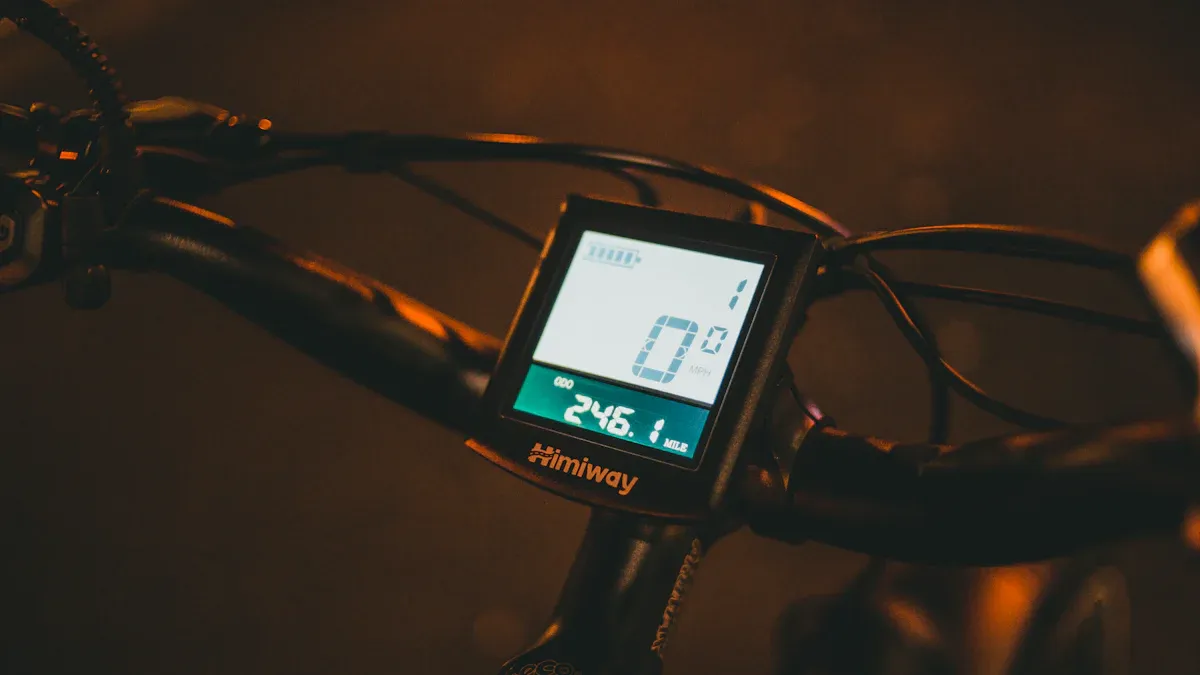
Problems with e-bike batteries often occur because batteries are sensitive to external influences. Improper storage, extreme temperatures, or wear and tear can impair performance. A quick solution is crucial to prevent greater damage. You can diagnose and fix many issues yourself. With a bit of knowledge and the right tools, you save time and money.
Tip: Regular maintenance and attention will significantly extend the lifespan of your battery.
Key Takeaways
Regular maintenance helps your e-bike battery last longer. Keep it clean and check the contacts often.
Calibrate your battery every few months. Charge it fully and then discharge it to improve the display accuracy.
Store the battery between 5 and 20 degrees Celsius. Temperatures that are too hot or cold damage it and shorten its lifespan.
Regularly check the charger and connections. Broken parts can interfere with charging and reduce performance.
For difficult problems, ask a professional for help. Incorrect repairs can be dangerous.
Common E-Bike Battery Problems
Charging Issues and Their Causes
Charging problems are among the most frequent challenges you may experience with e-bike batteries. Sometimes the battery charges slowly or not at all. The reasons for this are diverse:
Defective Chargers: Mechanical damage, overheating, or wear and tear can cause the charger to stop working.
Wear and Age of the Battery: After many charge cycles, battery performance deteriorates.
Connection Problems: Loose or corroded contacts often prevent the charging process.
Software Errors: Outdated firmware or bugs in the battery management system can also trigger charging issues.
A survey of over 5,000 e-bike owners shows that 41% of users have similar problems with their batteries. Charging issues are particularly common.
Reduced Battery Life
Reduced battery life can be frustrating, especially when you want to cover longer distances. This problem often occurs with older batteries as capacity decreases over time. Extreme temperatures, improper storage, or a high number of charge cycles can also shorten your battery's lifespan.
Tip: Only charge your battery to 80–90% and avoid deep discharges. This protects the cells and extends their lifespan.
Battery Overheating
Overheating is a serious issue that can not only impair your battery's performance but also create safety risks such as fire hazards. Especially during long rides or high strain, the battery temperature rises quickly. High temperatures accelerate the natural degradation of the cells and can damage sensitive internal components.
Overheating often occurs during intensive use or direct sunlight exposure.
Scientific studies show that overheating can permanently reduce the battery's capacity and performance.
Note: Store your battery in a cool, dry place and avoid using it in extreme temperatures.
Power Loss During Rides
A power loss during a ride can bring you to a sudden stop and is not only annoying but also dangerous. This problem often occurs when the e-bike battery is not functioning properly or the connection between the battery and the motor is interrupted.
Possible Causes:
Loose Cable Connections: If cables are not seated firmly, the power flow can be interrupted.
Corrosion on the Contacts: Moisture or dirt can damage the contacts and affect the power supply.
Battery Overload: Intensive use or a defective battery management system (BMS) can lead to a sudden failure.
Tip: Regularly check cable connections and clean the contacts to prevent corrosion.
What can you do?
Start with a visual inspection. Look for loose cables or visible damage to the battery. Use a multimeter to measure the voltage and ensure the battery is providing power. If you don't find any obvious issues, there might be a fault in the BMS. In this case, you should consider professional help.
Malfunctions Despite Full Charge
It can be frustrating when your e-bike battery shows as fully charged, but the e-bike won't start or the performance suddenly drops. This problem has several causes you should be aware of:
Faults in the Battery Management System (BMS): A faulty BMS can block power flow even if the battery is fully charged.
Surface Charge or Voltage Drop: After charging, the display can be deceptive, and the battery may not provide the necessary energy.
Damaged or Unbalanced Cells: Even with a full charge, defective cells can impair the battery's function.
How can you solve the problem?
Battery Calibration: Charge the battery fully and then discharge it to correct the measurement.
Cell Inspection: Use a diagnostic tool to identify damaged or unbalanced cells.
Software Update: Update your e-bike's firmware to fix potential BMS errors.
Note: If the malfunction persists, you should consult a technician to avoid irreparable damage.
Diagnostic Steps for E-Bike Batteries
Visual Inspection for Physical Damage
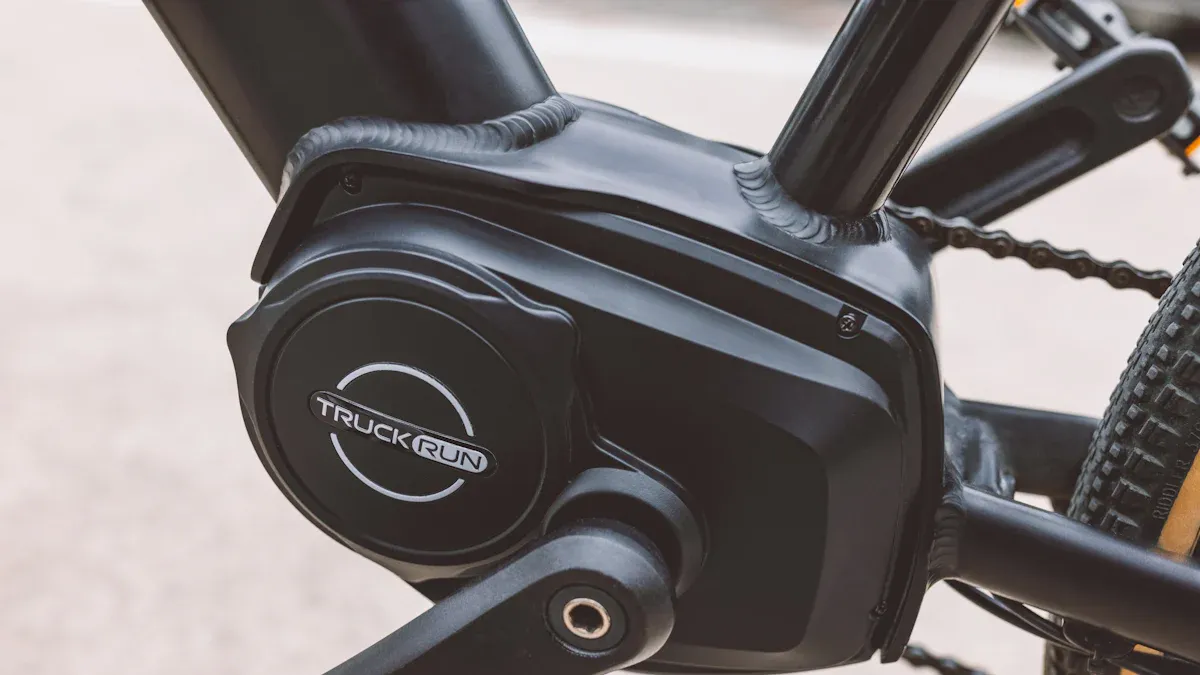
A thorough visual inspection is the first step in diagnosing e-bike battery problems. You can identify external damage such as cracks, dents, or deformations. This damage is often caused by drops or improper handling. Also, check for loose connections or signs of corrosion on the contacts. Corroded contacts can impede power flow and impair battery performance.
Tip: Gently clean the contacts with a dry cloth or a soft brush to remove dirt and corrosion.
A visual inspection often provides the first clues to potential problems. If you find obvious damage, do not continue to use the battery, as this poses safety risks.
Measuring Voltage with a Multimeter
A multimeter is an essential tool for checking your battery's voltage. With this method, you can determine if the battery is still delivering the correct voltage. Connect the multimeter to the positive and negative terminals of the battery and read the voltage. Compare the value with the manufacturer's specifications.
Normal Voltage: If the voltage is within the specified range, the battery is in good condition.
Deviations: A voltage that is too low indicates deep discharge, while a voltage that is too high may indicate a problem with the battery management system (BMS).
Note: If you are unsure how to use a multimeter, you will find helpful instructions in the user manual.
Voltage measurement helps you assess the condition of individual cells. This allows you to detect anomalies early and prevent major damage.
Using Diagnostic Tools or Apps
Modern diagnostic tools and apps offer a detailed analysis of your battery. Many e-bike manufacturers provide special software or mobile apps that allow you to check the state of your battery. These tools provide data on voltage, current, and capacity.
Benefits of Using Diagnostic Tools:
They enable a precise analysis of the battery.
You receive information about the state of charge and potential errors.
Some tools offer recommendations for optimizing battery performance.
Tip: Regularly update your e-bike's firmware to ensure diagnostic tools function correctly.
Combining visual inspection, voltage measurement, and diagnostic tools gives you a comprehensive picture of your battery's condition. This way, you can target issues and extend your battery's lifespan.
Checking the Charger and Connections
A faulty charger or damaged connections can be the cause of many battery issues. You should check these components regularly to ensure your e-bike battery works optimally. Chargers and connections play a decisive role in energy transfer. Even small defects can interfere with the charging process or even damage the battery.
How do you check the charger?
Visual Inspection: Look for visible damage such as cracks, bent pins, or burn marks. These signs indicate a defective charger.
Functional Test: Plug the charger into an outlet and check if the indicator light comes on. No reaction? Then the charger might be defective.
Measuring Output Voltage: Use a multimeter to measure the charger's voltage. Compare the value with the manufacturer's specifications. Deviations point to a problem.
What should you keep in mind regarding connections?
The connections between the battery and the charger are often prone to wear. You can take the following steps:
Cleaning Contacts: Remove dust and dirt with a soft cloth. You can carefully clean corroded contacts with an eraser.
Checking Connection Fit: Ensure all plugs are seated firmly. Loose connections can interrupt the power flow.
Checking for Corrosion: Moisture can attack metal contacts. Corroded connections impair charging efficiency and should be replaced.
Why is this check important?
Regular monitoring of the charger and connections has many benefits:
Correct calibration ensures more realistic communication between components.
Minimizing misinterpreted signals reduces the likelihood of error messages.
Tip: Always use the manufacturer's original charger. Imitation chargers can shorten your battery's lifespan or even be dangerous.
With these simple steps, you can ensure your charger and connections are in perfect condition. This way, you extend the life of your battery and avoid unnecessary repairs.
Solutions for Common Battery Problems
Cleaning Contacts and Connections
Dirt and corrosion on your battery contacts can significantly impair your e-bike's performance. Regularly cleaning the contacts and connections ensures optimal power transmission and prevents charging problems.
How to clean the contacts properly:
Turn off the battery: Safety first. Ensure the battery is completely turned off.
Use a soft cloth: Gently remove dust and dirt with a dry, lint-free cloth.
Clean corrosion: For corroded contacts, you can use an eraser or a special contact cleaning fluid.
Dry the contacts: Make sure the contacts are completely dry before reinserting the battery.
Tip: Avoid using water or aggressive cleaning agents, as these can damage the contacts.
A clean connection between the battery and e-bike guarantees reliable performance and extends your battery's lifespan.
Calibrating the Battery
Calibrating your battery is crucial for optimizing the charge level display. An inaccurate display can lead you to misjudge your battery's actual charge level. With a simple calibration, you can fix this problem.
Steps for calibration:
Discharge the battery completely until the system shuts down by itself.
Then, charge the battery back to 100%.
Repeat this process once or twice.
This method ensures that the charge level display correctly reflects the actual state of the battery.
Note: Calibrate your battery only occasionally, as frequent deep discharges can shorten the lifespan of the cells.
A well-calibrated display helps you make optimal use of your battery's capacity and avoid unexpected power outages.
Replacing Damaged Cells
Damaged or defective cells in an e-bike battery can significantly impair overall performance. If you find that your battery is not delivering the expected performance despite a full charge, damaged cells could be the cause.
How do you identify defective cells?
Irregular Voltage: Use a multimeter to measure the voltage of individual cells. Deviations indicate defective cells.
Overheating: If the battery becomes unusually hot during charging, damaged cells could be the cause.
Rapid Capacity Loss: A battery that discharges unusually quickly often points to defective cells.
What can you do?
Replacing individual cells requires technical knowledge and special tools. You should only carry out the repair if you have the necessary experience. Alternatively, you can hire a qualified technician to safely replace the defective cells.
Tip: Use only high-quality spare parts compatible with your battery. Substandard cells can compromise the safety and performance of your battery.
Timely replacement of damaged cells ensures your battery functions reliably again, allowing you to utilize the maximum range of your e-bike.
Updating E-Bike Software
Your e-bike's software plays a key role in performance and reliability. Outdated software can lead to issues such as charging errors, incorrect battery level readings, or even restricted motor performance. Regularly updating the software ensures your e-bike runs optimally and potential bugs are fixed.
Why is a software update important?
Bug Fixes: Manufacturers release updates to resolve known issues.
Improved Performance: New software versions optimize energy management and increase efficiency.
Compatibility: Updates ensure your e-bike battery remains compatible with new components or accessories.
Tip: Regularly check the manufacturer's website or the corresponding app to ensure you don't miss any updates.
How do you perform an update?
Establish a connection: Connect your e-bike to a computer or smartphone via Bluetooth or a USB cable.
Download software: Download the latest version from the manufacturer's official website.
Start the update: Follow the instructions in the app or software to install the update.
A software update usually only takes a few minutes. It is a simple way to extend the life of your battery and improve the overall performance of your e-bike.
When a professional repair is necessary
Sometimes DIY solutions are not enough to fix battery problems. In such cases, you should seek professional help. Improper repair can compromise the safety of your e-bike and lead to further damage.
When should you see an expert?
Irreparable damage: If the battery has visible cracks, dents, or other physical damage.
Complex faults: Problems with the battery management system (BMS) or defective cells that you cannot replace yourself.
Safety risks: Overheating or unusual odors during the charging process.
What does a professional repair involve?
Experience counts: Professionals have the knowledge and tools to solve complex problems.
Quality of parts: Workshops use high-quality replacement parts that ensure the reliability of your battery.
Specialized workshops: These offer an economical and safe repair of your battery.
Note: Look for certified workshops that specialize in e-bike batteries. This ensures that your battery is repaired professionally.
A professional repair is often the best choice to ensure the long-term safety and performance of your e-bike. It saves you time and protects you from further problems.
Preventing e-bike battery problems
Optimal battery storage
Proper storage of your battery is crucial to extend its service life. Especially in the cold season, you should remove the battery from the e-bike if you are not going to use it for a long period. Store it in a dry place without direct sunlight.
The ideal storage temperature is between 5 and 20 degrees Celsius.
Lithium-ion batteries are sensitive to extreme temperatures. Cold conditions slow down the electrochemical process, while heat can permanently damage the cells.
Keep the charge level between 30 and 70% to protect the cells.
Tip: In winter, it is recommended to keep the battery at room temperature. This keeps it in optimal condition.
Avoiding overcharging and deep discharge
An e-bike battery requires careful maintenance to avoid damage caused by overcharging or deep discharge. Modern batteries have a battery management system (BMS) that monitors the charging and discharging process.
Function |
Description |
|---|---|
Overcharge protection |
The BMS stops the charging process as soon as the battery is fully charged. |
Deep discharge protection |
The BMS prevents the battery from being discharged too deeply, which could damage the cells. |
Performance optimization |
The BMS ensures even charging and discharging to maximize performance. |
Service life extension |
The BMS monitors the charge level and temperature to increase the battery's lifespan. |
Note: Do not permanently charge your battery to 100% and avoid draining it completely. These measures protect the cells and extend their life.
Regular cleaning and maintenance
A clean and well-maintained battery works more reliably and lasts longer. Dust, dirt, and moisture can damage the contacts and affect performance.
Clean the contacts regularly with a dry, soft cloth.
Avoid the use of water or aggressive cleaning agents.
Check the connections for corrosion and remove it carefully with an eraser.
Tip: Schedule monthly maintenance to ensure that your battery and connections remain in perfect condition.
With these simple measures, you can extend the life of your battery and avoid problems. Careful maintenance pays off and ensures that your e-bike is always ready for use.
Use at suitable temperatures
Temperature has a major impact on the performance and lifespan of your e-bike battery. You can increase the efficiency of your battery if you use it at suitable temperatures. Extreme heat or cold damages the cells and shortens their lifespan.
Why is temperature important?
Lithium-ion batteries, which are used in most e-bikes, are sensitive to temperature changes. High temperatures lead to faster chemical aging of the cells. Cold, on the other hand, slows down the chemical processes and reduces capacity.
Tip: Ride your e-bike at temperatures between 10 and 25 degrees Celsius. This is the optimal range for most batteries.
What should you keep in mind?
Avoid direct sunlight: Do not leave your e-bike in the blazing sun. High temperatures can cause the battery to overheat.
Protect the battery from the cold: In winter, you should bring the battery indoors after riding. Cold temperatures can significantly reduce the range.
Temperature when charging: Only charge your battery at room temperature. This protects the cells and ensures even charging.
Practical tips for everyday use
Winter rides: Use a battery protective cover to insulate the battery from the cold.
Summer rides: Park your e-bike in the shade to avoid overheating.
Storage: Store the battery at temperatures between 5 and 20 degrees Celsius when you are not using it for a long period.
Note: A battery that is regularly exposed to extreme temperatures loses capacity faster. With the right care, you can significantly extend its service life.
By following these simple rules, your battery will remain powerful and safe. This way, you can optimally use your e-bike at any time of the year.
When professional help is necessary
Signs of irreparable damage
Some battery problems you can solve yourself, but there are clear signs that indicate irreparable damage. You should not ignore these.
Physical damage: Cracks, dents, or deformation of the battery casing are a warning sign. Such damage can affect the internal cells.
Severe overheating: If the battery gets unusually hot during charging or operation, this indicates a serious problem.
Unusual odors or smoke: A chemical smell or the development of smoke are clear signs of a dangerous defect.
Note: Do not continue to use a damaged battery. The risk of further damage or accidents is high.
If you notice any of these signs, you should seek professional help immediately.
Safety risks from defective batteries
A defective battery not only poses a performance problem, but also a significant safety risk. Lithium-ion batteries can become dangerous if handled incorrectly or damaged.
Fire hazard: Overheated or damaged batteries can catch fire.
Short circuits: Defective cells or corroded contacts can cause short circuits.
Explosion hazard: In rare cases, a severely damaged battery can explode.
Tip: Always store your battery in a safe place, away from flammable materials.
Safety risks can be minimized if you react early to warning signs and have the battery checked by an expert.
Choosing a qualified technician
Choosing the right technician is crucial to having your battery repaired safely and professionally. Not every provider has the necessary expertise.
Check certifications: Make sure that the technician or workshop is certified by a well-known manufacturer.
Experience counts: Choose an expert who specializes in e-bike batteries.
Read reviews: Customer reviews and recommendations give you an impression of the quality of the work.
Tip: Ask for a warranty on the repair. This protects you in case problems occur again.
A qualified technician ensures that your battery is repaired safely and that you can use your e-bike again without worry.
The most common problems with an e-bike battery can often be solved with simple measures such as cleaning, calibration, or software updates. Regular care and maintenance play a crucial role in extending the life of your battery and avoiding expensive repairs. You can handle many challenges yourself if you know the right steps. For more complex problems, however, you should not hesitate to consult an expert. With this knowledge, you are well-equipped to use your e-bike reliably and safely.
FAQ
How do you know if your battery is defective?
A defective battery often shows symptoms such as overheating, unusual noises, or a significantly reduced range. Visible damage such as cracks or dents are also a warning sign.
Tip: Regularly check the voltage with a multimeter to identify problems early.
Can you repair an e-bike battery yourself?
You can fix minor problems such as loose contacts or corroded connections yourself. For complex repairs such as replacing cells or BMS faults, you should see an expert.
⚠️ Note: Improper repairs can be dangerous.
How often should you calibrate your battery?
Calibration is only necessary occasionally, about every 3–6 months. Charge the battery fully and discharge it completely to optimize the display.
Tip: Avoid frequent deep discharges, as they shorten the lifespan of the cells.
What is the ideal temperature for using an e-bike battery?
The optimal temperature is between 10 and 25 degrees Celsius. Extreme heat or cold affect performance and lifespan.
🌡️ Note: Store your battery at room temperature when you are not using it.
Can a software update solve battery problems?
Yes, an update can fix charging errors, incorrect battery level displays, and other problems. It optimizes energy management and ensures compatibility.
Tip: Check the manufacturer's website regularly for new updates.