
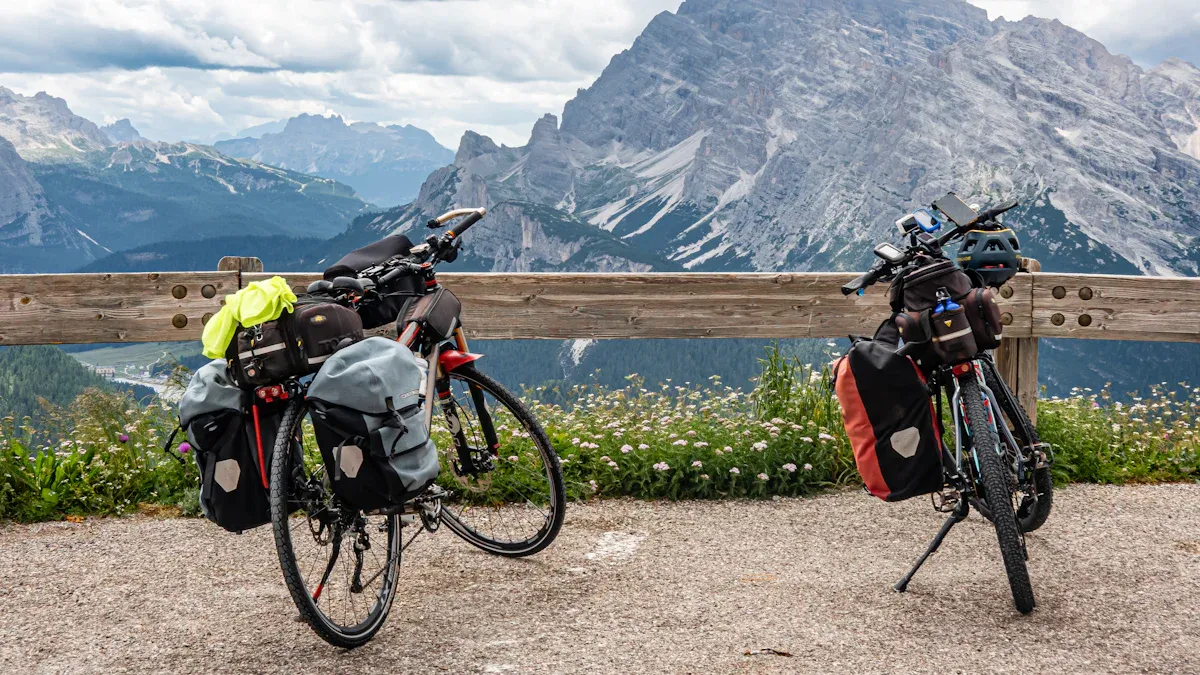
You are looking for a bike that will reliably accompany you through everyday life and adventures. The trekkingbike magazine helps you make the right choice. Here you will find information on current tests, ride reports, and industry trends. Trekking bikes offer you comfort on long distances and flexibility in city traffic. With the right tips, you will find the perfect model and maintain your bike optimally.
Key Findings
Trekking bikes offer comfort and flexibility for everyday life and adventure. They are ideal for long distances and unpaved paths.
When buying, pay attention to important features such as the frame, geometry, gears, and brakes. These factors influence handling and comfort.
Regular maintenance is crucial. Check the brakes, chain, and tires at least twice a year to ensure the safety and longevity of your bike.
E-trekking bikes are gaining popularity. They offer electric assistance, especially on long distances and inclines, and are ideal for commuters.
Inform yourself about current tests and reviews. This way, you will find the best trekking bike that meets your needs.
Trekkingbike Magazine: Tests & Ride Reports
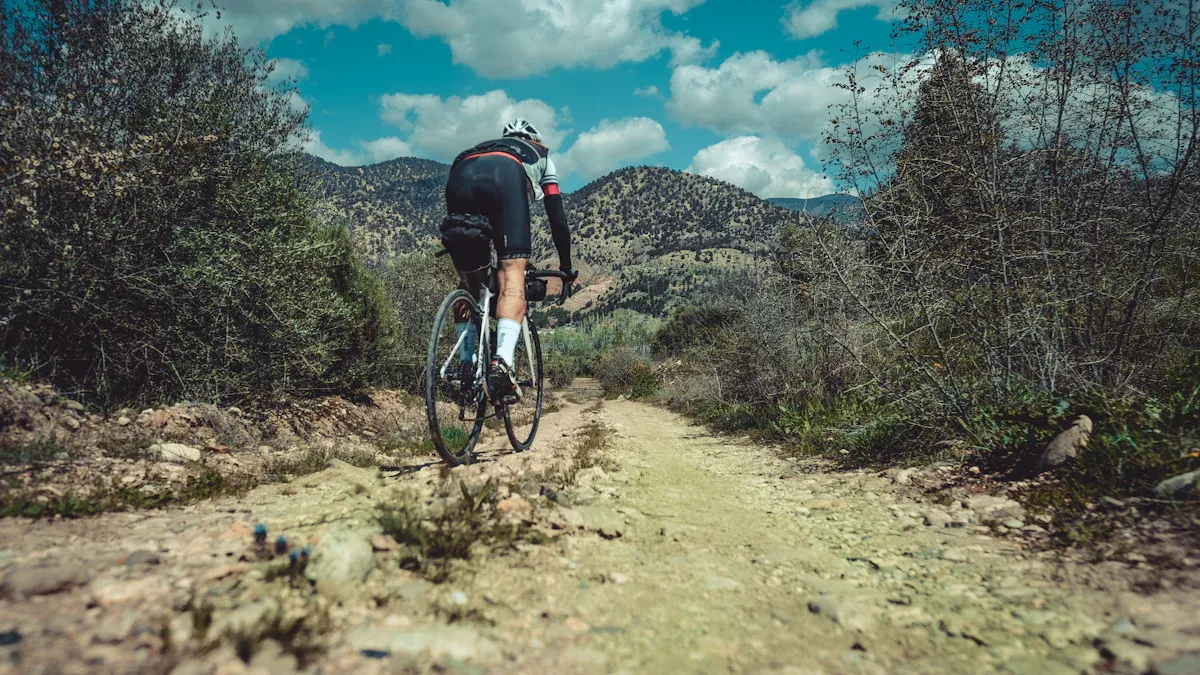
Magazine Overview
You want to know how to find the best trekking bike. The trekkingbike magazine helps you do just that. You receive new issues regularly. Each issue shows you the latest models of trekking, fitness, and city bikes. You can see which bikes are suitable for everyday use and tours. The trekkingbike magazine introduces you to various brands. You will find tips for both beginners and experienced cyclists.
Tip: Read the current issues so you don't miss any new releases.
The magazine offers you a clear overview. You can compare the most important features of the bikes. You will learn which models are particularly popular. This helps you make a better buying decision.
Test Methods and Ride Reports
You may wonder how tests in the trekkingbike magazine are conducted. The editorial team puts every bike through its paces. They test the bikes on various routes. You get reports on ride comfort, stability, and equipment. The testers pay attention to brakes, gears, and frame geometry.
The ride reports show you how the bikes behave in everyday life and on tours. You read whether a bike is suitable for long distances. The testers give you honest opinions. You can see which bikes have weaknesses and which ones impress.
-
The most important test criteria:
Ride comfort
Safety
Equipment
Value for money
With this information, you will find the right trekking bike. You can compare the results directly. The trekkingbike magazine supports you in your decision.
What is a trekking bike?
Features & Areas of Use
You want a bike that accompanies you everywhere. A trekking bike offers you exactly that. It combines sportiness and comfort. The construction is robust so that you can ride safely even on unpaved paths. Many trekking bikes have a sturdy luggage rack and mudguards. This allows you to transport bags or groceries without problems. The derailleur gears with many speeds help you conquer steep climbs.
Typical features of a trekking bike:
Robust construction for long-term durability
Luggage rack and mudguards for everyday use and tours
Derailleur gears with a wide range of speeds
Stable tires and often suspension for various surfaces
You can use a trekking bike for many purposes. It is suitable for cycling trips, the daily commute to work, or excursions into the countryside. You benefit from high comfort on long distances. The bike remains reliable even when you are transporting heavy bags. The gear system is durable and adapts to any terrain.
Tip: A trekking bike feels at home on asphalt, dirt roads, and even mountain tours. You can use it in the city and in the countryside.
Differences from other bike types
Many people wonder how a trekking bike differs from other bicycles. There are clear differences, especially when compared to a city bike. The following table shows you the most important features:
Category |
City Bike |
Trekking Bike |
|---|---|---|
Seating position |
Upright, good visibility |
Slightly leaned forward, sporty and comfortable |
Gears |
3–7 speed hub gears, suitable for daily use |
Many gears, wide ratio for climbs |
Brakes |
Disc brakes for stop-and-go |
Powerful brakes for loaded descents |
Tires |
Narrow (28–35 mm), for city traffic |
Wide (32–40 mm), for comfort and versatility |
Luggage rack |
Simple system for everyday use |
Multiple mounting points for longer tours |
Main difference |
Optimized for daily transport |
Designed for longer distances and more luggage |
As you can see, a trekking bike is versatile. It is suitable for longer tours, heavy loads, and various surfaces. In contrast, a city bike is primarily intended for short distances in the city. With a trekking bike, you are flexible and ready for many adventures.
Trekking Bike Buying Guide
Choosing the right trekking bike depends on many factors. You should pay attention to the frame, geometry, gears, brakes, comfort, and the value-for-money ratio. Trekking e-bikes are also becoming increasingly popular. Here you will learn what you should look for when buying.
Frame & Geometry
The frame is the heart of your trekking bike. Different materials influence the handling:
Frame material |
Properties |
Effect on handling |
|---|---|---|
Aluminum |
Light, stiff |
Sporty, good acceleration |
Steel |
Comfortable, durable |
Good for long distances, pleasant ride |
Titanium |
Good balance, durable |
Expensive, but comfortable for long rides |
Carbon |
Very light, very stiff |
Highest performance, less robust |
Aluminum and carbon are particularly suitable for sporty riders. Steel and titanium offer more comfort on long tours.
The geometry of the frame determines how comfortably you sit. A relaxed geometry with a higher head tube (stack) and shorter top tube (reach) ensures an upright posture. This is especially pleasant on long distances. Longer chainstays and a larger wheelbase make the bike stable, even when you have a lot of luggage.
Tip: Try out different frame shapes. This is how you will find the seating position that suits you.
Gears & Drivetrain
On trekking bikes, you usually find two gear systems: derailleur gears and hub gears.
-
Derailleur gears
Many gears, precise shifting
Light and inexpensive
Requires regular maintenance and cleaning
-
Hub gears
Fewer gears, but low-maintenance
Protected technology, long-lasting
Shifting possible even while stationary
Slightly heavier and more expensive
Hub gears are particularly practical in city traffic because you can shift while stationary. Due to their design, they are well protected from dirt and water. Derailleur gears offer you a wider range of gears, which is an advantage on hilly routes.
Brakes & Safety
Safe brakes are a must. Modern trekking bikes usually rely on hydraulic disc brakes. These offer you very good braking power and can be finely modulated, even in wet conditions. In current tests, models with hydraulic braking systems perform best. Manufacturers such as Magura, Tektro, and Shimano stand for high quality.
Safety features like lighting systems and reflectors increase your visibility in traffic. They are part of the standard equipment and are especially important in poor lighting conditions.
Front and rear lighting system
Reflectors on pedals and spokes
Bell and sturdy mudguards
Note: Ensure that your bike has all prescribed safety features.
Comfort & Equipment
Comfort plays a major role in trekking bikes. Many users appreciate good suspension, a comfortable saddle, and ergonomic grips. A suspension fork and a suspension seat post make riding on uneven paths more pleasant.
Suspension fork for more comfort on gravel and forest paths
Saddle suspension is easy on your back
Luggage rack for bags and baskets
Mudguards keep you clean in the rain
Trekking e-bikes offer you additional comfort through the electric motor. They are suitable for frequent riders and make even longer tours easier. Typical equipment features include lighting systems, mudguards, and a sturdy luggage rack. The slightly forward-leaning seating position ensures relaxed riding.
Value for money
Regarding value for money, it is worth looking at different brands. Many trade magazines rate models from Kalkhoff, Pegasus, KTM, and Cube as good. These brands offer solid quality in the price range of 700 to 1,600 euros. Cheaper models starting from 500 euros can also be sensible for beginners.
Brand |
Price range (Euro) |
Value for money |
|---|---|---|
Kalkhoff |
700 - 1,600 |
Good |
Pegasus |
700 - 1,600 |
Good |
KTM |
700 - 1,600 |
Good |
Cube |
700 - 1,600 |
Good |
Budget |
from 500 |
Reasonable |
The trekkingbike magazine recommends paying attention to balanced equipment. Do not skimp on safety-relevant parts such as brakes or lights. A good trekking bike will reliably accompany you for many years.
Trekking Bike Reviews
Top Models Compared
You want to know which trekking bikes are currently particularly impressive. Many manufacturers offer models with different strengths. The following table shows you some of the best trekking bikes from current comparison tests. You can see at a glance what special features each model offers:
Model |
Special features |
|---|---|
Canyon Pathlite:ON 8 SUV |
Versatile E-SUV with strong range |
Rose Mayor Plus 3 |
Comfort, automatic shifting, and high-quality components |
Scott Axis 10 |
Robust cruiser with high range, but little agility |
Velo de Ville SEB 990 Pro |
Individually configurable, technology, and light, but high price |
Winora Yakun X12 |
Low-step frame with many everyday features, but somewhat high weight |
Bulls Vuca EVO FSX 1 |
Full-suspension high-end bike with Pinion MGU |
All of these models offer you good to very good comfort. They are suitable for long distances and poor roads. You can rely on high-quality equipment. The differences often lie in the details: some bikes are lighter, others offer more technology or comfort.
If you pay attention to weight, equipment, and price, you will quickly find the right bike. Most trekking bikes weigh between 15 and 19 kilograms. Lighter models usually cost more. The equipment varies, especially with gears and brakes. You can get good trekking bikes from about 700 euros. High-quality models cost up to 1,600 euros.
Criterion |
Description |
|---|---|
Weight |
Most trekking bikes weigh between 15 and 19 kg. Lighter models under 15 kg are more expensive. |
Equipment |
Varies significantly, especially regarding gear systems (18–27 speeds) and brakes. |
Price |
Good trekking bikes cost between 700 and 1,600 euros, depending on the quality of the components. |
Tip: Think about what equipment you really need before purchasing. This will help you find the best value for money.
Test Winners & Recommendations
Many magazines and testing institutes crown the best trekking bikes every year. You can benefit from these results when deciding on a new bike. The trekkingbike magazine in particular regularly presents test winners and recommendations.
The most important criteria for a test win include:
Equipment
Value for money
Ergonomics
Comfort
Stability
Consideration of the intended use
A few models have stood out in recent years. Radon impressed with top-tier equipment and good handling. Stevens and Raleigh are considered all-rounders for touring. In 2023, Stiftung Warentest tested 20 trekking bikes, including women's and men's versions. All tested bikes offer solid equipment and good riding stability. The best women's bikes even perform better than some men's bikes.
Here you will find a selection of models that have received very good reviews:
Model |
Rating |
|---|---|
Radius EX |
Super |
Freetour TT+ |
Very good |
Horizon N9 |
Very good |
Nomade GT |
Very good |
Beryll Super Legere |
Very good |
Citystorm |
Very good |
Vico XT Wingee |
Very good |
Pura Vida 3.0 |
Very good |
Note: Pay attention to the test criteria when making your choice. A good trekking bike impresses not just in the lab, but in everyday life as well.
User Experiences
You benefit not only from test reports, but also from the experiences of other cyclists. Many users report that suspension forks on trekking bikes are often perceived as too heavy and maintenance-intensive, especially if you ride mainly on asphalt. Many recommend opting for disc brakes. These are easier to maintain and are gentler on the rims. Wider tires offer you better cushioning than many suspension forks.
Commuters praise the reliability and robust equipment of trekking bikes. Brands like Cube offer you top-tier basic equipment that ensures comfort and safety. Trekking bikes are built for all-round use. They are durable and will reliably accompany you in your daily life.
Evaluation criterion |
Description |
|---|---|
Longevity |
Trekking bikes are designed for all-round use and offer robust, long-lasting equipment. |
Reliability |
Commuters appreciate the reliability and the good basic equipment of trekking bikes. |
Equipment |
Brands like Cube offer top-tier basic equipment that ensures comfort and safety. |
Tip: Read forums and review portals to see how other users experience their trekking bikes in daily life. This way, you get honest insights and find the model that suits you.
Trekking Bike Industry Trends
Innovations & Technologies
You are witnessing exciting developments in trekking bikes. Manufacturers are focusing on new technologies that make cycling easier for you. Automatic gear shifting can now be found in many models. They work with fully integrated motors, hub gears, or derailleur gears. You no longer have to shift yourself; the bike takes on this task for you. The "Trekking-Light" category is growing. These bikes have less motor power and smaller batteries. You benefit from high performance and low weight. Many brands are adapting their models to the needs of commuters and tourers. You get bikes that are light, fast, and comfortable.
Trekking-Light: less motor power, smaller batteries, high performance
Models for commuters and tourers
Tip: Test different gear systems to find out which one best fits your riding style.
Sustainability
Sustainability is playing an increasingly important role for you. Manufacturers are careful to use environmentally friendly materials. They are improving production so that fewer resources are consumed. Interest in sustainable bicycles is growing in large cities. Many people are adding a trekking bike to their household because they want to live in an environmentally conscious way.
Aspect |
Description |
|---|---|
The importance of sustainability is described as increasingly relevant. |
|
Influence on consumer behavior |
Sustainability is driving the trend in large cities, where many consumers are adding a bicycle to their household. |
You can make a contribution to environmental protection with your bike. When buying, look for sustainable production and long-lasting components.
E-bikes on the rise
You see more and more e-bikes on the roads. The market share of e-trekking bikes is growing strongly. E-bikes now make up 31.5% of the total market. Conventional mountain bikes are losing importance. E-trekking bikes have reached a share of 26%. You benefit from electric support, especially on long distances and on inclines.
Bicycle type |
Market share (%) |
|---|---|
E-trekking bikes |
26 |
Conventional MTBs |
5 |
The market share of e-bikes continues to rise.
E-trekking bikes are particularly popular among commuters and tourers.
Conventional mountain bikes are being bought less.
The trekkingbike magazine regularly informs you about new trends and innovations. You stay up to date and find the right bike for your needs.
Care & Maintenance
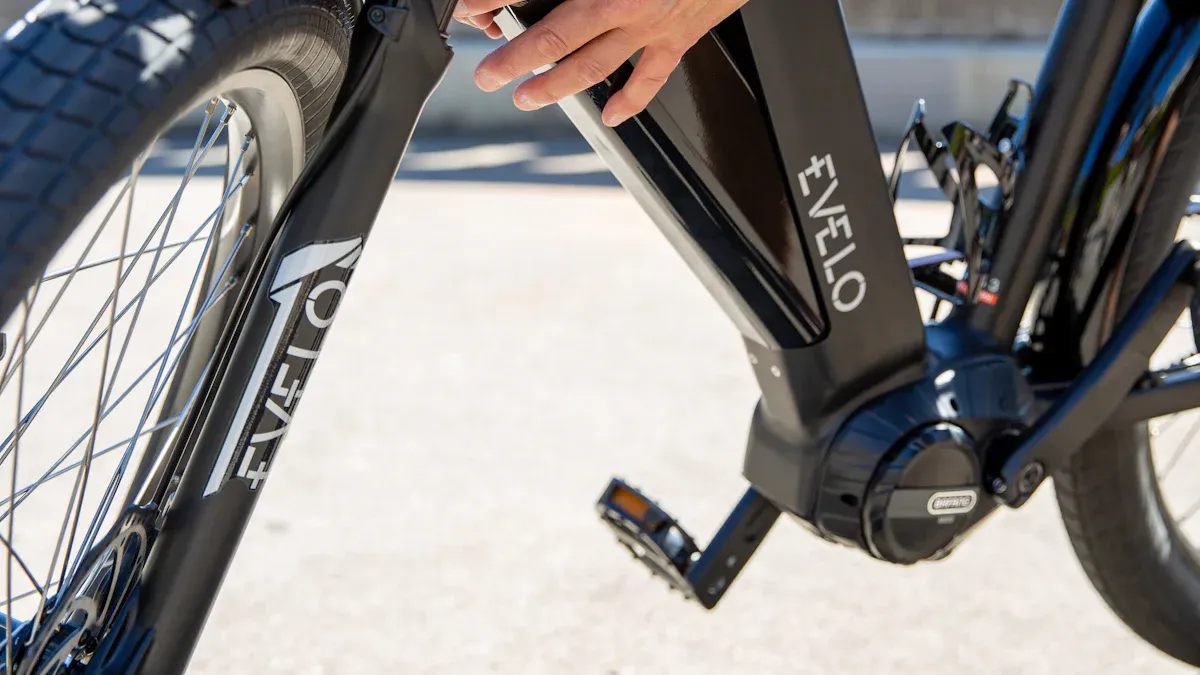
Maintenance tips
You want your trekking bike to last a long time and always ride reliably. You can achieve this with regular care. Experts recommend checking your bike thoroughly at least twice a year. Trekking bikes often experience long tours and many kilometers. Therefore, you will recognize wear early if you check it regularly.
Check the brakes for function and wear.
Check the chain and oil it regularly.
Check the gear system for smooth operation.
Check that the tires have enough air and show no cracks.
Tighten all bolts, especially on the handlebars and luggage carrier.
Tip: A spring and an autumn check will help you keep your bike fit for every season.
Common problems
Some problems occur more frequently with trekking bikes. You can identify and fix many of them yourself. Here you will find an overview:
Problem |
Cause |
Solution |
|---|---|---|
Poor shifting |
Dirt, lack of lubrication |
Clean and oil the chain |
Squeaky brakes |
Dirty brake pads |
Clean or replace brake pads |
Flat tire |
Foreign object, low air pressure |
Change the tube, check air pressure |
Wobbly handlebars |
Loose bolts |
Tighten the bolts |
If you are unsure, visit a specialized workshop. However, you can quickly learn to perform many small repairs yourself.
Accessories
You can make your trekking bike even better with the right accessories. You increase comfort and safety. Here are some useful additions:
Sturdy luggage carriers for bags and baskets
High-quality lighting for good visibility in the dark
Mudguards against dirt and water
Ergonomic grips and a comfortable saddle
Bicycle lock for theft protection
Note: Choose accessories that suit your rides. This way, you enjoy every tour and are always safe on the road.
You now have an overview of the most important points regarding trekking bikes. When choosing, pay attention to comfort, safety, and equipment. Maintain your bike regularly so that it lasts a long time. The trekkingbike magazine recommends:
Use special cleaning and care products for your bike.
Check your bicycle regularly at the dealer.
Keep your trekking bike clean to avoid damage.
Stay open to new trends and innovations. This way, you enjoy every ride and benefit from modern technology.
FAQ
How often should you maintain your trekking bike?
You should thoroughly maintain your trekking bike at least twice a year. Check the brakes, the chain, and the tires regularly. This way, your bike remains safe and rides reliably.
What distinguishes a trekking bike from a city bike?
A trekking bike is suitable for longer distances and tours. It has more gears, a sturdier frame, and often a better luggage carrier. You can also ride it on unpaved paths.
Can you use a trekking bike for everyday life?
Yes, you can use a trekking bike every day. It is suitable for the commute to school, work, or for shopping. With mudguards and lights, you are safe on the road in any weather.
What should you look for when buying a trekking e-bike?
Pay attention to the battery range, weight, and motor power. Test the bike before purchasing. Consider how far you want to ride and what routes you are planning.
Which accessories are useful for trekking bikes?
Tip: A good lock, bright lighting, and a comfortable saddle make every ride more pleasant. You can also use panniers, mudguards, and a bicycle computer.