
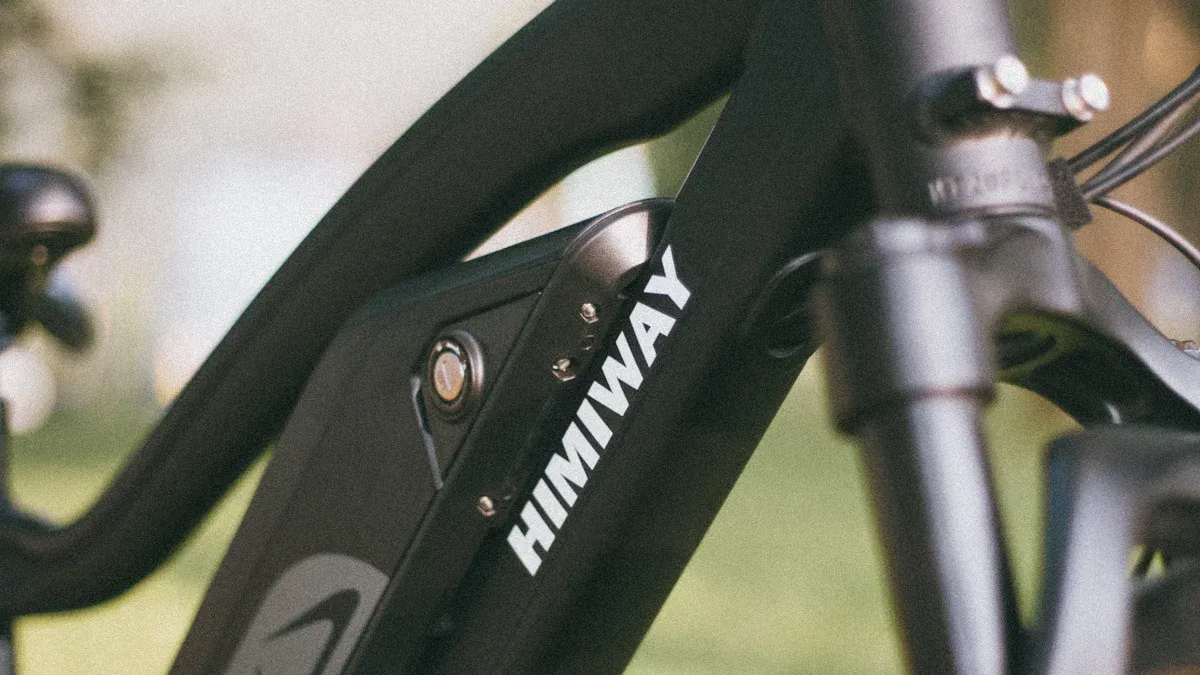
Taking care of your e-bike battery is essential to maximize its lifespan. A well-maintained e-bike battery can achieve up to 1,000 charge cycles, which equates to a service life of about 5 years. Improper care, on the other hand, often reduces its lifespan to less than 2 years. Factors such as temperature, charging habits, and storage play a key role. With optimal care, lithium-ion batteries, which are used in most e-bikes, can even last more than 10 years. Following the right practices ensures sustainable use and saves you money in the long run.
Key Takeaways
Store the battery in a cool, dry place. This protects it and helps it last longer.
Always charge the battery to between 20% and 80%. This helps keep it safe and prevents damage.
Only use the charger that came with it. It charges the battery properly and without problems.
Clean the battery often to prevent dirt and rust from building up. This helps it work better and last longer.
Ride carefully. Gentle acceleration and braking conserve battery power and help you go farther.
Battery Care Basics
How an E-Bike Battery Works and How It Is Built
An e-bike battery is based on a lithium-ion battery made up of multiple cells. These cells are combined into what is known as a battery pack. Their high energy density and low self-discharge make lithium-ion cells ideal for e-bikes.
The key technical specifications of a battery include:
Volts (V): The nominal voltage is usually 36V, 48V, or 52V.
Amp-hours (Ah): These indicate how much charge the battery can store, e.g., 10 Ah.
Watt-hours (Wh): These are calculated from the voltage and capacity, e.g., 360 Wh at 36V and 10 Ah.
BMS (Battery Management System): This system monitors the battery and ensures safety and efficiency.
A well-functioning battery is the heart of your e-bike. Its performance depends on the quality of its cells and how well it is cared for.
Impact of Charge Cycles and Deep Discharges
The number of charge cycles directly affects the battery's lifespan. One charge cycle is equivalent to a full charge. The more charge cycles a battery goes through, the faster its capacity declines. Deep discharges, in which the battery is completely drained, can permanently damage the cells.
To extend the battery's lifespan, charge it regularly and avoid deep discharges. Ideally, keep the charge level between 20% and 80%. This helps preserve capacity for longer.
The Role of Temperature and Storage Conditions
Temperature and storage conditions play a key role in the battery's efficiency and lifespan. High temperatures accelerate wear, while extremely low temperatures temporarily reduce performance.
Store your battery in a cool, dry place. Avoid direct sunlight and high humidity. These measures protect the sensitive cells and help the battery last longer.
Proper Charging Habits
Avoiding Deep Discharge and Overcharging
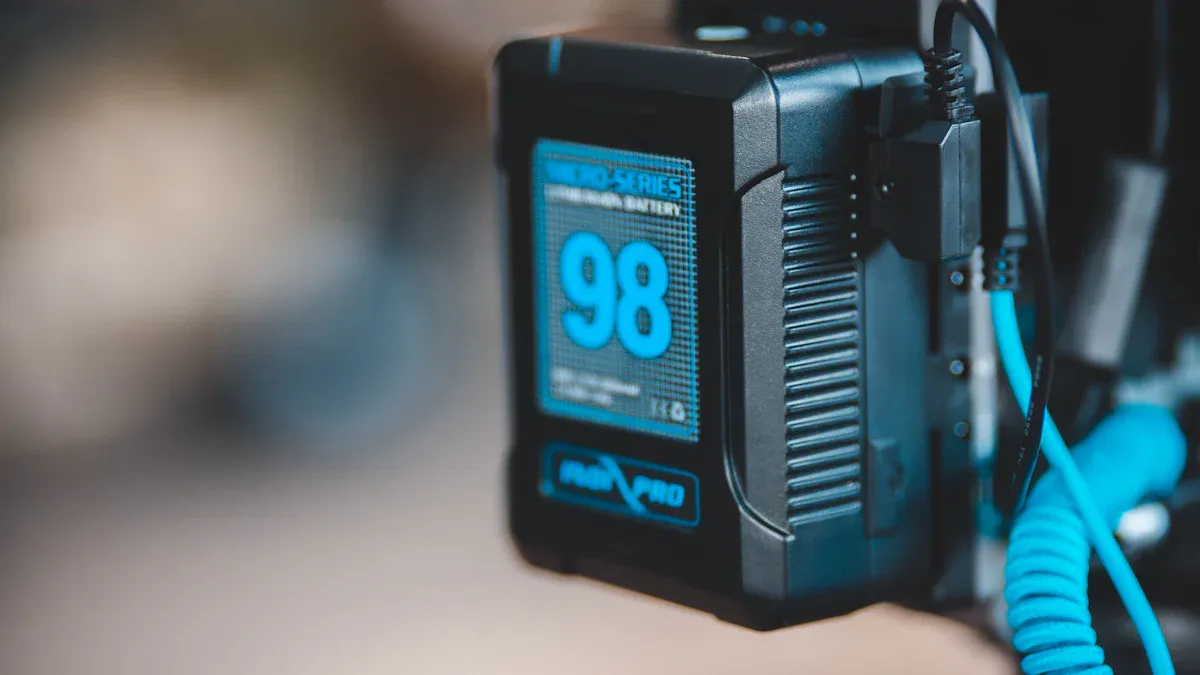
Proper battery care starts with avoiding deep discharge and overcharging. Deep discharge occurs when the battery is completely drained. This can permanently damage the sensitive cells and significantly reduce capacity. So recharge your battery in good time, before its charge level drops below 20%.
Overcharging, on the other hand, occurs when the battery remains connected to the charger after it is fully charged. Although modern lithium-ion batteries have a built-in battery management system (BMS) that prevents overcharging, it is still advisable to unplug the battery once it is fully charged. This protects the cells and extends the lifespan of your e-bike battery.
Tip: Ideally, charge your battery to between 20% and 80%. This practice reduces wear and helps extend its service life.
Using the Original Charger
Your e-bike's original charger is specifically designed to meet the battery's technical requirements. It ensures safe and efficient charging without overloading the cells. Using uncertified or low-quality chargers, on the other hand, can lead to overheating, uneven charging, or even battery damage.
Make sure the charger is in good working order. Damaged cables or plugs can affect charging quality and pose a safety risk. If you need a replacement charger, always choose a model recommended by your e-bike's manufacturer.
Note: Third-party chargers may seem cheaper, but they can cause costly damage in the long run. Invest in quality to protect your battery's lifespan.
Partial Charges and Optimal Charge Levels
Partial charging is an effective way to maximize your battery's lifespan. Unlike older battery types, modern lithium-ion batteries do not need full charge and discharge cycles. Instead, they benefit from regular partial charges, which keep the cells active and preserve capacity.
Scientific studies show that lithium-ion batteries can go through about 500 to 1,000 full charge cycles before their capacity noticeably declines. Partial charging can increase the number of effective charge cycles and preserve your e-bike's performance over the long term.
Remember: Avoid fully discharging the battery or constantly charging it to 100%. A charge level between 40% and 70% is ideal for everyday use.
Optimal Storage
Ideal Temperature Ranges for Storage
The right temperature plays a key role in storing your battery. Temperatures that are too high or too low can negatively affect your e-bike battery's lifespan and performance. Experts recommend storing the battery at a temperature between 15 and 25 degrees Celsius. The following table provides an overview of the ideal temperature ranges:
Source |
Ideal Temperature |
|---|---|
Akkuman |
|
Radfahren |
Room temperature |
Akkushop |
15 to 20 degrees Celsius |
Store the battery in a room with a stable temperature whenever possible. Avoid extreme fluctuations, as these can put stress on the sensitive cells. A cool, dry place is ideal for minimizing self-discharge and preserving capacity over the long term.
Protection from Moisture and Direct Sunlight
Moisture and direct sunlight are two of your battery's biggest enemies. High temperatures cause electrons to move uncontrollably, which depletes capacity more quickly. Temperature fluctuations can also create moisture, which can damage the cells or electronics.
A look at the effects of different temperature ranges illustrates this:
Temperature Range |
Battery Performance |
Effect on Performance |
|---|---|---|
Optimal |
Higher temperatures lead to faster discharge. |
|
Below 0°C |
Reduced |
Does not damage the battery, but reduces performance. |
Above 25°C |
Suboptimal |
Avoid direct sunlight and heat sources. |
To protect your battery, never store it in direct sunlight or in damp conditions. Use a protective cover or a special battery box to keep it safe from moisture and dust. Make sure the storage area is well ventilated to prevent condensation.
Preparing Your E-Bike Battery for Extended Periods of Inactivity
If you do not use your e-bike for an extended period, it is essential to prepare the battery carefully. Deep discharge during storage can permanently damage the cells. Therefore, check the charge level regularly, ideally every three months.
For optimal storage, it is best to charge the battery to about 30–50%. This charge level minimizes self-discharge and protects the cells from excessive strain. Store the battery in a cool place at a temperature between 10 and 20 degrees Celsius.
In summary, here are the most important preparation steps:
Charge the battery to 30–50% before storing it.
Check the charge level every three months.
Choose a cool, dry place for storage.
Following these steps will ensure your battery is ready to use even after an extended period of inactivity and that its lifespan is not compromised.
Care and Cleaning
Cleaning the Battery: Tips and Precautions
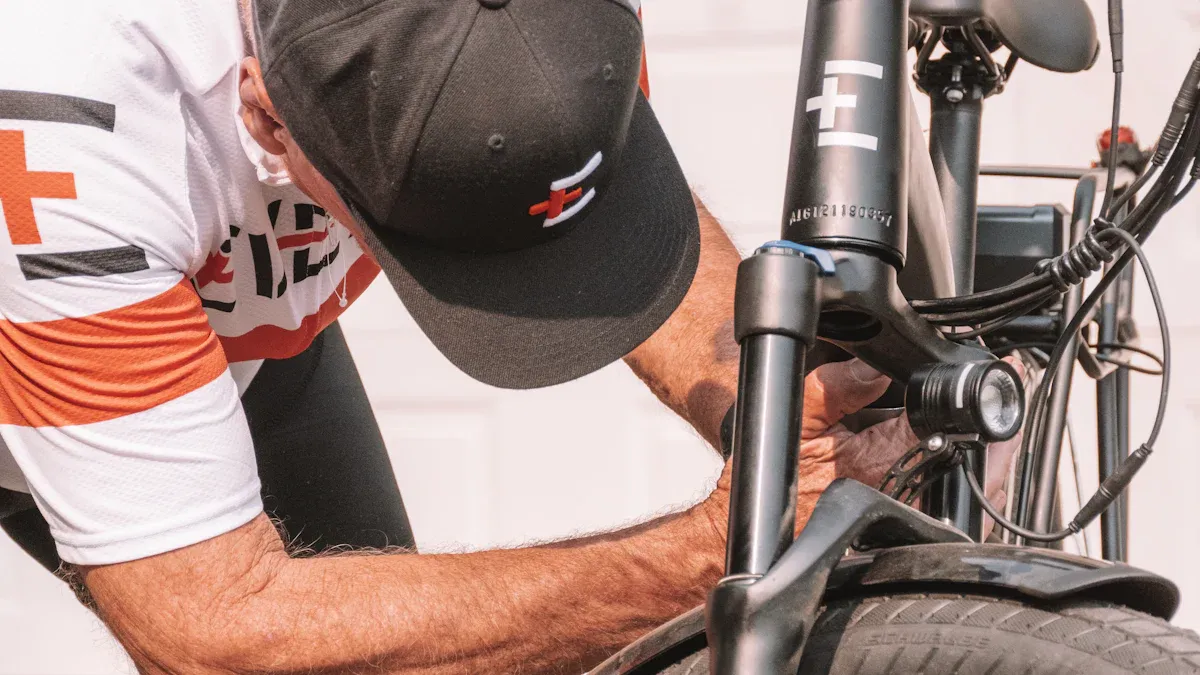
Regular battery cleaning is essential for your e-bike's performance and lifespan. Dust and dirt can affect the electrical contacts and reduce the battery's efficiency. Use a soft, slightly damp cloth to clean the battery's surface. Make sure no moisture enters the connections or housing.
Avoid harsh cleaning agents, as they can damage the battery's protective coating. A mild cleaner is enough to remove stubborn dirt. Dry the battery thoroughly after cleaning to prevent corrosion.
Tip: Clean the battery at least once a month, especially after riding in bad weather. This will keep your e-bike in optimal condition.
Regular Checks for Damage and Wear
Regularly checking the battery helps you spot damage early and avoid bigger problems. Check the connections for corrosion and the surface for cracks or other visible damage. Minor defects can quickly get worse and affect the battery's functionality.
Also watch for changes in performance. If the battery drains more quickly or gets unusually hot, this could indicate cell wear. In such cases, have the battery inspected by a professional.
Note: Regular checks and maintenance significantly extend the battery's lifespan and optimize your e-bike's performance.
Dealing with Corrosion and Dirt
Corrosion and dirt are common problems that can shorten your battery's lifespan. Corrosion is often caused by moisture entering the connections. To prevent this, keep the contacts clean and dry. If necessary, use a special contact protectant to safeguard the connections.
Dirt that builds up on the battery's surface can interfere with heat dissipation. This leads to overheating and faster cell wear. Clean the battery regularly to prevent these problems.
Riding Style and Usage
Adjusting Your Riding Style to Preserve the Battery
Your riding style directly affects the battery's lifespan. Gentle acceleration and braking help preserve the cells and prevent unnecessary energy use. Sudden acceleration or abrupt braking puts more strain on the battery and shortens its lifespan.
The table shows recommended riding strategies:
Adjustment Strategy |
Description |
|---|---|
Gentle acceleration and braking |
This riding style helps preserve the battery and extends its lifespan. |
Lower assist level |
Using a lower assist level can maximize battery life. |
Tip: Ride proactively and avoid unnecessary stops. This saves energy and extends your e-bike's range.
Avoiding Excessive Strain from High Power Demands
High power demands can put significant strain on your e-bike's battery. When climbing steep hills or carrying heavy loads, the battery has to work harder. This leads to faster discharge and increased wear.
Using the lowest assist level is an effective strategy for reducing the strain. According to a study by Bosch eBike Systems, this can increase battery range by up to 20%.
Assist Level |
Result |
|---|---|
Extends battery life while providing assistance as you ride. |
Note: Plan your rides to avoid extreme power demands. Use the assistance modes strategically to reduce the strain on the battery.
Efficient Use of E-Bike Assistance Modes
Choosing the right assistance mode is crucial for battery life. The pedal-assist mode is ideal because it does not put excessive strain on the battery. In contrast, using the purely electric mode can significantly shorten battery life.
An overview of the riding modes and their effect on battery life:
Riding mode |
Effect on battery life |
|---|---|
Pedal-assist mode |
Frequent use is easy on the battery and prevents excessive power consumption. |
Bicycle mode |
Causes the battery to idle, which can affect its lifespan. |
Purely electric mode |
Continuous use can lead to significant battery drain and damage the battery's health. |
Remember: Use pedal-assist mode for longer rides. This mode offers a good balance between assistance and conserving the battery.
The lifespan of your e-bike battery depends directly on how you care for and use it. With the right measures, you can prevent damage and maintain battery efficiency over the long term. Proper care offers lasting benefits:
Store the battery in a cool, dry place to extend its lifespan.
Charge the battery regularly, even when it is not in use, to prevent deep discharge.
Use the correct charging technique, such as avoiding overcharging, to ensure optimal performance.
Maintenance and cleaning increase range and preserve battery capacity.
Regular care is key to sustainable use and will save you money in the long run.
FAQ
How often should I charge my e-bike battery?
Charge the battery regularly, even if it is not fully discharged. Ideally, keep the charge level between 20% and 80%. This practice extends its lifespan and preserves its capacity.
Can I store my e-bike outside in winter?
This is not recommended. Cold temperatures can affect battery performance. Store your e-bike in a dry, cool place at a temperature between 10 and 20 degrees Celsius.
What should I do if the battery is damaged?
Contact a specialist dealer or the manufacturer immediately. Do not continue using the battery, as damaged batteries can pose a safety risk. Professionals can assess its condition and carry out repairs.
How can I tell if my battery needs replacing?
A battery that drains quickly or no longer provides the range you are used to may be worn out. Visible damage or unusual heat generation are also signs. Have the battery checked by an expert.
Can I charge the battery while riding?
No, this is not possible. Only charge the battery using the original charger connected to a safe power source. However, you can take spare batteries with you on the road to increase your range.