
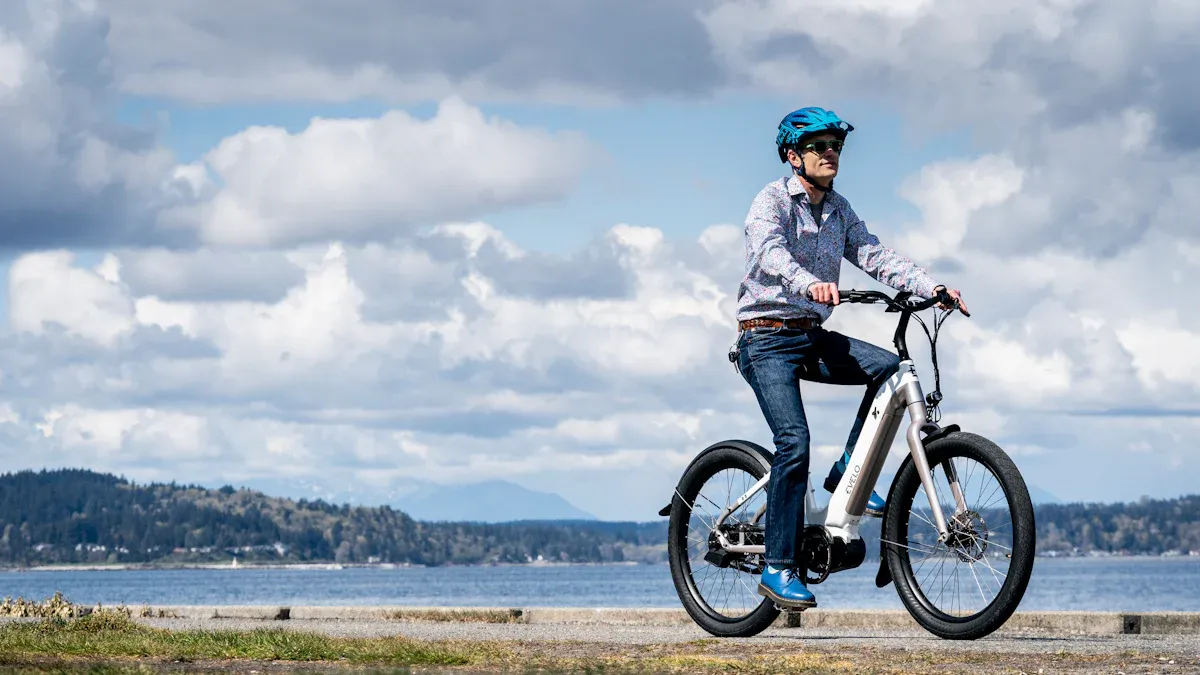
A lightweight e bike significantly improves your riding experience. It is easier to lift and move, making everyday life easier. Lighter models offer more agile handling and a more dynamic riding experience. Every kilogram saved makes a noticeable difference and ensures more efficiency and comfort on every ride.
Key Takeaways
A lightweight e-bike is easier to ride. It requires less energy and therefore travels further.
The frame material is important. Carbon is lighter and stronger than aluminum, but more expensive.
The motor determines how the e-bike rides. Choose a motor that suits your riding style.
Why Weight Matters in a Lightweight E-Bike
The Impact of Weight on Handling and Efficiency
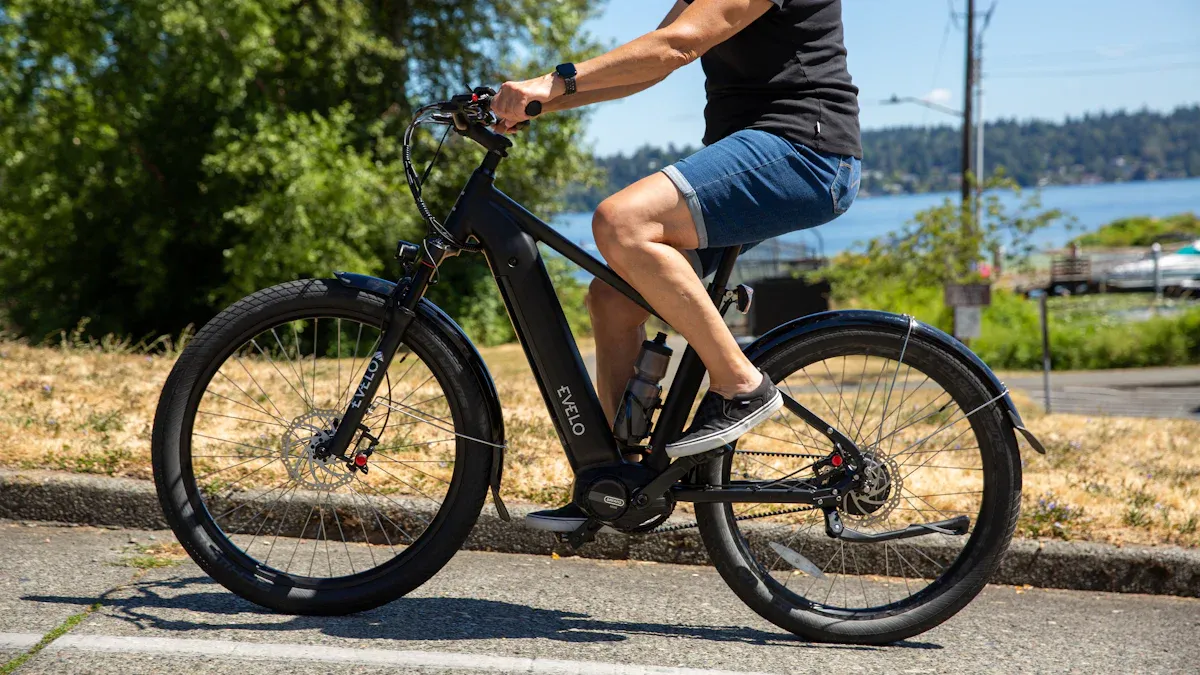
The weight of an e-bike directly affects how you can handle it. Lighter models are more agile and responsive. You will notice that they are easier to steer, especially in tight corners or in city traffic. At the same time, heavier e-bikes offer more stability, but at the expense of maneuverability.
Weight also has an impact on energy efficiency. A lighter e-bike requires less energy to keep moving, which increases its range. The following table shows how weight and energy efficiency are related:
Factor |
Description |
|---|---|
Weight |
A major factor for energy-efficient transportation. |
Energy efficiency |
Lighter vehicles such as e-bikes could potentially be more efficient. |
When you choose a lightweight e bike, you benefit from a better balance between handling and efficiency. This is especially noticeable on longer rides or in hilly terrain.
Materials for Lightweight E-Bikes: Aluminum vs. Carbon
The choice of material plays a crucial role in the weight of your e-bike. Aluminum and carbon are the two most common materials for lightweight models. Carbon is lighter than aluminum and also offers greater stability. It also has better fatigue strength and does not corrode, making it particularly durable.
Here are some key differences between aluminum and carbon:
Carbon is lighter and stronger than aluminum.
Carbon mountain bikes weigh significantly less than those with aluminum frames.
Carbon offers better resistance to material fatigue.
If you are looking for a lightweight e bike that is both robust and durable, a carbon frame could be the right choice for you. However, aluminum is often cheaper and also offers solid performance.
Advantages of a Lightweight E-Bike in Everyday Life
A lightweight e-bike makes everyday life easier in many ways. It is easier to carry, whether into your apartment, onto a train, or up stairs. The lower weight also makes it easier to attach the e-bike to a bike rack.
You will also feel the benefits when riding. A lightweight model accelerates faster and is easier to control. This makes a big difference, especially in dynamic situations such as city traffic or sudden obstacles.
In addition, you save energy because the motor has to work less to move the weight. This means you can travel further on a single battery charge. So, a lightweight e bike is not only more comfortable but also more efficient and practical for everyday use.
Performance and Motor Choice for Lightweight E-Bikes
How Motor Power Affects Riding Behavior
Motor power determines how dynamic and powerful your e-bike rides. A powerful motor ensures quick acceleration and makes riding in hilly terrain easier. At the same time, torque determines how well the motor responds to your pedaling. Higher torque means you need to exert less force to move forward.
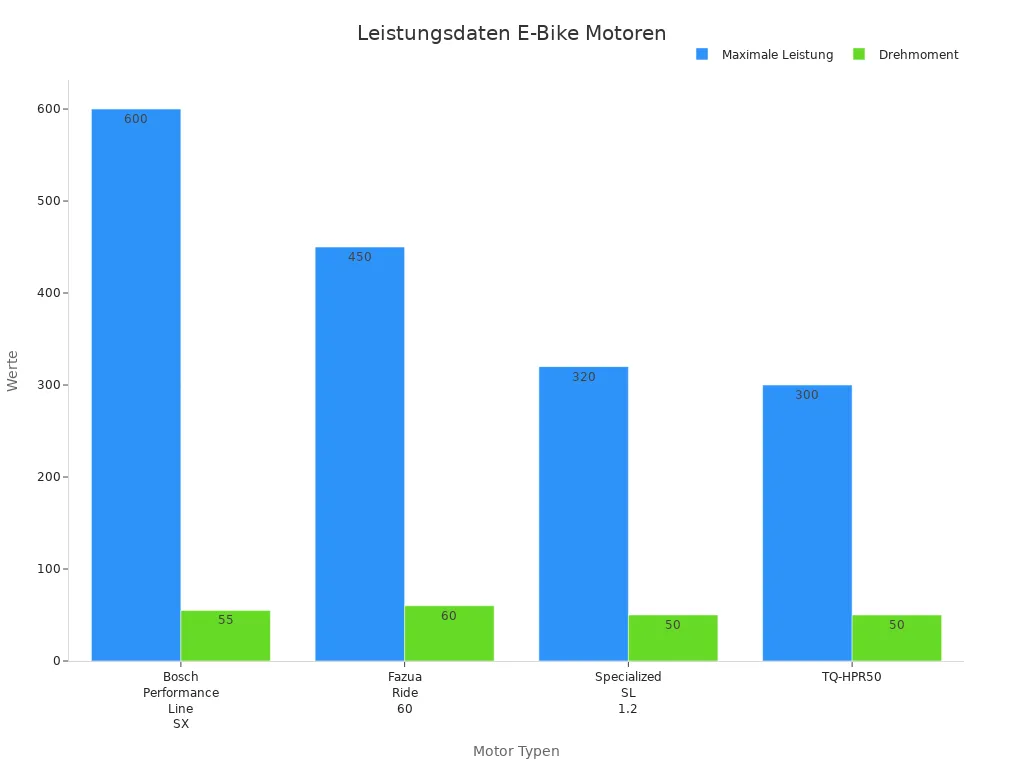
The following table shows the performance data of some popular motors for lightweight e-bikes:
Motor |
Maximum power (Watts) |
Torque (Nm) |
|---|---|---|
Bosch Performance Line SX |
600 |
55 |
Fazua Ride 60 |
450 |
60 |
Specialized SL 1.2 |
320 |
50 |
TQ-HPR50 |
300 |
50 |
A motor like the Bosch Performance Line SX offers high power and good torque, making it ideal for sporty riders. For city traffic, a lighter motor such as the TQ-HPR50 may be sufficient.
Balance Between Motor Power and Energy Consumption
High motor power can reduce the range of your e-bike because the battery will discharge faster. You should therefore find the right balance between power and energy consumption. If you mainly ride in the city, a motor with moderate power is sufficient. For longer tours or mountainous terrain, a more powerful motor makes sense.
Tip: Choose a lightweight e bike with an efficient motor that meets your requirements without unnecessarily straining the battery.
Motor Types for Lightweight E-Bikes: Pros and Cons
There are various motor types suitable for lightweight e-bikes. The three main types are mid-drive motors, hub motors, and crank-mounted motors.
Mid-drive motors: They offer balanced weight distribution and a natural riding experience. However, they are often more expensive.
Hub motors: These motors are lighter and cheaper, but they can make the riding experience less dynamic.
Crank-mounted motors: They are compact and lightweight, but less powerful than mid-drive motors.
The choice of the right motor depends on your riding style and needs. Consider whether you place more value on power, weight, or efficiency.
Battery Life and Range for Lightweight E-Bikes
Factors Affecting Battery Life
The battery life of your e-bike depends on several factors. One of the most important is the battery capacity, measured in watt-hours (Wh). A battery with a higher capacity lasts longer but also weighs more. Your riding style also plays a major role. Frequent acceleration or riding at high assistance levels will discharge the battery faster. The terrain also affects battery life. Hilly routes strain the battery more than flat roads.
Outdoor temperature also has an impact. Cold temperatures can reduce battery performance. Be sure to protect the battery from extreme temperatures to extend its lifespan.
Tips for Battery Care and Optimization
With the right care, you can extend the lifespan of your battery. Charge the battery regularly, but avoid constantly discharging it completely. Store it in a cool, dry place when you are not using your lightweight e bike. Use only the charger recommended by the manufacturer to avoid damage.
Another tip: Clean the battery contacts regularly to ensure optimal performance. Also, avoid leaving the battery fully charged or discharged for extended periods.
How to Maximize the Range of a Lightweight E-Bike
To increase the range of your e-bike, you can take several simple measures. Choose a lower assistance level when riding on flat routes. Maintain the recommended tire pressure to minimize rolling resistance. Plan your route to avoid steep climbs whenever possible.
A relaxed riding style also helps. Accelerate gently and maintain a steady speed. With these tips, you can get the most out of your battery and enjoy longer rides.
Finding the Perfect Balance for a Lightweight E-Bike
Weight, Power, or Battery Life: What Matters Most?
The choice between weight, power, and battery life depends on your individual needs. If you mainly use your e-bike in the city, weight plays a crucial role. A lightweight model is easier to carry and maneuver. For sporty riders who often ride in hilly terrain, motor power is more important. A powerful motor provides better assistance on climbs and enables a dynamic riding experience.
Battery life becomes especially important when you travel long distances. A high-capacity battery offers you more range, which is ideal for touring. However, you should keep in mind that a larger battery increases the weight of your e-bike.
Tip: Consider how and where you will use your e-bike most often. Your priorities should be based on your riding style and daily requirements.
Practical Tips for Combining the Three Main Factors
To find the perfect balance between weight, power, and battery life, you can use several strategies:
Choose a lightweight material: Opt for an e-bike with a carbon or aluminum frame. These materials reduce weight without compromising stability.
Optimize motor power: A motor with moderate power, such as the TQ-HPR50, offers a good balance between assistance and energy consumption.
Choose an efficient battery: A medium-capacity battery (e.g., 400-500 Wh) is sufficient for most rides and keeps the weight low.
Maintain your e-bike: Keep the tire pressure at the recommended level and charge the battery regularly. This way, you can maximize the efficiency of your e-bike.
Note: There is no perfect solution for everyone. Test different models to find out which e-bike is the best fit for you.
Examples of Different Riding Styles and Uses
The requirements for a lightweight e bike vary depending on riding style and use. Here are some examples:
City commuters: A lightweight e-bike with a small battery and a compact motor is ideal. It is easy to carry and offers enough power for short distances.
Leisure riders: For relaxed rides on flat routes, a model with moderate motor power and medium battery capacity is sufficient.
Sporty riders: If you often ride in hilly terrain, you need an e-bike with a powerful motor and a larger battery. A carbon frame helps keep the weight low.
Touring riders: For long distances, an e-bike with a large battery and an efficient motor is the best choice. Make sure the overall weight does not become too high to make handling easier.
Summary: Your riding style determines which features of an e-bike are most important to you. Tailor your choice to your individual needs to achieve the best riding experience.
The choice of a lightweight e-bike depends on weight, power, and battery life. You should use the criteria presented to find a model that meets your requirements.
Tip: Your riding style and daily needs determine the best choice. Test different options to find the perfect balance.
FAQ
How do you properly maintain a lightweight e-bike?
Clean the frame regularly with a damp cloth. Charge the battery at room temperature. Check the tire pressure weekly. Avoid extreme temperatures for the battery and motor.
Can you use a lightweight e-bike for longer tours?
Yes, choose a model with a larger battery and an efficient motor. Plan breaks for recharging to maximize the range.
How do you find the right e-bike for your riding style?
Test different models. Consider whether you place more value on weight, power, or range. Tailor your choice to your daily requirements.