
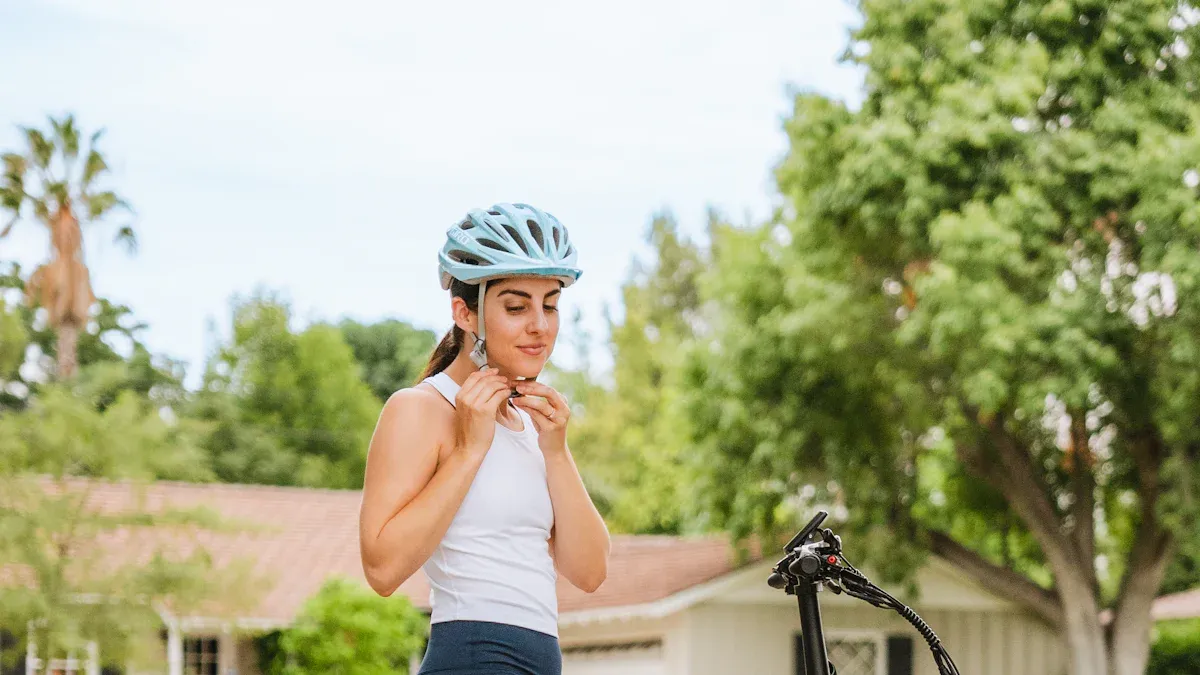
E-bikes and pedelecs are enjoying growing popularity in Germany. More and more people are choosing these eco-friendly and practical modes of transport. Around 24.7% of Germans now own an e-bike, a significant increase compared to 15.2% in 2020. Young adults between 18 and 29 years old are showing particular interest, with the share in this age group rising to 17.5%. In total, about 15.7 million e-bikes are on German roads. These figures highlight how strongly these vehicles have established themselves in recent years. But what legal requirements do you need to keep in mind when using such a vehicle?
Key Findings
Pedelecs are treated like bicycles. You do not need insurance, a driver's license, or a helmet. They are easy to use.
S-pedelecs can travel at speeds of up to 45 km/h. They are classified as small motorcycles. For these, you need insurance, a license plate, and a driver's license.
E-bikes with a motor are not allowed to ride on bike paths. They must be ridden on the road to ensure safety.
A helmet is mandatory for S-pedelecs. For regular pedelecs, a helmet is recommended to protect your head.
Check the rules before buying an e-bike or pedelec. This way, you stay safe and avoid any trouble.
Classification of E-Bikes and Pedelecs in Germany
Pedelecs
Definition and Technical Specifications
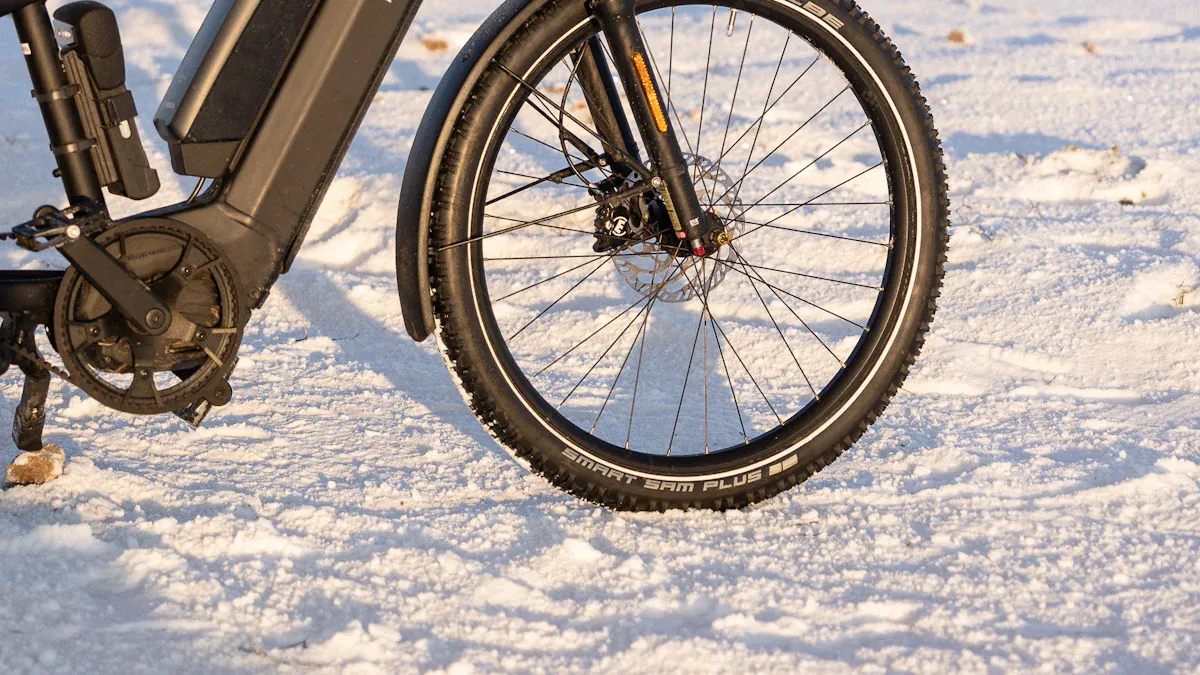
A pedelec is an electric bicycle that assists you while pedaling up to a speed of 25 km/h. The motor has a maximum continuous rated power of 0.25 kW. As soon as you stop pedaling or the speed exceeds 25 km/h, the assistance switches off automatically. These features make pedelecs ideal for everyday use, especially for commuters or recreational riders.
Legal Classification and Requirements
Legally, pedelecs are considered bicycles. You do not need registration, an insurance plate, or a driver's license. There is also no mandatory helmet requirement. These regulations make pedelecs particularly accessible. More than 90% of e-bikes and pedelecs in Germany fall into this category.
Use on Bike Paths and Roads
With a pedelec, you can use bike paths and roads, just like with a conventional bicycle. There are no restrictions as long as you follow general traffic rules.
S-Pedelecs
Definition and Technical Specifications
S-pedelecs provide assistance up to a speed of 45 km/h. They offer you a significantly higher average speed, ranging between 24 and 33 km/h. Many people use S-pedelecs as a substitute for cars, especially for medium-distance commutes.
Legal Classification and Requirements
S-pedelecs are classified as L1e-B mopeds. You require liability insurance, an insurance license plate, and a class AM driver's license. Furthermore, a helmet is mandatory.
Restrictions on Use
You are not allowed to use bike paths with an S-pedelec. You are required to ride on the road. This regulation ensures greater safety in traffic.
E-Bikes
Differences Between Motor-Assisted and Motor-Driven E-Bikes
Motor-assisted e-bikes only help you while pedaling, similar to pedelecs. Motor-driven e-bikes, on the other hand, can propel you even without pedaling. This distinction affects the legal requirements.
Legal Requirements for Different Speed Classes
E-bikes with assistance up to 6 km/h do not require any special permits. If the speed exceeds 25 km/h, they are considered mopeds. In this case, you need insurance, a license plate, and a driver's license.
Operating Rules and Restrictions
Motor-driven e-bikes are not allowed to ride on bike paths. You must use them on the road. Observe speed limits to avoid fines.
Operating Rules and Traffic Regulations for E-Bikes and Pedelecs in Germany
Use of Bike Paths and Roads
Regulations for Pedelecs
With a pedelec, you can use bike paths and roads, as applies to conventional bicycles. Especially in urban areas, bike paths offer a safe alternative to the road. In rural regions, pedelecs are permitted on forest paths or in pedestrian zones, provided no opposing signs are present. This flexibility makes pedelecs a popular choice for both recreational and daily rides.
Restrictions for S-Pedelecs and E-Bikes
S-pedelecs and motor-driven e-bikes are subject to stricter regulations. You may not use bike paths with them because they are classified as mopeds. Instead, you must use the road. Additionally, entering one-way streets in the opposite direction is only allowed if indicated by appropriate signs. These rules promote the safety of all road users.
Alcohol Limits and Transporting Children
Alcohol Limits for Different Vehicle Types
The same alcohol limits apply to pedelecs as to bicycles. However, you should note that stricter blood alcohol limits apply to S-pedelecs because they are classified as motorized vehicles. Responsible riding protects not only you but also other road users.
Regulations for Transporting Children
Transporting children is permitted on pedelecs if suitable child seats are used. On S-pedelecs and motor-driven e-bikes, however, this is prohibited. This restriction is intended for the safety of children and accounts for the higher speed of these vehicles.
Restrictions in Certain Areas
Use of Tourist or Motor-Vehicle-Free Paths
In tourist areas or on motor-vehicle-free paths, you can often use pedelecs without issue. S-pedelecs and motor-driven e-bikes are usually prohibited here, however. This regulation protects nature and ensures harmonious coexistence between pedestrians and cyclists.
Entering One-Way Streets and Other Special Rules
Entering one-way streets is allowed for pedelecs if appropriate signs indicate it. These exceptions do not apply to S-pedelecs and motor-driven e-bikes. Such special regulations promote safety and reduce conflicts in traffic.
Note: Penalties for non-compliance with the regulations can be severe. Therefore, always adhere to the current rules to avoid fines and points in Flensburg.
Safety Measures for E-Bikes and Pedelecs in Germany
Mandatory Helmets and Recommended Safety Equipment
Helmet Requirement for S-Pedelecs and E-Bikes
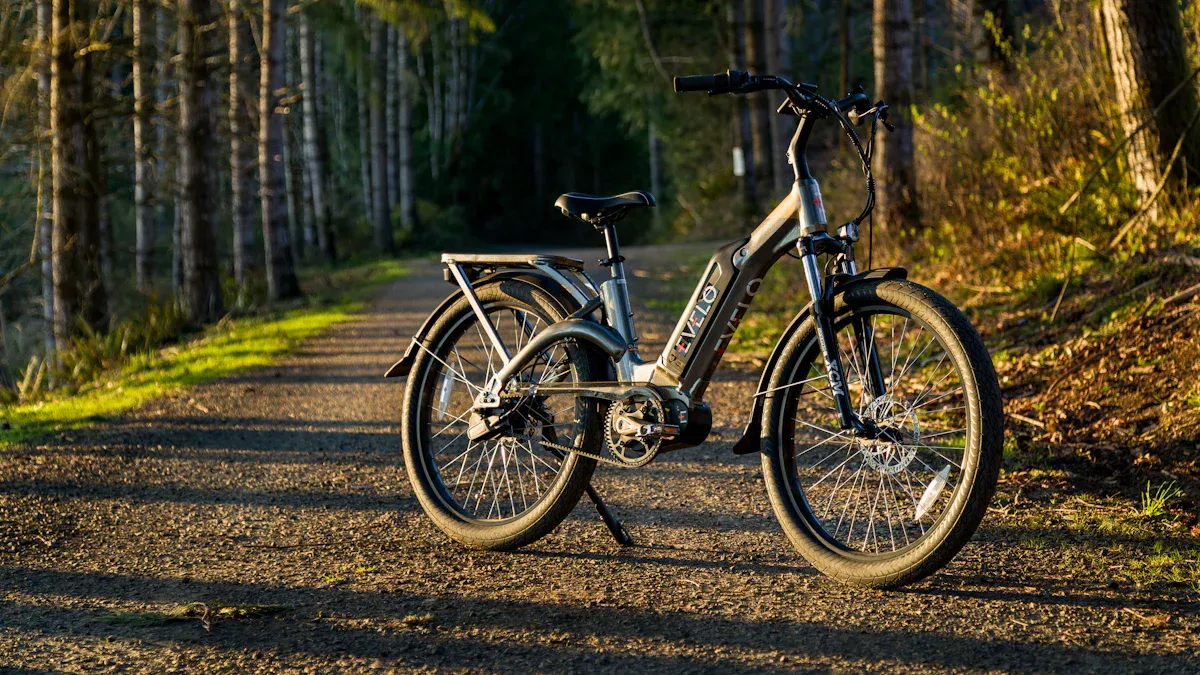
If you ride an S-pedelec or a motor-driven e-bike, you must wear a helmet. This rule protects you from serious head injuries in the event of an accident. Statistics show that 73% of riders without a helmet suffer head injuries, while this figure is only 46% for those wearing helmets. These numbers highlight how important a helmet is for your safety. Make sure your helmet fits well and meets current safety standards.
Recommended Safety Equipment for Pedelecs
There is no mandatory helmet requirement for pedelecs, but wearing a helmet is strongly recommended. Additionally, you should wear reflective clothing, especially in low-light conditions. Well-functioning lighting and brakes also increase your safety. Riding safety training courses can help you improve your riding behavior. Studies show that such training significantly increases the subjective sense of safety.
Observance of Speed Limits
Importance of Speed Limits for Safety
Speed limits are crucial for your safety and that of other road users. Especially with S-pedelecs and fast e-bikes, you should adhere to the prescribed limits. High speeds increase the risk of accidents and make timely braking more difficult. According to a study, most riders accept speed limits because they promote safety in traffic.
Consequences of Exceeding Limits
If you exceed speed limits, you risk not only fines but also accidents. In heavy traffic, excessive speed can lead to dangerous situations. Additionally, traffic volume affects your subjective sense of safety. Stick to the limits to avoid conflicts and penalties.
Tip: Regular maintenance of your e-bike or pedelec ensures that brakes and lighting function optimally. This way, you can ride safely and in a relaxed manner.
Safety Measure |
Comments |
|
|---|---|---|
Speed limits |
High |
Mostly well accepted, even by S-pedelec riders themselves. |
Mandatory helmet |
High |
Positive feedback regarding safety. |
Riding safety training |
High |
Increases the subjective sense of safety. |
Collisions in pedelec condition |
0 |
No collisions detected in the S-pedelec condition. |
Influence of speed level |
Variable |
Subjective sense of safety influenced by traffic volume. |
Insurance and Licensing Requirements for E-Bikes and Pedelecs in Germany
Requirements for Pedelecs
No Insurance or License Required
Pedelecs up to a speed of 25 km/h are legally considered bicycles. You do not need insurance or a license to ride them. This regulation makes pedelecs particularly attractive for everyday life. They are easy to use and require no additional bureaucratic steps. There is also no mandatory helmet requirement, as pedelecs are treated the same as normal bicycles.
Recommended Private Liability Insurance
Despite the lack of mandatory insurance, you should consider private liability insurance. This protects you from financial damages if you cause an accident with your pedelec. Especially in urban areas, where traffic is denser, such insurance can make sense.
Requirements for S-Pedelecs
Liability Insurance and Mandatory License Plate
S-pedelecs, which reach speeds of up to 45 km/h, are considered mopeds. You must take out liability insurance and attach an insurance license plate to your vehicle. The manufacturer also requires an operating permit from the Federal Motor Transport Authority (KBA) for each model.
Class AM Driver's License Required
A class AM driver's license is required to ride an S-pedelec. An exception applies to individuals born before April 1965. The minimum age for obtaining this license is 16 years.
Requirements for E-Bikes
Differences Between Motor-Assisted and Motor-Driven E-Bikes
Motor-assisted e-bikes are similar to pedelecs, as they only assist while pedaling. Motor-driven e-bikes, on the other hand, can propel you without pedaling. This distinction affects the legal requirements.
Necessity of Insurance and Licenses for Certain Classes
E-bikes that reach speeds over 25 km/h require insurance and a license plate. A driver's license is also required for these vehicles. Motor-driven e-bikes that can ride without pedaling are considered mopeds and are subject to the same regulations as S-pedelecs.
Tip: Before buying an e-bike or pedelec in Germany, inform yourself about the exact requirements. This way, you avoid legal problems and can use your vehicle safely.
Using e-bikes and pedelecs in Germany requires a basic understanding of legal requirements. Pedelecs are considered bicycles and offer you flexibility without additional bureaucracy. S-pedelecs, on the other hand, are subject to stricter regulations, such as mandatory helmets and a minimum age of 16 years. E-bikes, especially motor-driven models, require a precise knowledge of the laws to avoid fines.
Adhering to these regulations protects you and other road users. Studies show that S-pedelecs have been recorded as a separate category since 2015, but comprehensive accident statistics are missing. Cooperation with insurers could help here. Familiarize yourself with the rules, such as using one-way streets or blood alcohol limits, to stay safe on the road.
An informed approach to e-bikes and pedelecs allows you not only to have a safe ride but also to fully exploit the benefits of these eco-friendly vehicles.
FAQ
What is the difference between a pedelec and an S-pedelec?
A pedelec assists you up to 25 km/h and is considered a bicycle. An S-pedelec reaches up to 45 km/h and is classified as a moped. For S-pedelecs, you need insurance, a license plate, and a driver's license.
Am I allowed to ride an S-pedelec on bike paths?
No, S-pedelecs are not allowed to use bike paths. You must ride an S-pedelec on the road. This regulation ensures more safety in traffic and protects other cyclists.
Do I need insurance for my e-bike?
That depends on the speed. For motor-assisted e-bikes up to 25 km/h, no insurance is required. If your e-bike exceeds this limit, you need liability insurance and a license plate.
Is there a mandatory helmet requirement for pedelecs?
There is no mandatory helmet requirement for pedelecs. However, wearing a helmet is strongly recommended to protect yourself from head injuries. For S-pedelecs and motor-driven e-bikes, a helmet is legally required.
Can I transport children with a pedelec?
Yes, you can transport children with a pedelec if you use a suitable child seat. On S-pedelecs and motor-driven e-bikes, transporting children is not permitted for safety reasons.