
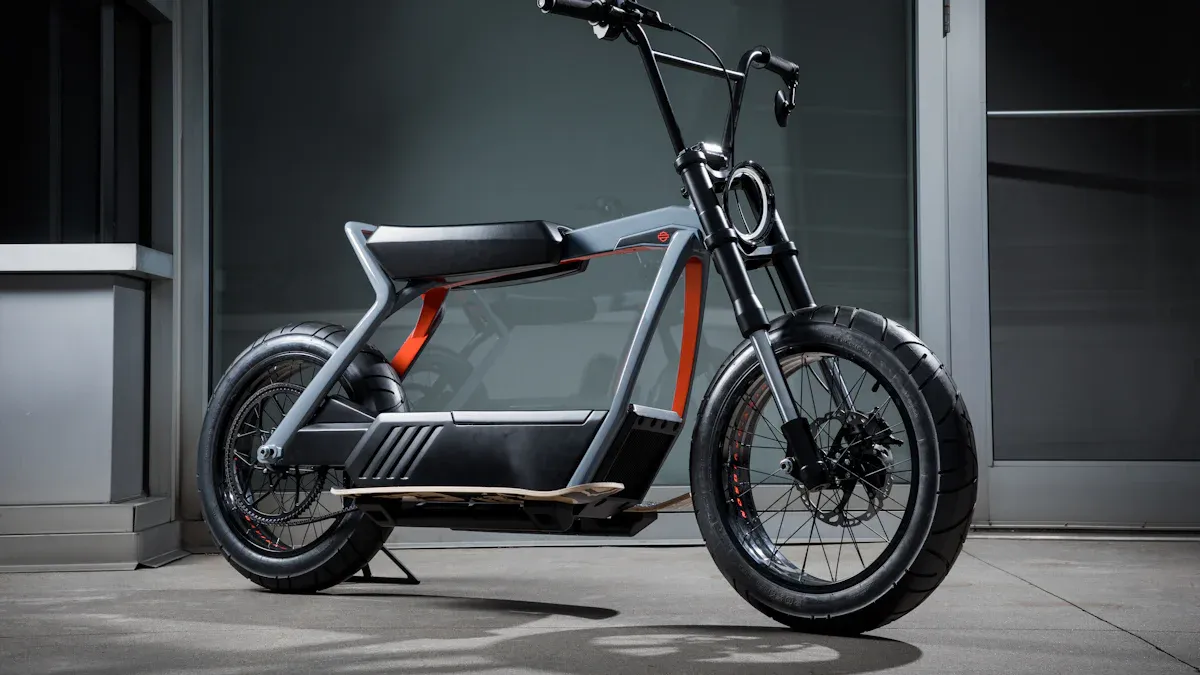
Recognizing high-quality e-bike deals is crucial for long-term satisfaction with your purchase. The numbers speak for themselves: in 2023, 2.1 million e-bikes were sold in Germany, with a total value of 7.06 billion euros. This demand underscores the importance of quality. In particular, pedelecs with up to 250 watts of power and a speed of 25 km/h offer an optimal combination of efficiency and comfort.
Key Findings
Choose an e-bike according to your needs. City bikes are good for the city. Mountain bikes are better for difficult terrain.
Take a close look at the motor and battery. A 250-watt motor is often sufficient. An 800 Wh battery lasts longer.
Get advice and test ride the e-bike. Specialist dealers will help you find the right model.
Intended Use and Type of E-Bike
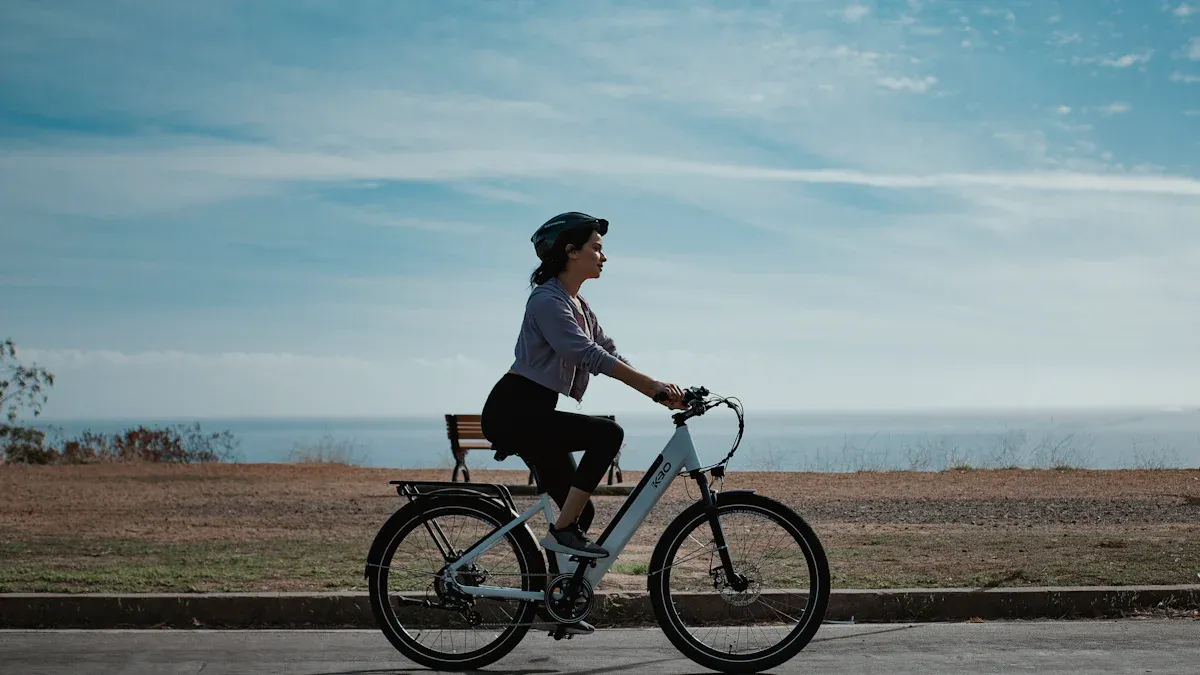
Overview of Different E-Bike Types
E-bikes come in various designs tailored to different needs. The most common types include:
City bikes: Perfect for everyday use, short distances, and relaxed rides in the city.
Mountain bikes: Designed for demanding trails and steep climbs.
Trekking bikes: Ideal for longer tours and mixed terrain.
Cargo bikes: Optimal for transporting goods or children.
Folding bikes: Practical for commuters, as they are easy to transport.
Each type has its own strengths and weaknesses. The choice depends on how and where you want to use your e-bike.
The Impact of Intended Use on E-Bike Selection
The intended use plays a crucial role in choosing the right model. Different e-bike types are optimized for specific requirements. The following table shows how the intended use affects your choice:
Factor |
E-Bike Type 1 (e.g., Mountain bike) |
E-Bike Type 2 (e.g., City bike) |
|---|---|---|
Area of use |
Demanding trails, steep climbs |
Everyday use, leisurely tours |
Range |
Higher range due to larger battery |
Lower range due to smaller battery |
Handling |
Heavier motor, affects ride feel |
Lighter motor, more natural ride feel |
Battery capacity |
Larger battery possible |
Smaller battery (250 - 400 Wh) |
Trade-offs |
Higher energy consumption, less natural ride feel |
Shorter range, not suitable for challenging terrain |
The table illustrates that a mountain bike is suitable for sporty riders, while a city bike is ideal for daily life.
Expert Tips for Choosing the Right Model
Choosing the right e-bike can be overwhelming. Experts recommend:
Cross e-bikes or entry-level hardtail e-bikes if you are unsure which routes you want to ride.
Models with mid-drive motors, as they are reliable and offer pleasant handling.
Talking to other e-bike owners to gain experience.
Reading reviews and test reports on platforms to check the quality of a model.
Seeking professional advice to ensure the e-bike meets your needs.
Tip: Take your time to compare different models and take a test ride. This is the best way to find the e-bike that suits you perfectly.
Technical Features and Quality
Motor Power and Drive Types
Motor power is a decisive factor for the performance and ride feel of an e-bike. Typical e-bike motors offer a continuous output of 250 watts, which is sufficient for most everyday applications. For more demanding routes or steep climbs, motors like the Bosch Performance Line CX with a peak output of up to 600 watts or the DJI Avinox with 1000 watts in boost mode may be a better choice.
Drive type |
Continuous operation (watts) |
Peak output (watts) |
|---|---|---|
Typical e-bike motor |
250 |
- |
Bosch Performance Line CX |
- |
600 |
DJI Avinox (boost mode) |
- |
1000 |
Besides power, the type of drive also plays a role. Mid-drive motors are considered particularly reliable and ensure balanced weight distribution. Rear-wheel motors, on the other hand, offer a sportier riding style, while front-wheel motors are more suitable for simple routes.
Tip: Choose a motor that suits your riding style and planned routes. A powerful mid-drive motor is ideal for steep climbs or longer tours.
Battery Capacity and Range
Battery capacity determines how far you can ride on a single charge. Modern e-bikes offer capacities between 250 and 800 watt-hours (Wh). A battery with 250 to 500 Wh allows for ranges of 55 to 70 kilometers. High-quality models with 800 Wh can reach up to 130 kilometers.
Battery capacity (Wh) |
Range (km) |
|---|---|
250 - 500 |
up to 55 - 70 |
800 |
up to 130 |
A removable battery facilitates charging and increases flexibility. Make sure the battery is well protected to avoid damage from weather or impacts.
Note: Plan your routes and charging times in advance to avoid unpleasant surprises on the road.
Brakes, Sensors, and Safety
Safety is the top priority for e-bikes. Due to higher speeds and additional weight, high-quality brakes are indispensable. Hydraulic disc brakes offer excellent braking performance, even in wet conditions or when carrying heavy luggage.
Sensors also play an important role. Torque sensors measure the force you apply to the pedals and adjust the motor support accordingly. This ensures a natural ride feel and increases efficiency.
Tip: Test the brakes and sensors during a test ride. This way, you can ensure they meet your requirements.
Frame Materials and Workmanship
The frame of an e-bike must be stable and durable. Aluminum and carbon are the most common materials. Aluminum frames are robust and affordable, while carbon frames are lighter and often more expensive.
Quality certificates such as TÜV certification or testing standards with hundreds of criteria guarantee high manufacturing quality. Mystery tests also evaluate service quality and uncover safety-relevant weaknesses.
Aspect |
Description |
|---|---|
TÜV certification |
Documents quality assurance in bicycle workshops, but not specifically for e-bike frames. |
Testing standards |
Includes several hundred criteria checked during an audit. |
Mystery tests |
Covert tests to check service quality, weighting safety-relevant errors heavily. |
Note: Pay attention to certificates and manufacturing tests to ensure your e-bike meets the highest quality standards.
Price-Performance Ratio and Budget
Price Ranges for Different E-Bike Categories
E-bike prices vary significantly depending on quality, features, and intended use. To give you an overview, the following table shows the typical price ranges and their features:
Price range |
Features |
|---|---|
Under 1,000 euros |
Cheaper models, often with basic functions and less powerful components. |
1,000 - 2,000 euros |
City e-bikes, trekking e-bikes, mountain bikes; more powerful motors and batteries. |
Above 2,000 euros |
High-quality e-bikes with advanced motors and drive systems for longer range. |
If you have a limited budget, you can find a good price-performance ratio in the mid-price range. However, high-quality models starting at 2,000 euros often offer a longer lifespan and better performance.
Tip: Consider how often and for what purpose you want to use your e-bike. A higher price can be worth it if you ride regularly or plan demanding routes.
Financing Options and Discounts
E-bikes are an investment, but there are ways to reduce costs. Many manufacturers and dealers offer discounts or financing options. The following table shows current trends:
Aspect |
Details |
|---|---|
Discount campaigns |
Manufacturers are offering discounts of 30 to 50 percent to clear high inventory levels. |
Buying restraint |
Online retail is stagnating, indicating general consumer reluctance to purchase. |
Market share |
74 percent of bikes were sold in physical specialist retail stores in 2023. |
Price pressure |
Trekking bikes and mountain bikes, in particular, are under price pressure, leading to reduced prices. |
Raw material prices |
Rising costs for raw materials like aluminum and carbon are influencing e-bike prices. |
Some dealers also offer installment plans or leasing options, which can help you spread the costs over a longer period.
"For complete bikes, an oversupply is emerging, which could lead to a real price war, especially with cheaper bikes. And cheap bikes are also driving down prices in our accessories market. A turbulent time is certainly coming for the entire industry." – Sebastian Tegtmeier, Bike Components
How to identify high-quality e-bike deals
Not every low price is a bargain. To identify high-quality e-bike deals, you should look for the following criteria:
Construction and components used
Price-performance ratio
Avoidance of front-wheel motors due to unfavorable weight distribution
Preference for proven manufacturers like Bosch, Yamaha, or Shimano
Battery capacity and total weight of the e-bike
Investment in quality for better performance and durability
A high-quality e-bike is characterized by a balanced combination of performance, comfort, and durability. Make sure the offer meets your requirements and does not compromise on quality.
Note: Read customer reviews and test reports to ensure the e-bike meets your expectations. A test ride can also help you make the right decision.
Consultation and Test Ride
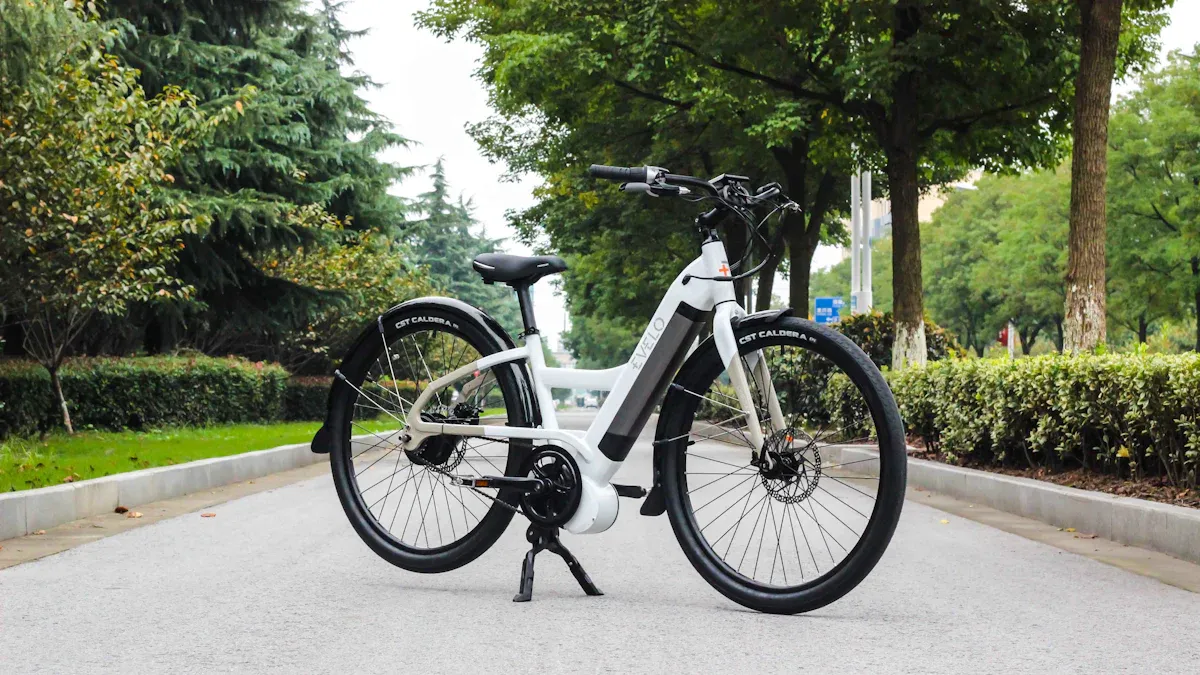
The role of professional advice when buying an e-bike
Professional advice can help you find the perfect e-bike for your needs. Specialist dealers analyze your requirements precisely and recommend models that suit your riding style and budget. They also offer valuable insights into technical details that you might otherwise overlook.
E-bikes often require more maintenance than conventional bicycles. Specialist dealers possess the technical expertise to assist you with repairs and maintenance. Furthermore, guarantees and warranties are often tied to the dealer. When buying online, this security is lacking.
Specialist dealers determine your needs and help with the selection.
They offer technical support and maintenance.
Guarantees and warranties are available directly from the dealer.
A study shows that 35% of people take their e-bike to a workshop, while only 17% repair everything themselves. This underscores the importance of professional advice and service.
Result |
Percentage |
|---|---|
People who take their e-bike to a workshop |
45% |
People who repair everything themselves |
17% |
People who take their e-bike to a workshop |
35% |
What to look out for during a test ride
A test ride is crucial to ensure that the e-bike suits you. Pay attention to the seating position and the ride feel. Test the motor in different assistance levels and check whether the brakes function reliably.
Ride on different surfaces to test stability and suspension. Listen for unusual noises that could indicate workmanship defects. Make a note of how the weight of the e-bike affects the handling.
Tip: Schedule at least 30 minutes for the test ride to test all important aspects.
Important questions for the seller
Ask the seller targeted questions to ensure that you make an informed decision:
How long does the battery last with average use?
What maintenance intervals are required?
Are there any spare parts that are difficult to obtain?
What warranty conditions apply to this model?
A good seller will give you clear and honest answers. Use this opportunity to also ask about current e-bike offers that meet your requirements.
Warranty and service
Standard warranty services for e-bikes
When buying an e-bike, you should check the warranty services carefully. Most manufacturers offer a 2-year warranty on the battery and the motor. Longer warranties often apply to the frame, sometimes up to 5 years. These warranties cover material and manufacturing defects.
Some brands offer extended warranties that are available for an extra charge. These can be worthwhile if you use your e-bike intensively. Check whether the warranty also covers wear parts such as brakes or chains.
Tip: Read the warranty conditions carefully. This will help you avoid surprises if repairs become necessary.
Spare parts and repair options
The availability of spare parts is an important quality indicator. High-quality e-bikes use components from well-known manufacturers such as Shimano or Bosch. These parts are usually easy to obtain.
Specialist dealers often offer repair services that are specifically tailored to your model. Some manufacturers also have certified workshops that use original parts. This guarantees a longer lifespan for your e-bike.
Spare part |
Availability from brand manufacturers |
|---|---|
Battery |
High |
Brakes |
High |
Motor |
Medium to high |
Note: Avoid no-name products, as spare parts are often difficult to find.
Customer service as a quality feature
Good customer service shows how much a manufacturer stands behind its product. Brands with excellent service offer quick responses to inquiries, transparent repair processes, and accommodating solutions when problems arise.
Specialist dealers often score points with personal advice and regular maintenance offers. Online retailers should at least offer a hotline or a chat service.
Tip: Read customer reviews to better assess the service of a manufacturer or dealer. Good customer service saves you time and hassle.
Choosing the right e-bike depends on your intended use, technical features, and price-performance ratio. Specialist advice and test rides help you identify high-quality e-bike offers. Avoid cheap models from discount stores. A used e-bike can be a sustainable alternative. Patience and comparison will ensure you get the best quality.
Tip: Seek advice from a specialist dealer and check the durability of the e-bike to avoid repair costs.
FAQ
How long does an e-bike battery last?
The lifespan of a battery depends on usage. On average, a battery lasts for 500 to 1,000 charging cycles, which corresponds to about 3 to 5 years.
Can I ride an e-bike in the rain?
Yes, most e-bikes are weatherproof. Ensure that the battery and electronics are well-sealed to avoid damage.
What maintenance does an e-bike require?
Regular maintenance includes checking the brakes, lubricating the chain, and inspecting the battery. Specialist dealers often offer special maintenance packages.
Tip: Read your e-bike's operating manual to adhere to the recommended maintenance intervals.