
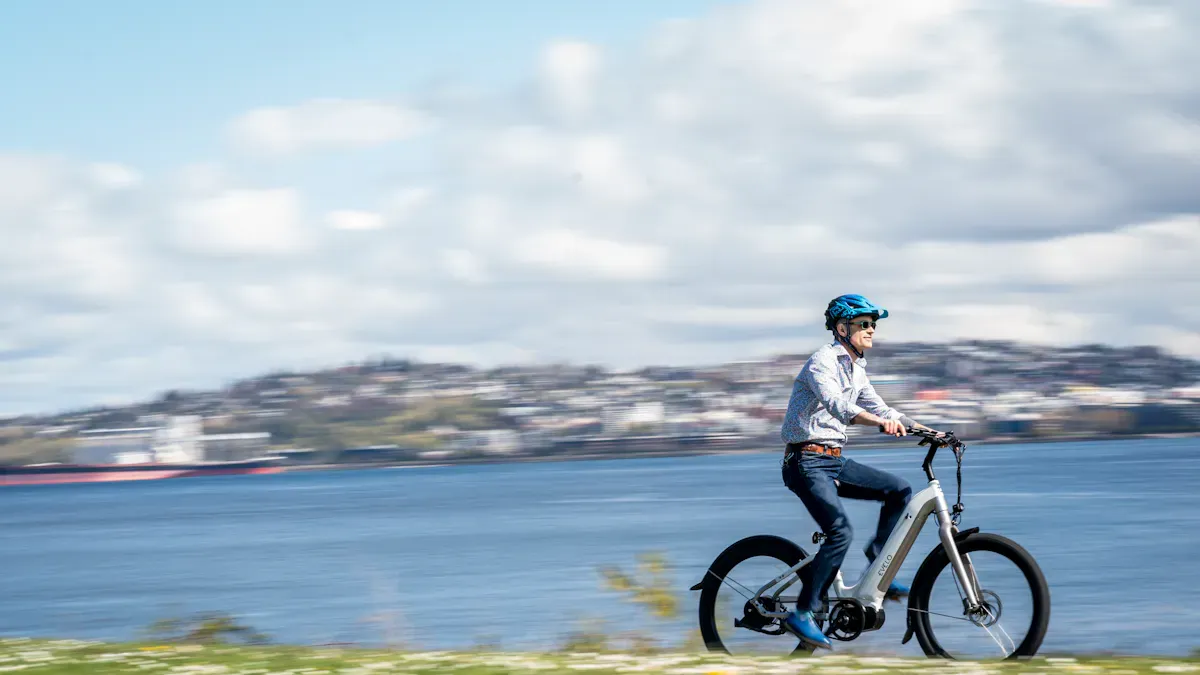
Are you facing the choice of your first e-bike motor? Consider how you want to ride and which routes you prefer. There is no one-size-fits-all motor. Your needs and your daily routine determine which drive system is the best fit for you. Don't let yourself be intimidated!
Key Insights
Consider how you want to use your e-bike. For the city, a front motor is often sufficient, whereas a mid-drive motor is better suited for tours and hills.
Pay attention to the torque of your motor. Higher torque helps you when starting off and in steep areas. Choose motors with 60 to 85 Nm for hilly routes.
Test different e-bike models on test rides. This way, you can feel which ride experience you enjoy most and which motor suits you.
E-Bike Motors Compared
Manufacturers and Variants
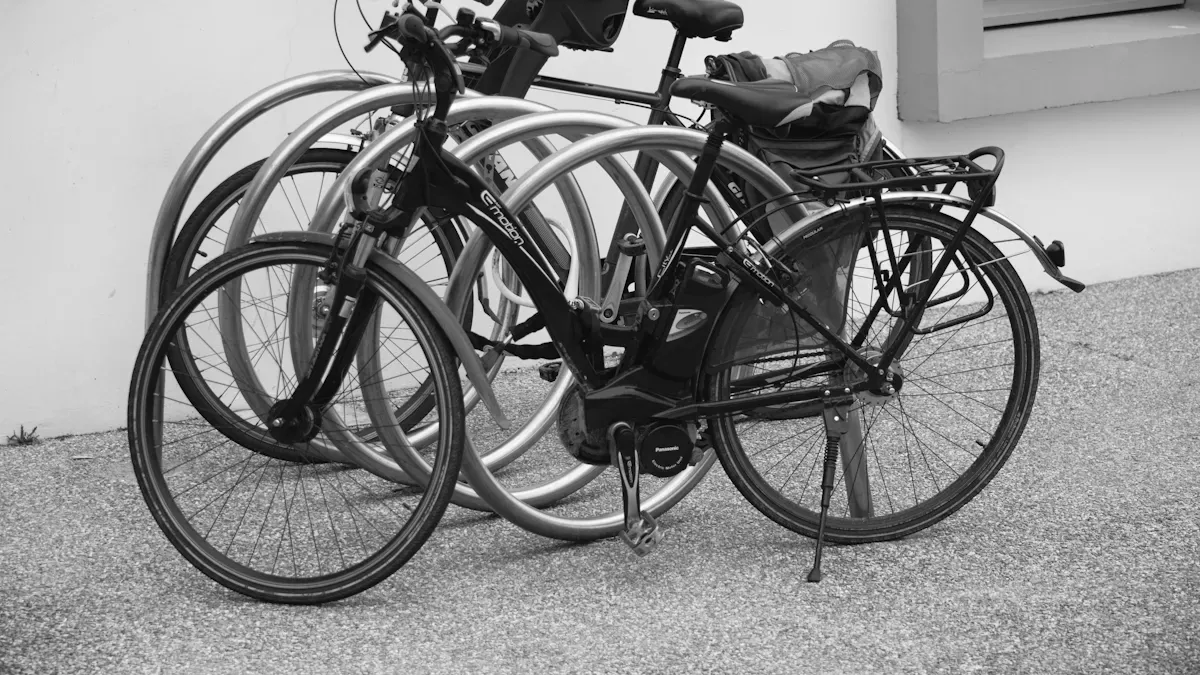
You may be wondering which brands are particularly important when it comes to e-bike motors. In Europe, there are several manufacturers that dominate the market. Take a look at this table:
Manufacturer |
Market Share |
Features |
|---|---|---|
Bosch |
Market leader |
Closed system, high prevalence, good service |
Yamaha |
N/A |
Open system, higher resistance |
Shimano |
N/A |
Compact motors, light, quiet riding experience |
Brose |
N/A |
Quiet, powerful motors, discreet design |
Bafang |
N/A |
Good price-performance ratio |
You can find Bosch almost everywhere. Many e-bike models rely on this manufacturer because the service is reliable and the technology is mature. Shimano and Brose score points with quiet and light motors. Bafang often offers you affordable alternatives.
Motor Types Explained Briefly
Now, let's look at the three most important motor types. Each type has its own strengths and weaknesses. Here is an overview:
Mid-drive motor: Located in the bottom bracket. You get good weight distribution and a natural riding feel. The motor works efficiently and helps you particularly on hills. Many e-bike fans like this type because it uses the gear system and is gentle on the battery.
Rear hub motor: This motor is located on the rear wheel. You feel a powerful push from behind. It is suitable for sporty riders and causes less wear on the chain and sprockets. However, maintenance is often more complex.
Front hub motor: Here, the motor is located on the front wheel. This makes the e-bike cheaper and the installation simple. However, the handling can change, especially in wet conditions. Many beginners choose this type because of the price.
Tip: Think about how you want to use your e-bike. For the city, a front motor is often enough. For tours or mountains, the mid-drive motor is usually the better choice.
E-Bike Motors for Different Areas of Use
City and Everyday Life
Do you ride in the city often? Then you need a motor that reliably gets you through your everyday life. For short distances and flat terrain, a front motor is often sufficient. It is inexpensive and easy to maintain. Many commuters and beginners opt for this type. A rear motor can give you a sportier feel if you enjoy riding at a brisk pace. In the city, it is often not just raw power that counts, but a pleasant riding feel and a quiet motor. Torque plays a smaller role here because you rarely have steep climbs. You simply want to reach your destination in a relaxed and safe manner.
Tip: Consider whether you often have to start from traffic lights. A motor with smooth responsiveness makes starting off easier and more comfortable.
Trekking and Touring
Are you planning longer excursions or want to head off-road from time to time? Then you should look for a motor that supports you on longer distances and inclines as well. For trekking and touring e-bikes, many experts recommend the following motors:
Yamaha PW-ST: This motor is suitable for trekking and even for e-mountain bikes. It offers you enough power for various routes.
Bosch Active Line Plus: Optimal for trekking bikes. With 50 Nm of torque and up to 340 percent pedal assistance, you are flexible on the move.
Brose Drive T Alu: Many trekking fans swear by this motor. It is ideal for longer excursions and ensures a pleasant ride.
For trekking tours, torque is crucial. It helps you when starting off and on inclines. The steeper the route, the more important a powerful motor becomes. For flat routes, less power is often sufficient. You should always match the motor output to your planned tours. A strong motor makes long rides more relaxed and gives you security, even when going uphill.
Mountain Biking and Off-Road
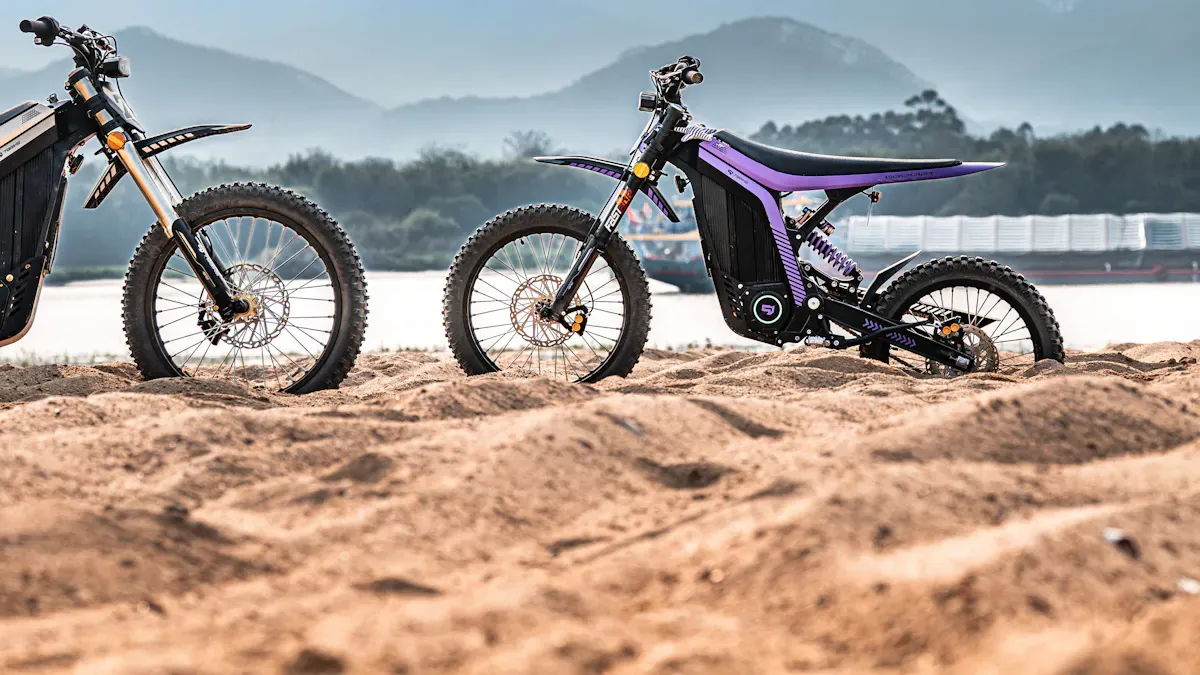
Do you love adventure and enjoy riding off-road? Then you need a motor that really packs a punch. Mid-drive motors are the first choice here. They dominate the market for sporty e-bikes and mountain bikes. 80 percent of e-mountain bikes contain a mid-drive motor. Why? It offers you the best handling and responds quickly to your movements. Especially on steep terrain, it stays cool and doesn't overheat as easily.
The Bosch e-bike motor, for example, is specifically developed for off-road use. It supports you dynamically and provides that famous "uphill flow feeling." This means you feel the power exactly when you need it. A mid-drive motor brings the weight into the center of the bike. This gives you more control and allows you to master even difficult trails.
Note: For mountain bikers, it's not just about pure power. The combination of torque, responsiveness, and weight makes the difference. A good motor gives you the feeling of being one with the bike.
Pros and Cons of Motor Types
Mid-Drive Motor
Do you want an e-bike that rides naturally? Then take a closer look at the mid-drive motor. Many e-bike fans swear by this drive system. It sits centrally in the bike and ensures perfect balance. It shows its strengths especially on hills. The riding feel remains intuitive and direct. Most mountain bikes rely on mid-drive motors because they handle so safely and controllably.
Disadvantages of the mid-drive motor |
|
|---|---|
Perfect weight distribution |
Higher wear on chain & sprockets |
Natural, intuitive riding feel |
Often slightly louder than rear motors |
High efficiency on inclines |
Usually more expensive to purchase |
Tip: If you are often off-road or in the mountains, a mid-drive motor gives you the best overall package.
Rear Hub Motor
Do you like it sporty and want a powerful push from behind? Then a rear hub motor is the right fit for you. It sits in the rear wheel and ensures a dynamic riding feel. This is really fun, especially on the road or on gravel paths. The rear hub motor is also easier on your chain and sprocket. You don't need to go in for maintenance as often.
Aspect |
Description |
|---|---|
Maintenance effort |
Rear motors are low-maintenance because they spare the drivetrain and are located directly in the rear wheel. |
Riding feel |
You feel a powerful push from behind, which is especially enjoyable off-road. |
Note: A rear hub motor is great for sporty riders and longer tours.
Front Hub Motor
Are you looking for an affordable solution for everyday life? Then take a look at the front hub motor. It sits on the front wheel and often makes the e-bike cheaper. Many beginners choose this type. However, there are a few disadvantages you should know about:
High load on the fork and head tube
Front wheel can slip on wet surfaces or inclines
Steering and suspension sometimes feel unusual
Removing the front wheel is more complicated
Tip: For flat routes in the city, a front motor is often sufficient. For more demanding tours, however, you should choose a mid-drive or rear hub motor.
Influence of Route Profile and Topography
Flat vs. Hilly
Are you wondering how terrain influences your choice of motor? The route profile plays a major role. If you mostly ride on flat paths or only light hills, a motor with 40 to 60 Nm of torque is often sufficient. That is enough for most everyday rides and saves energy. As soon as you travel in mountainous regions or your e-bike is heavily loaded, you need more support. Here, experts recommend motors with 60 to 85 Nm of torque. They help you to master even steep inclines with ease.
Route type |
Recommended motors (Nm) |
Notes |
|---|---|---|
Flat to slightly hilly |
40–60 |
Sufficient for most applications |
Mountainous or heavily loaded |
60–85 |
More support in demanding terrain |
Mixed use |
60–70 |
Good compromise of power and efficiency |
For steep mountains, motors like the Bosch Performance Line CX, Shimano EP8, Brose Drive S, or Yamaha PW-X are particularly well-suited. They offer you at least 70 Nm of torque and bring you safely to your destination, even on challenging routes.
Short Distance vs. Long Distance
The length of your rides also influences the choice of motor. For short distances in the city, a smaller battery and a motor with moderate power are often enough. Do you commute, go shopping, or take a short ride? Then you don't need huge range.
Short distances |
Long distances |
|
|---|---|---|
Battery size |
Smaller batteries |
Higher capacity |
Motor power |
Moderate power |
Higher power |
Range |
Sufficient for short distances |
Higher range required |
Charging times |
Longer charging times acceptable |
Faster charging times important |
Usage |
Commuting, short tours |
Half-day trips, multi-day tours |
If you are planning longer tours or even multi-day trips, you should look for a large battery and a powerful motor. The range depends not only on the motor but also on the terrain, your weight, and the level of assistance. In tests, e-bikes with strong motors like the Bosch CX or Avinox reach climbing ranges of almost 2,000 meters – that shows how much power is in modern drive systems.
Power, Torque, and Maintenance
Understanding Motor Power
Do you want to know how strong your motor really is? The motor power shows you how much assistance you get while riding. In Germany, your e-bike is allowed to have a maximum power output of 250 watts and assist up to 25 km/h. That is sufficient for everyday use and is regulated by law.
Maximum power |
|
|---|---|
25 km/h |
250 watts |
Manufacturers measure motor performance in the lab and on the road. For you as a beginner, these values are important:
Maximum assistance power
How quickly the motor reacts
How well you can control the bike
To determine performance, experts look at:
Mechanical power while pedaling
Maximum assistance
How long the motor provides full power (e.g., 30 minutes)
Performance on inclines (7% and 15%)
Performance on flat terrain
Torque and riding feel
The torque determines how powerfully your motor pushes. High torque helps you when starting off and on hills. Different models offer various values. Take a look at this table:
E-bike model |
Torque (Nm) |
|---|---|
Bafang rear hub motor |
45 |
Bosch Performance Line CX |
75 |
Brose mid-motor system |
90 |
AEG ComfortDrive mid-motor |
100 |
TQ-HRS 120 motor |
120 |
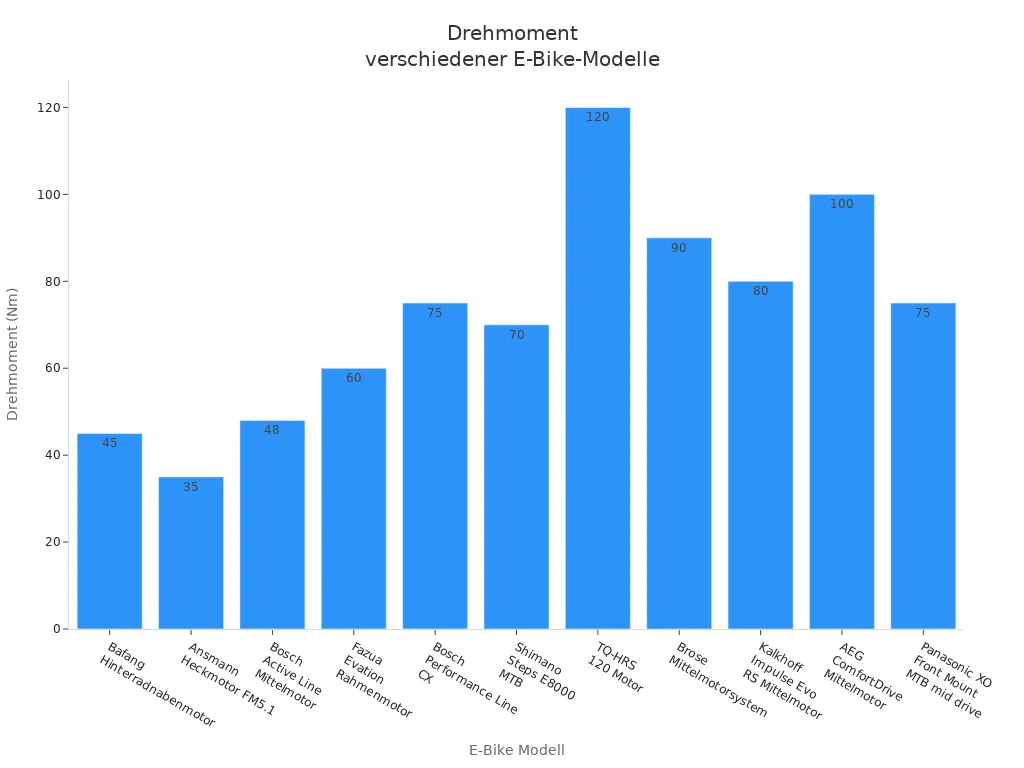
You will feel the difference immediately: more torque means more thrust and a sportier feel.
Maintenance effort
Every motor type requires care. Mid-motors often demand more maintenance because the chain and sprockets are subjected to more stress. Rear motors are generally low-maintenance as they are encapsulated. Front motors fall somewhere in between in terms of effort.
Motor type |
Maintenance interval and notes |
|---|---|
Mid-motors |
Annual system diagnosis, check of crank arms and noises, brand-specific notes |
Hub motors |
Check electrical contacts and spokes, inspect axle nuts |
Friction drives |
Keep friction roller clean, check bearings and contacts, tighten fasteners |
Tip: Get your bike checked regularly. This keeps your motor in top shape and ensures you enjoy riding for a long time.
Individual needs and additional features
Weight and noise level
Do you want an e-bike that feels light and agile? Then take a close look at the motor's weight. Lighter motors make your bike more agile and provide a natural riding feel. They transfer power better and give you more control. Here you can see how different motors perform:
Motor model |
Weight |
Handling benefits |
|---|---|---|
Shimano Steps E6100 |
2.8 kg |
Better power transmission, higher stiffness |
Shimano Steps E5000 |
2.5 kg |
Natural riding feel, almost silent |
Shimano Steps E7000 |
2.88 kg |
Agile riding feel, barely any noise development |
Shimano Steps E8000 |
2.9 kg |
Light, centered positioning for agility |
Noise level also plays a role. You can hardly hear some motors, while others are noticeable while riding:
TQ HPR 50: Almost silent, you can hardly hear it.
Fazua Ride 60: Very quiet, pleasant riding feel.
Sram Eagle Powertrain: Quieter than many others, not bothersome.
Bosch Performance SX: Quiet at start, louder at high power.
Shimano EP801 and Bosch Performance CX: Rather loud, especially at high power output.
Tip: If you like to be discreet and relaxed, choose a quiet and light motor.
Ease of use
Do you want to operate your e-bike easily? Then look for a clear display and easily accessible controls. Many modern e-bikes offer intuitive control. You can change assistance levels with a press of your thumb. An easy-to-read display shows your speed, battery level, and range. Some systems can even be controlled via app. This makes operation even easier.
Additional features
Modern e-bike motors offer many extras that make your everyday life easier:
Safety features like lights and anti-theft protection give you peace of mind when parking and riding.
Improved connectivity: You can connect your e-bike to your smartphone and control many settings directly.
Individual customization: Use apps to adjust motor power, riding modes, and even navigation to your liking.
Note: Consider which features are important to you. This way you will find an e-bike that fits your life perfectly.
Keep the most important points regarding the motor in mind:
Precise sensors
Good display
Battery size
Test rides and expert advice will really help you move forward:
Aspect |
Percentage share |
|---|---|
Test ride |
73.2% |
Advice |
61.9% |
Trust your gut feeling. Efficiency and riding pleasure often count for more than raw power!
FAQ
How do I find out which motor type suits me?
You can take a test ride. Test different models. Feel how the e-bike rides. Ask your local dealer for advice.
Do I need to maintain the motor regularly?
Yes, you should have the motor checked once a year. This keeps your e-bike reliable and avoids expensive repairs.
How important is torque for an e-bike?
Torque determines how strongly your motor pushes. You notice the difference when starting off and on hills. More torque gives you more power.