
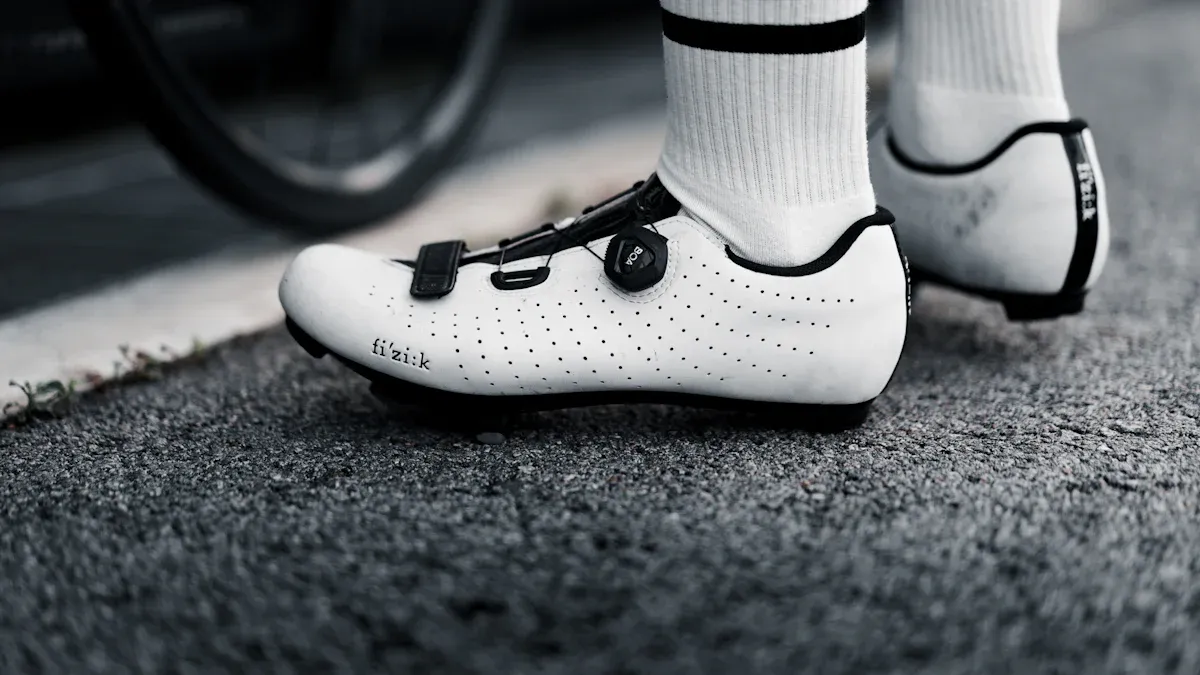
Are you wondering what the most important differences are between gravel bike shoes and mountain bike shoes? Choosing the right shoe directly affects your comfort and performance on mixed terrain. A well-fitting shoe improves power transfer and prevents pressure points. Breathable materials keep your feet dry and ensure comfortable rides. The sole determines how securely you stand on rocky ground. With targeted recommendations, you can find the optimal shoe for your next adventure.
A poor fit can lead to pressure points.
Breathable shoes allow for longer tours.
The sole determines grip and walking comfort.
Key Takeaways
Choosing the right shoe improves comfort and performance on mixed terrain.
Gravel bike shoes offer a good balance between weight and protection, ideal for long tours.
Mountain bike shoes are more robust and offer better protection on demanding trails.
Pay attention to sole stiffness to optimize power transfer and walking comfort.
Various closure systems allow for individual adjustment for maximum comfort.
Differences: Gravel Bike Shoes vs. Mountain Bike Shoes
Design & Materials
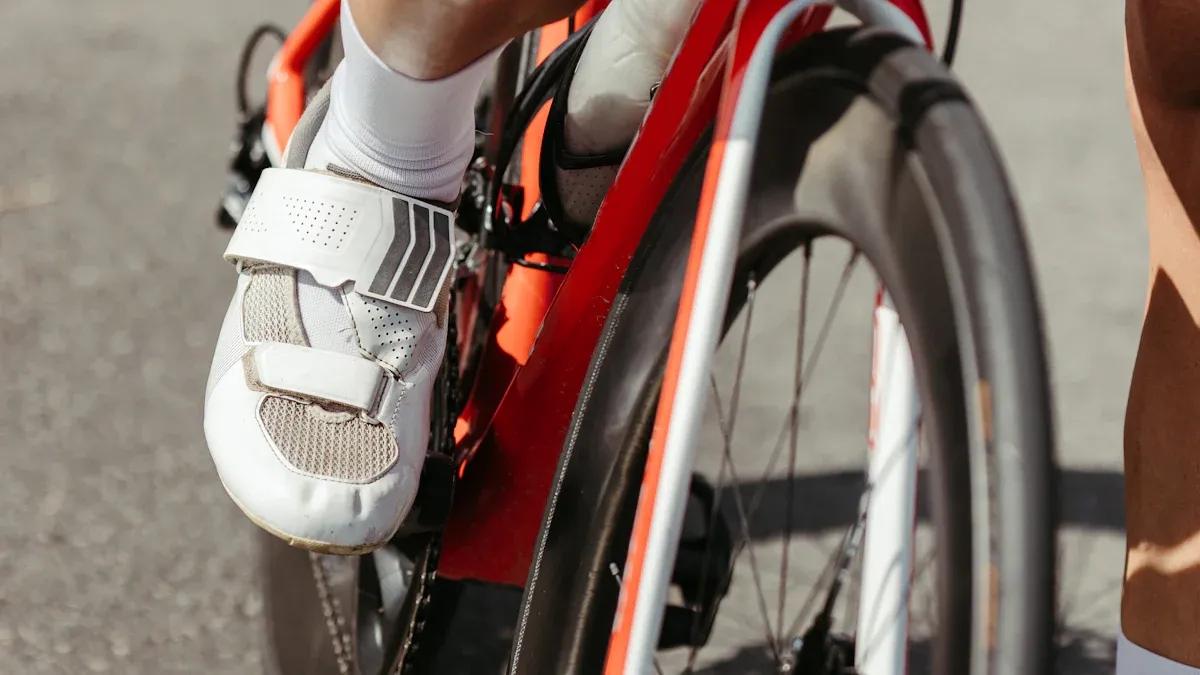
You can often recognize the differences between gravel bike shoes and mountain bike shoes just by their design. Gravel bike shoes combine features of road bike and mountain bike shoes, relying on a mix of lightness and robustness. The upper material plays an important role. It influences weight, fit, and how well air or water passes through the shoe. Many models are made of textile materials or (synthetic) leather. These materials ensure durability and comfort. The soles differ as well. A stiff sole improves power transfer to the pedal. A sole that is too soft can impair the riding feel. For tours on rough terrain, you need a slip-resistant sole so that you can stand securely even on muddy ground.
Tip: When buying, pay attention to the upper material and sole stiffness. This will help you find a shoe that meets your needs.
Key points regarding design and materials:
Stiff soles ensure better power transfer.
Non-slip soles provide traction on uneven ground.
The upper material influences weight, comfort, and durability.
Weight & Design
Weight plays a major role in both types of shoes. Gravel bike shoes are usually lighter than classic mountain bike shoes. You benefit from lower weight when covering longer distances or if you have to push your bike. The design of gravel bike shoes is focused on versatility. They often look sportier and offer a slimmer fit. Mountain bike shoes appear more robust and protect your feet better from rocks or branches. They often feature extra reinforcements and thicker materials.
Gravel bike shoes offer you a balanced ratio between weight and protection.
Mountain bike shoes focus on maximum robustness and protection off-road.
Use Case & Versatility
Gravel bike shoes are suitable for many different situations. You can use them for long tours, hike-a-bike sections, or even in daily life. They offer you comfort, good power transfer, and a secure grip—both on the pedal and while walking. Mountain bike shoes are specifically made for riding off-road. They offer you extra protection and grip on difficult trails.
Shoe Type |
Area of Use |
|---|---|
Gravel Bike Shoes |
Between road bike and mountain bike, comfortable for terrain and hike-a-bike sections |
Mountain Bike Shoes |
More robust, specifically for the demands of mountain biking |
Gravel bike shoes win with their versatility. You can wear them on asphalt, gravel, and forest paths.
Mountain bike shoes are made for demanding trails and technical terrain.
Note: Gravel shoes must perform well both on the pedal and while walking. They provide comfort, stability, and good power transfer—especially important for long off-road tours.
Pedal Systems & Closures
SPD & Other Systems
You are faced with choosing the right pedal system for your gravel or mountain bike. Most gravel bike shoes and mountain bike shoes use the two-bolt mounting system. This system comes from the mountain bike world. It offers you a slim cleat that does not make contact with the ground. This gives you advantages when you are out on gravel or rough terrain. You can walk more easily and have fewer problems with dirt or rocks.
Giulia Mantovani, Insights Manager at Canyon, explains:
“While I use flat pedals for my mountain bike, gravel riding is more about endurance than technical skill. That’s why I use clipless pedals in this case.”
SPD systems are considered particularly efficient. They provide a secure connection to the pedal, allowing you to transfer your power more effectively. Many gravel riders prefer this solution because they also want to comfortably master longer distances. You will find flat pedals more often on mountain bikes when you need more freedom of movement.
Comparing Closure Types
The type of closure on your shoe affects both comfort and security. There are various systems: Velcro, ratchets, Boa dials, or classic laces. Each system has its own advantages and disadvantages.
Closure Security Category |
Description |
|---|---|
Low Security |
Suitable for low-risk applications |
Medium Security |
For general use, balanced between security and handling |
High Security |
Optimal for critical applications where accidental release must be avoided |
The Boa dial can exert pressure on the top of your foot, which can lead to discomfort.
A high entry height of the shoes sometimes causes friction and pain.
You should use at least two rotations on the Boa system. This helps the shoe fit your foot better.
When choosing a closure, pay attention to your foot shape and your planned tours. A well-fitting shoe provides security and comfort—even on long distances.
Fit & Comfort
Fit & Adjustment
You feel immediately whether a shoe fits properly. The best gravel bike shoes and mountain bike shoes comfortably wrap around your foot without pinching. Your heel remains firm in the shoe, while the ankle remains free. Many manufacturers ensure that the shoes fit most feet, yet differences remain. Some size charts only show length, not width. Your feet are unique, which is why you should try on various models.
Tip: The insole shows you how well a shoe fits. It should be comfortable and support your foot.
Different closure systems help you optimize the fit. Laces offer individual adjustment, Velcro straps are practical and fast, and dials allow for fine-tuning. You can adjust the shoe precisely to your foot.
Laces: individual and flexible
Velcro: fast and simple
Dial: precise and micro-adjustable
Ensure that the shoe is not too tight. A shoe that is too loose provides no hold. Try out different closures to find your favorite.
Ventilation & Padding
You need shoes that let your feet breathe. Good ventilation prevents sweating. Many models feature breathable materials. Mesh inserts or small ventilation holes provide fresh air inside the shoe. Your feet stay dry, even on long tours.
Padding plays an important role in comfort. Soft padding protects you from pressure points. It gives you a pleasant feeling, even on bumpy paths. Proper padding supports your foot and prevents pain.
Breathable materials keep your feet dry.
Padding protects against pressure and ensures comfort.
You should ensure that ventilation and padding are balanced so you can enjoy every ride, whether on gravel, asphalt, or forest paths.
Sole & Walking Comfort
Grip on Mixed Terrain
You want to stand securely on any surface. The sole plays a crucial role here. Mountain bike shoes often offer a very stiff sole. This provides a firm hold, especially on soft surfaces like mud or forest soil. The rubber compound shows good grip on rocks. Users report that models like the Shimano S-PHYRE XC903 offer excellent grip when you are out on demanding terrain. However, you feel less comfort when walking on uneven ground.
Gravel bike shoes strike a compromise between walking comfort and grip. The sole is stiff enough for efficient power transfer to the pedal while remaining flexible enough to avoid pressure points. Adidas Gravel shoes show that a not-too-hard sole allows for pleasant walking while still offering good grip. While you might not achieve the maximum grip of MTB shoes in deep mud, you benefit from versatility on gravel, asphalt, and forest paths.
Shoe Type |
Flexibility |
|
|---|---|---|
Gravel Bike Shoes |
171 |
High flexibility, better rolling motion |
Mountain Bike Shoes |
Higher than 171 |
Lower flexibility, optimized for power transfer |
Tip: Choose a sole that suits your preferred terrain. For mixed routes, a balanced tread pattern is ideal.
Walking Comfort Off the Bike
Sometimes you get off the bike and walk a bit. This is where walking comfort matters. Mountain bike shoes have a stiff sole and tensile material for optimal power transfer while riding. Modern models offer grippy soles and pleasant walking characteristics, making them true all-rounders for long tours and demanding trails. The padding protects your feet and ensures comfort even when walking on uneven ground.
Gravel bike shoes like the Scott Gravel Pro use a nylon-fiberglass sole with a sticky rubber profile. This construction gives you stability when you dismount. The sole is less stiff than in mountain bike shoes. You will feel some flex, especially during hard sprints, but this makes walking more comfortable without losing too much power on the bike.
Mountain bike shoes: Best power transfer, good protection, high walking comfort on trails.
Gravel bike shoes: More flexibility, pleasant rolling motion, versatile for different surfaces.
Note: Test different soles to find out which walking comfort you prefer.
Recommendations for Mixed Terrain
Gravel Bike Shoes for Adventures
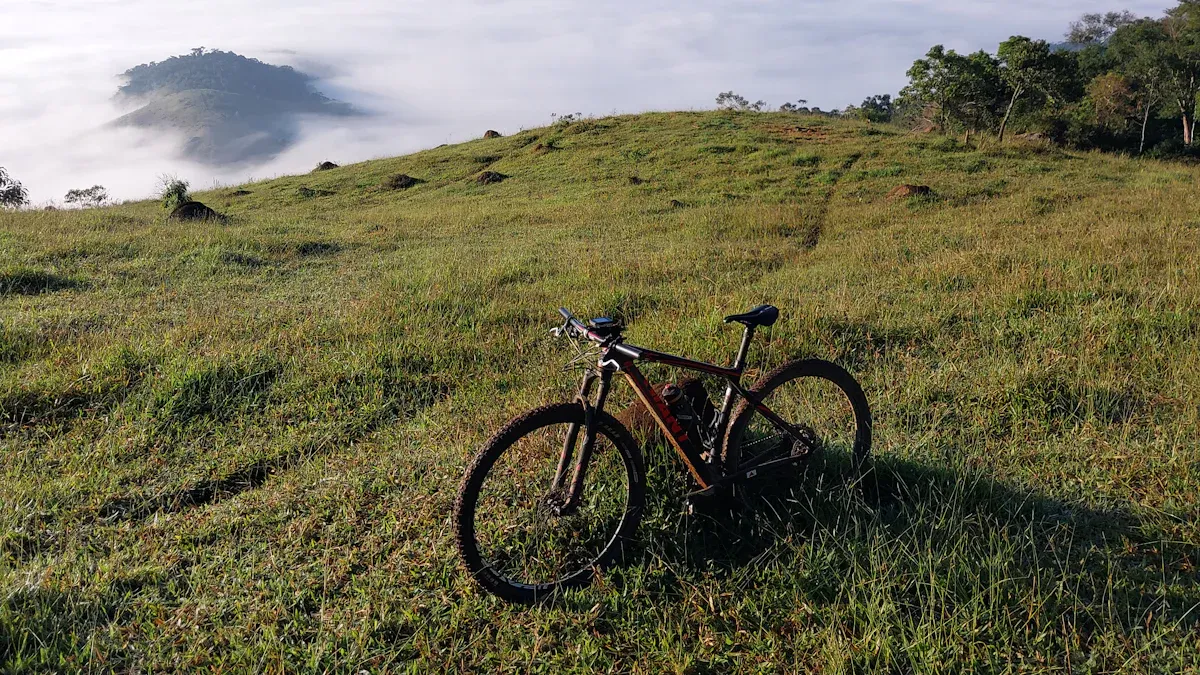
Are you planning long tours and want to explore off the beaten path? Then you need shoes that are versatile and robust. Look for a grippy sole that gives you hold on gravel, roots, and wet surfaces. A water-repellent surface protects your feet in changing weather. Choose a model with a comfortable fit and sufficient padding so you don't feel pressure points even after many hours. A reliable closure system ensures the shoe stays firm even if you are walking through mud or pushing the bike.
Tip: Check if the shoe is compatible with your pedal system. A suitable shoe closure provides security and comfort on long adventures.
Models for Racing & Sports
For sporting activities and racing, you need specific features. Here, the stiffness of the sole is paramount to transfer your power optimally to the pedal. Choose a model that fits snugly but remains comfortable. Breathable materials ensure your feet stay dry even under high exertion. A good cleat profile gives you hold if you walk short distances. Compatibility with clipless pedals is a must for many racers.
Robust design for various terrains
Breathability for comfort
Good cleat profile for secure hold
Snug but comfortable fit
All-Round Recommendations
Looking for a shoe that does it all? All-round models combine comfort, durability, and versatility. They are suitable for everyday use, tours, and occasional athletic activities. Look for a balanced mix of flexibility and stiffness. The sole should provide enough grip so you can walk safely off the bike. Good value for money plays a major role here. Many models that perform well in the TÜV report are considered particularly reliable and long-lasting. They save you costs in the long run and offer high utility.
Suitable insole and various widths for comfort
Good grip and water resistance
Reliability and durability for many applications
With these tips, you will find the right gravel bike shoes or mountain bike shoes for your next adventure, athletic challenges, or daily use.
You have now learned the most important differences between gravel bike and mountain bike shoes. Choose your shoe based on your intended use. For adventure and bikepacking, models like Checkpoint offer plenty of storage and comfort. Races demand strong power transfer, as with the Boone. All-rounders like the FX Sport score points with versatility. Consider how much you walk versus ride. MTB shoes give you grip on rough terrain. Gravel shoes combine comfort and robustness. Try out different models to experience the best riding feel.
Model |
Intended Use |
Features |
|---|---|---|
Checkpoint |
Adventure |
Plenty of storage, robust |
Boone |
Racing |
Power transfer, control |
FX Sport |
All-round |
Versatile, comfortable |
FAQ
How do I find the right shoe size for gravel bike or mountain bike shoes?
It is best to measure your foot length in the evening when your feet are slightly larger. Try on different brands. Ensure your toes have enough room in the front and the heel fits securely.
Can I also use gravel bike shoes for mountain biking?
You can use gravel bike shoes on easy trails. They offer comfort and flexibility. For very technical routes or downhill, experts recommend specific mountain bike shoes because they provide more protection and grip.
How do I properly maintain my cycling shoes?
Tip: Clean your shoes after every ride with a soft brush and lukewarm water. Air dry them. Avoid direct sunlight or radiators so that the material does not become brittle.
Which sole is suitable for lots of walking off the bike?
Choose a sole with medium stiffness and a grippy tread. You will benefit from more comfort while walking. Many gravel bike shoes offer you exactly this mix of flexibility and support.