
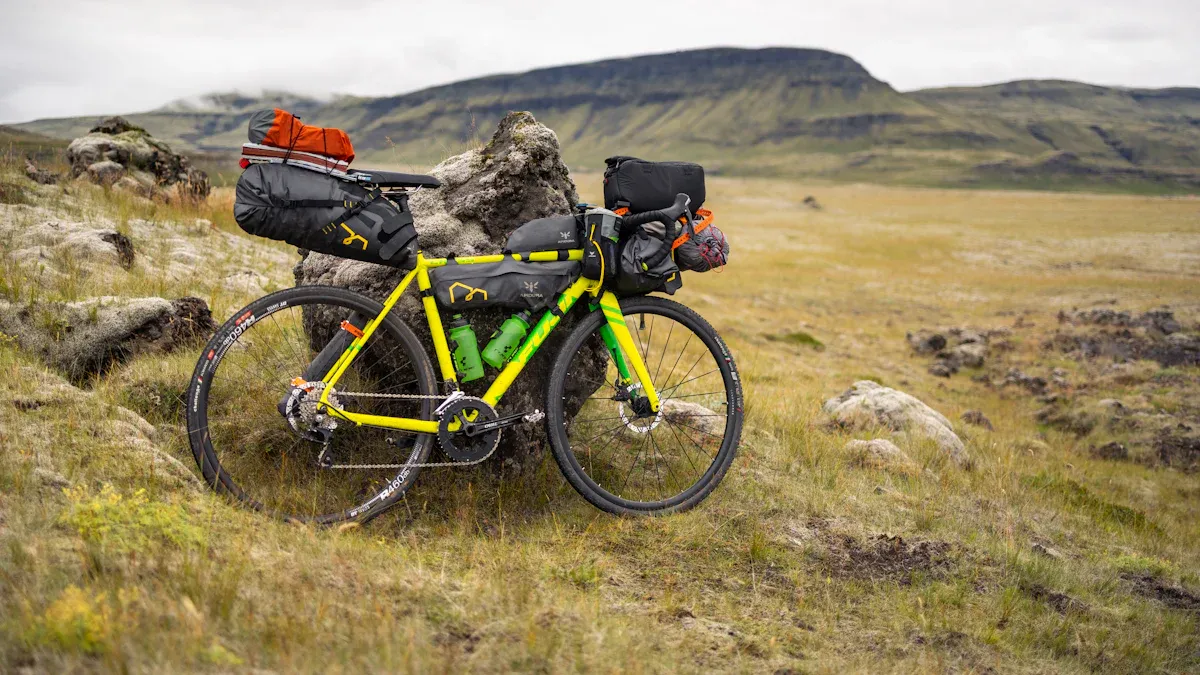
You are looking for a bike that is flexible and reliable. A men's gravel bike combines a sporty design with a robust construction. This bike is suitable for asphalt, gravel, and forest trails. You want to know what to look for when choosing one. According to current user surveys, the most important advantages are:
Robust construction for longer rides
Comfort due to a relaxed seating position
With this guide, you will understand all relevant features clearly and practically.
Key takeaways
Gravel bikes offer versatility for different surfaces. They are ideal for asphalt, gravel, and forest trails.
The right fit is crucial. Pay attention to body height, arm length, and leg length to choose the appropriate frame size.
A comfortable geometry and wide tires increase riding comfort. They dampen bumps and provide more grip.
Regular maintenance extends the lifespan of your gravel bike. Check tires, brakes, and the chain regularly.
A test ride is important. This is how you feel whether the bike suits you and if the seating position is comfortable.
Men's gravel bike: definition and usage
What is a men's gravel bike?
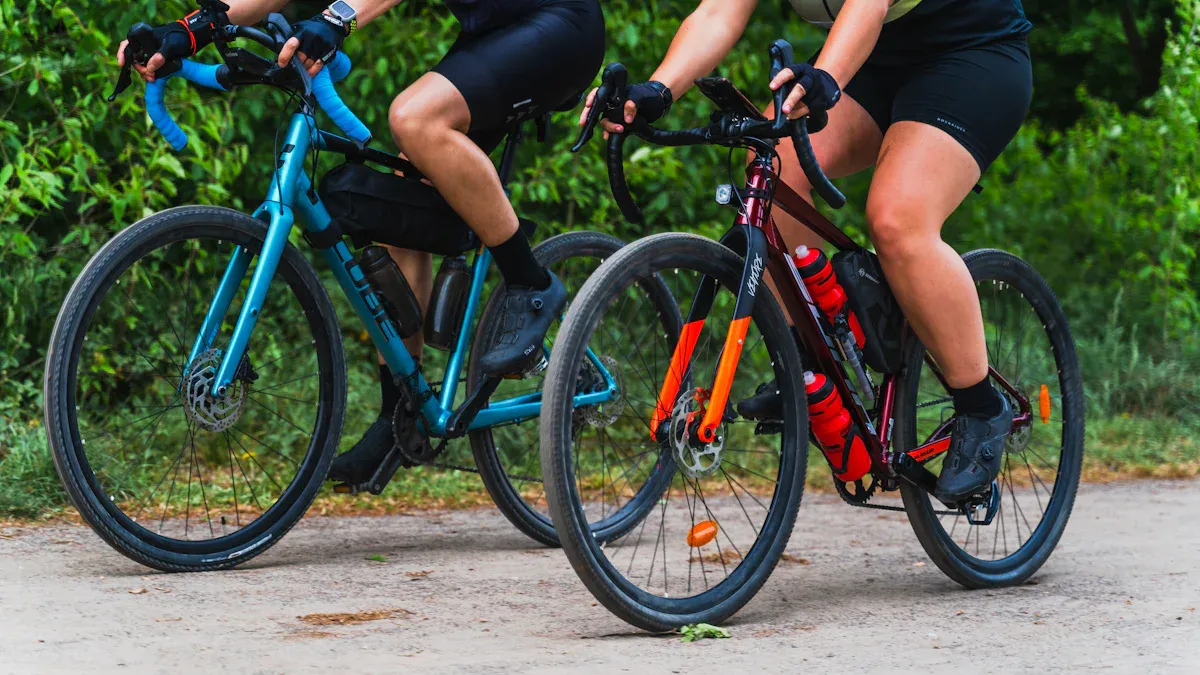
You want a bike that accompanies you on various paths. A men's gravel bike offers you exactly this versatility. It combines the characteristics of a road bike and a mountain bike. You get a lightweight riding feel, but can also ride off-road. The following table shows you the most important features:
Feature |
Description |
|---|---|
Versatility |
|
Combination of features |
Off-road capabilities and lightweight riding feel |
Comfort |
More upright seating position, flared cockpit |
Tire clearance |
Space for wide tires (38-56 mm) with tread |
Equipment options |
Many mounting points for bottle cages and racks |
Differences to other bikes
You may be wondering how a men's gravel bike differs from other bicycles. The differences compared to road bikes and mountain bikes are significant. Take a look at the tables:
Aspect |
Gravel bike |
Road bike |
|---|---|---|
Tires |
Narrower tires (23-28 mm) for smooth roads |
|
Geometry |
More relaxed geometry, more upright seating position |
Sportier, aerodynamic geometry |
Equipment |
More versatile, often with rack and mudguard mounts |
Light, high-performance components |
Ground clearance |
Higher ground clearance, more stable |
Lower design, optimized for speed |
Feature |
Gravel bike |
Mountain bike |
|---|---|---|
Seating position |
More upright, relaxed seat |
|
Handling |
Responsive, faster on smooth surfaces |
More stable, more controllable on technical terrain |
Suspension |
Often rigid fork, less comfort on rough terrain |
Suspension fork, more comfort on uneven terrain |
Tires |
Fast-rolling tires, less grip on rough terrain |
Wider knobby tires for better grip |
Typical areas of use
You can use a men's gravel bike for many purposes. It is particularly suitable for:
Commuting
Touring
Bikepacking
Racing
Gravel bikes are robust and capable off-road. You benefit from their versatility when commuting to work, planning longer tours, or looking for adventure. Many users report that they are satisfied with a men's gravel bike for both everyday use and sporting challenges.
Features of a men's gravel bike
Frame material: carbon vs. aluminum
You are faced with the choice between carbon and aluminum when selecting a men's gravel bike. Both materials offer different characteristics. The following table shows you the most important pros and cons:
Aluminum |
Pros |
Cons |
Carbon |
Pros |
Cons |
|---|---|---|---|---|---|
lower price |
higher weight |
lightweight |
high price |
||
simplicity |
fewer features |
more features |
risk of crash damage |
||
more resistant to crashes |
better aesthetics |
Carbon frames offer high stiffness and responsiveness. Aluminum frames are more forgiving and bend upon impact, making minor damage repairable.
Geometry and drop-bar handlebars
The geometry strongly influences the handling of your men's gravel bike. You benefit from a slack head tube angle, which increases stability on loose surfaces. A longer wheelbase ensures a smooth ride on uneven terrain. Stack and reach are higher and shorter on gravel bikes to give you more control and comfort.
Slack head tube angle increases stability.
Longer wheelbase ensures smooth handling.
Higher stack and shorter reach offer control and comfort.
The handlebar shape also plays a major role. The following table shows the most popular drop-bar shapes:
Handlebar shape |
Popularity |
Notes |
|---|---|---|
Road bar |
High |
Often with aero extensions for comfort |
Adventure bars |
Moderate |
Usually based on road bars |
Flat bars |
Low |
Rarely found |
The flare of the gravel handlebar improves bike control and comfort in different riding positions. A shallower handlebar drop promotes all-around visibility and makes operating the brake levers easier.
Tire width and wheels
The right tire width determines comfort and grip. You will find various options for men's gravel bikes, depending on the area of use:
Tire width (mm) |
Area of use |
|---|---|
32–35 |
Roads and light gravel paths |
40–42 |
Standard for gravel bikes |
45–50 |
Intensive off-road use or bikepacking |
The wheel size also influences the handling. The following table helps you with the selection:
Wheel size |
Width (mm) |
Characteristics |
|---|---|---|
700c |
40-42 |
Comfortable, protects against punctures on rough terrain |
650B |
47 |
Higher comfort, more stable when loaded, for long distances |
29er |
>55 |
Suitable for rough terrain and bikepacking |
Drivetrain and brakes
You can choose between different shifting systems. The most popular options are:
Shimano GRX series: Developed specifically for gravel riding.
SRAM XPLR groupsets: Significant role in the gravel scene.
There are two main types of brakes. Hydraulic disc brakes offer you better braking power and modulation. They function reliably in wet conditions and require less maintenance. Mechanical brakes require more hand force and offer less fine modulation. In the entry-level class, you will often find mechanical disc brakes, which require more maintenance.
Hydraulic disc brakes offer the best braking performance and require less care.
Mechanical disc brakes are safe but not as powerful.
Equipment and accessories
You can customize your men's gravel bike. Many riders add panniers to create storage space for food and equipment. Mudguards keep dirt and water away and increase comfort in bad weather. Lighting systems ensure visibility and safety when riding in the dark.
Everyday gravel bikes offer the option to mount mudguards and a kickstand.
Comfortable geometries allow for flexible adaptation to different areas of use.
Lightweight gravel tires with moderate tread profiles support everyday suitability.
Sporty features are combined with urban practicality.
You can adjust the equipment to your needs. This makes your gravel bike the perfect companion for everyday life and adventure.
Men's gravel bike: selection criteria
Fit and frame size
You want to ride comfortably and safely. The right fit is crucial. Your height alone is not enough. You should also pay attention to the length of your arms, legs, and torso. Your riding style also plays a role in choosing the frame size.
Body height alone is not sufficient for choosing the frame size.
Proportions such as arm, leg, and torso length are decisive.
Individual riding style influences the choice of frame size.
An incorrect fit can impair your health and riding quality.
An incorrect seat height can lead to knee problems and increase fatigue while riding. The effective length of the frame influences the seat length and the natural posture of the spine. An incorrect handlebar position can lead to increased strain on the arms and shoulders.
Riding style and intended use
You can try out many riding styles with a men's gravel bike. Mental training and technique training help you to ride more safely and master difficult corners. After some practice, you will also be able to handle tight curves and wet trails.
Description |
|
|---|---|
Commuting |
Gravel bikes for the daily commute and weekend tours |
Comfort |
Comfortable gravel bikes for relaxed tours of any length |
Adventure |
All-rounders that also excel on rough terrain or for bikepacking |
Endurance |
Perfect for strong performance over long distances. |
Price-performance and budget
You should plan your budget carefully. Experts recommend around 1,500 to 2,000 euros for a good gravel bike. Also keep in mind additional costs for pedals and shoes. In the entry-level segment, you can find recommended models starting at about 1,500 euros.
Category |
Price range |
Description |
|---|---|---|
up to 1,500 euros |
Solid options for beginners with good value for money. |
|
Intermediate |
1,500 to 3,000 euros |
High-quality equipment for enthusiasts and ambitious amateurs. |
Professional |
3,000 to 15,000 euros |
Maximum performance and quality for experienced riders. |
Accessories and customization
You can customize your gravel bike individually. Many models offer different frame sizes for an optimal fit. Additional equipment such as luggage racks, mudguards, and lighting systems make your bike versatile. You can choose the accessories according to your riding style.
Customization options |
Description |
|---|---|
Frame sizes |
Selection of different sizes for an optimal fit |
Additional equipment |
Options such as luggage racks, mudguards, lighting systems |
Adjustment to riding style |
Individualization according to the user's personal needs |
Gravel bikes offer many mounting points. Accessories like luggage racks and mudguards increase adaptability. Special components improve versatility in different riding situations.
Performance and comfort
Handling on different surfaces
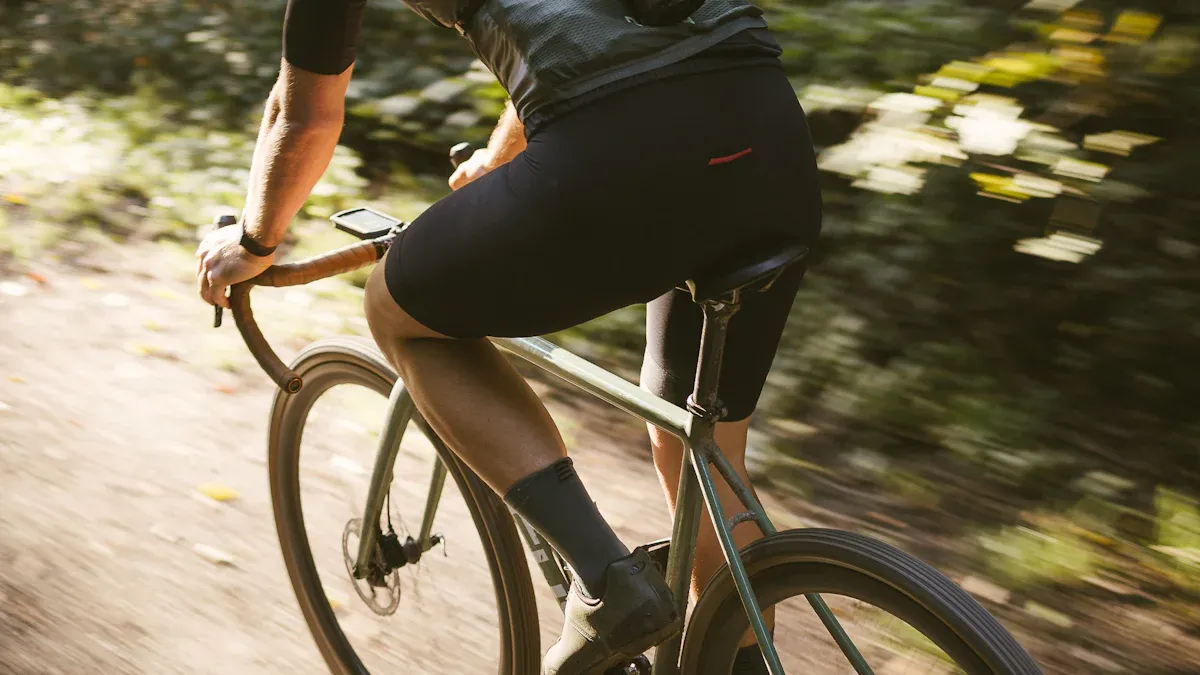
With a men's gravel bike, you will experience balanced handling, whether you are riding on asphalt or gravel. The special geometry and the handlebars give you control on any terrain. Compared to mountain bikes, you are more versatile and stable. The most important advantages are particularly evident on mixed routes:
You can choose wider tires that offer more grip and safety on gravel.
The geometry is moderate and ensures a stable ride, even when the surface changes.
Long wheelbases and shallow steering angles give you a secure feeling on unpaved paths.
Tip: If you frequently switch between road and off-road, you will benefit from the versatility and stability of a gravel bike.
Comfort through geometry and components
Comfort plays a major role when you are riding longer distances. Various components contribute to you being on the road in a relaxed and safe manner. The following table shows you which parts are particularly important:
Component |
Influence on comfort |
|---|---|
Tire width |
Wider tires roll more easily and absorb bumps better. |
Geometry |
A calm geometry increases stability and comfort. |
Suspension forks |
They absorb shocks and make riding more pleasant. |
Flex functions |
Frames and seat posts with flex offer additional damping. |
You will feel the difference especially on long tours or rough paths. The right combination of geometry and components ensures that you fatigue less and have more fun.
Versatility for everyday life and adventures
You are flexible with your gravel bike. You can ride to work, go on tours at the weekend, or experience adventures. The versatility is evident in these points:
You can mount luggage racks for longer trips.
Mudguards protect you in bad weather.
Lighting provides safety in the dark.
Many riders report that they use their gravel bike both in everyday life and for athletic challenges. You decide for yourself how to equip your bike and which routes you choose.
Maintenance and longevity
You want to enjoy your bike for a long time. Regular maintenance increases its lifespan and ensures reliable performance. Pay attention to these points:
Check the tires and brakes regularly.
Keep the chain clean and oiled.
Check bolts and fastenings.
Note: A well-maintained gravel bike remains reliable and safe for longer. You can often carry out minor repairs yourself.
Buying guide for men's gravel bikes
Test ride and consultation
You should take a test ride before buying. This way you can feel if the bike suits you. Pay attention to the seating position and the riding experience. Ask for advice in a specialist shop. The experts will help you find the right frame size. They will show you different models and explain the differences. You can also ask specifically about accessories.
Tip: Take your own cycling shoes and pedals with you to the test ride. This way you can test the men's gravel bike under real conditions.
Buying online: What should you look for?
When buying online, you have to pay attention to important details. Read the product description carefully. Take a look at the frame size and the geometry. Check if the model fits your intended use. Compare the equipment and read customer reviews. Many shops offer a size chart. Use it to avoid mistakes.
Criterion |
Why it is important |
|---|---|
Frame size |
Correct fit |
Equipment |
Comfort and function |
Reviews |
Experiences of other buyers |
Right of return |
Security when buying online |
Recommendations for beginners
Are you a beginner? Choose a model with robust equipment and simple operation. An aluminum frame is often cheaper and durable. Hydraulic disc brakes offer you safety. Wider tires give you more comfort. Look for a relaxed geometry. This will help you ride comfortably and safely.
Aluminum frames for beginners
Hydraulic disc brakes
Tire width from 40 mm
Comfortable seating position
Avoid common mistakes
Many buyers make typical mistakes. You should avoid these:
Choosing the wrong frame size
Paying too little attention to the equipment
Forgetting accessories
Not going for a test ride
Note: Check all details before purchasing. This will help you find the right bike and enjoy it for a long time.
You have now learned the most important features and selection criteria for a men's gravel bike. Check the fit, pay attention to the equipment, and compare different models. Start with a test ride and ask experts for tips. Choose a bike that suits your riding style.
A well-selected gravel bike brings you more fun, comfort, and safety. Make an active decision and enjoy every ride!
FAQ
How do you look after your gravel bike properly?
You should clean your gravel bike regularly with water and mild detergent. You should oil the chain after every ride. You should check the brakes and tires for damage. You should store the bike in a dry place.
Which tires are suitable for different surfaces?
Surface |
Recommended tire width |
|---|---|
Asphalt |
32–35 mm |
Gravel paths |
40–42 mm |
Terrain |
45–50 mm |
You choose the width according to your preferred terrain.
Do you need special clothing for gravel biking?
You should wear breathable clothing. You should use padded cycling shorts for comfort. You should put on a windproof jacket in bad weather. You should protect yourself with gloves and a helmet.
How do you find the right frame size?
You measure your body height and leg length. You use the manufacturer's size chart. You take a test ride. You look for a relaxed seating position and reach the handlebars comfortably.