
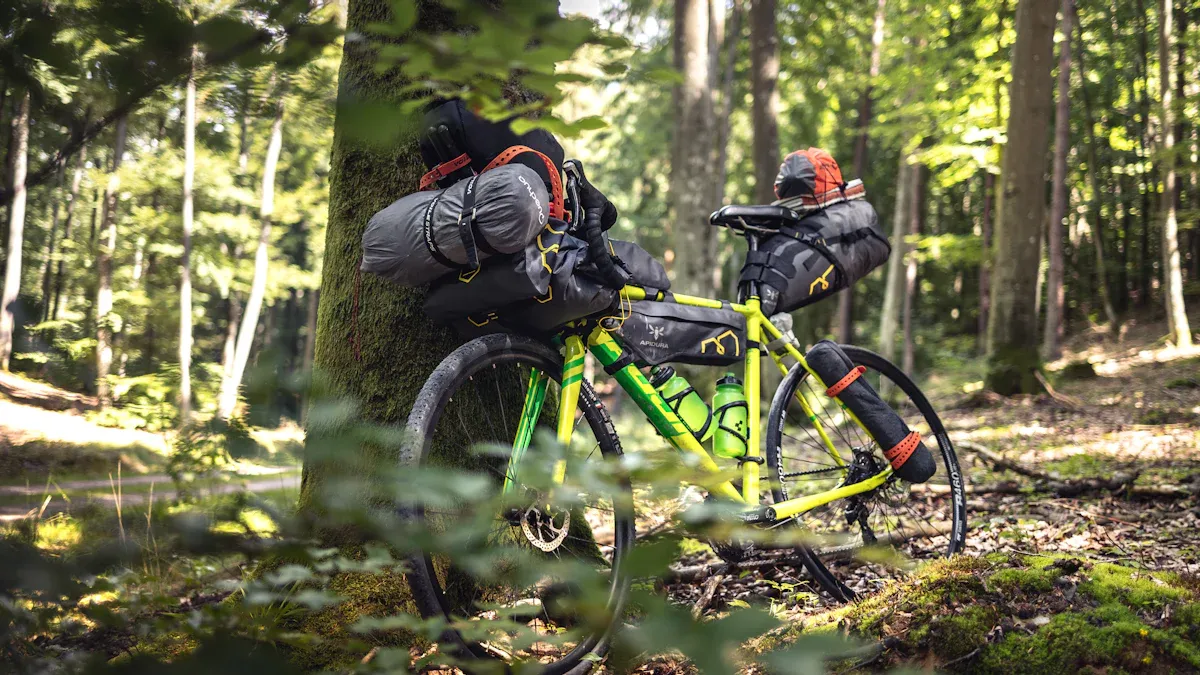
The best way to check a used gravel bike is step by step. First, take a close look at the frame, the fork, and especially the wheels. Broken spokes occur more frequently on used bikes, even without an accident. Specifically ask the seller about maintenance and previous owners. Test the bike on a trial ride, paying attention to noises and gear shifting performance. Compare the price with similar listings to estimate its value realistically.
Key takeaways
Examine the used gravel bike thoroughly: check the frame, fork, wheels, and wear parts for damage and wear.
Ask the seller about age, usage, maintenance, and previous owners to estimate the value realistically.
Go for a test ride and check the brakes, shifting, and ride feel to identify hidden defects.
Compare prices of similar models online and use tools like the buycycle price calculator for a fair valuation.
Only buy from trustworthy sellers and look for original parts as well as complete documentation.
Evaluating a used gravel bike
Age and usage
If you want to buy a used gravel bike, you should first check its age and previous usage. Ask the seller directly:
How old is the bike?
How often and for what purpose was it used?
Has it been maintained regularly?
Are there any previous owners?
Age heavily influences value. The older the bike, the lower the price. The table below shows how the value drops over the years:
Age of bike |
Estimated residual value (%) |
|---|---|
After 1 year |
|
After 2 years |
approx. 50 % |
After 3 years |
approx. 40 % |
After 4 years |
approx. 35 % |
After 5 years |
approx. 33 % |
After 8 years |
approx. 25 % |
Usage also counts: A bike ridden daily off-road shows more wear than one that was rarely used. Care and maintenance help retain value.
Brand and model
The brand and model play a major role in value. Well-known brands like Cervélo often fetch higher prices on the used market. Entry-level models cost less, while mid-range and high-end bikes hold their value better. The table below provides an overview:
Category |
Price range (€) |
Features and price impact |
|---|---|---|
700 - 1,500 |
Aluminum frame, basic equipment, solid performance |
|
Mid-range gravel bikes |
1,500 - 3,000 |
Aluminum or carbon frame, better components, balanced price-performance ratio |
High-end gravel bikes |
from 3,000 |
Carbon frame, high-quality components, innovative technologies |
Tip: Ask for the exact model name and search online for reviews and market prices.
Equipment
The equipment determines how much riding fun and safety you get. High-quality derailleurs and brakes from brands like Shimano or SRAM ensure precise shifting and safe braking. A used gravel bike with a carbon frame, hydraulic disc brakes, and good shifting costs more, but remains valuable longer. Accessories like racks, mudguards, or special wheels can further increase the price.
Always check if all parts are original and if the seller has installed high-quality components. This increases the value and lifespan of your used bike.
Checking the condition
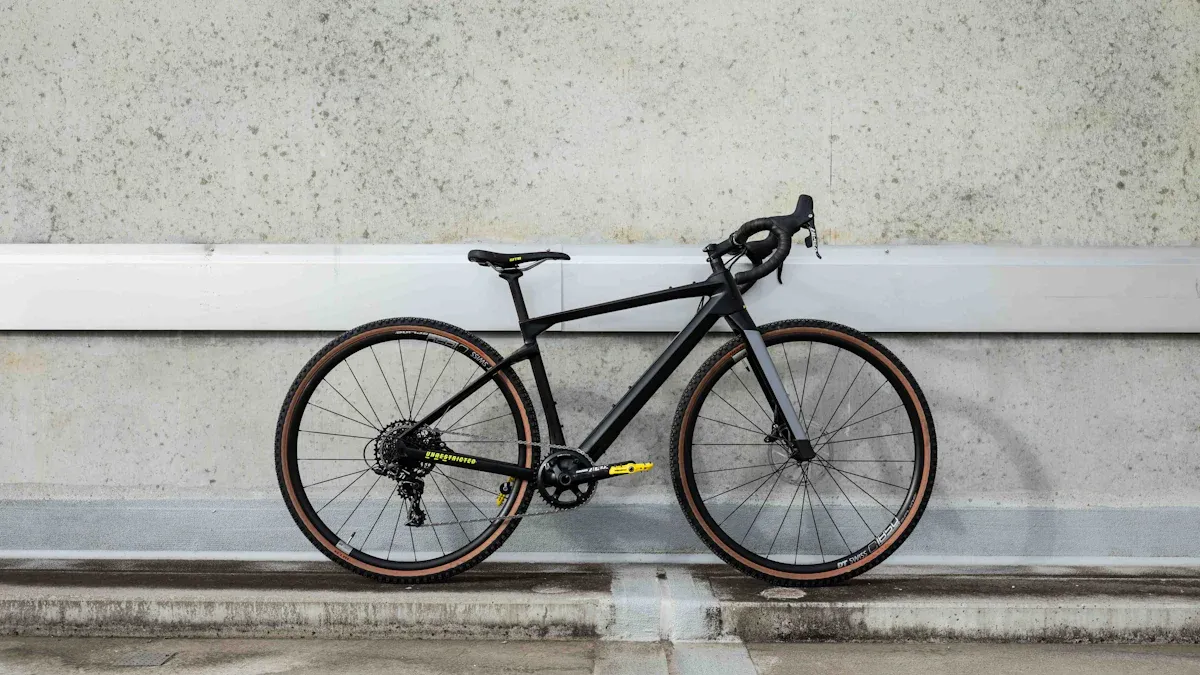
Before you buy a used gravel bike, you should carefully check its condition. Many defects can be identified with a simple visual inspection. Other damages often remain hidden and can become dangerous. Proceed step by step.
Frame and fork
The frame and fork are the heart of your bike. Examine them carefully for scratches, cracks, and dents. Especially with carbon frames and carbon forks, you must watch for hairline cracks and delamination. These damages are often caused by falls, pressure, or stone chips. They are sometimes barely visible from the outside but can severely impair stability. On aluminum frames, you will usually find visible cracks or dents. Repaired areas, for example at the bottom bracket, indicate past damage.
Tip: A slight creaking sound can indicate a hidden crack in the frame. Many damages are not visible to the naked eye. If in doubt, have the bike inspected by a professional.
Here are the most common types of damage and how to identify them:
Type of damage |
Description |
Recommendation |
|---|---|---|
Fine cracks in highly stressed areas like the head tube, bottom bracket, or chainstays. Often hard to see. |
Professional assessment by an expert recommended. Appraisals can reveal internal cracks. |
|
Deformations |
Visible dents or bent parts, mostly in aluminum. |
Visual inspection after falls; professional examination if unsure. |
Breaks |
Complete frame breaks, especially in carbon. |
Immediate inspection and replacement required if necessary. |
Repaired areas |
Often in the area of the bottom bracket or in hidden spots. |
Look closely; seek expert advice if unsure. |
One user reported that after purchasing a used 2019 Specialized Diverge, they only discovered hidden damage to the bottom bracket later. These were hidden by the crank and were not detected at the time of purchase. This shows how important a thorough inspection is.
Wear parts
Wear parts like chains, brakes, tires, and derailleurs wear out over time. Check the chain for elongation and rust. Inspect the brake pads and rotors for wear. Tires should have no cracks or cuts and still offer sufficient tread. The shifting system must work cleanly and precisely.
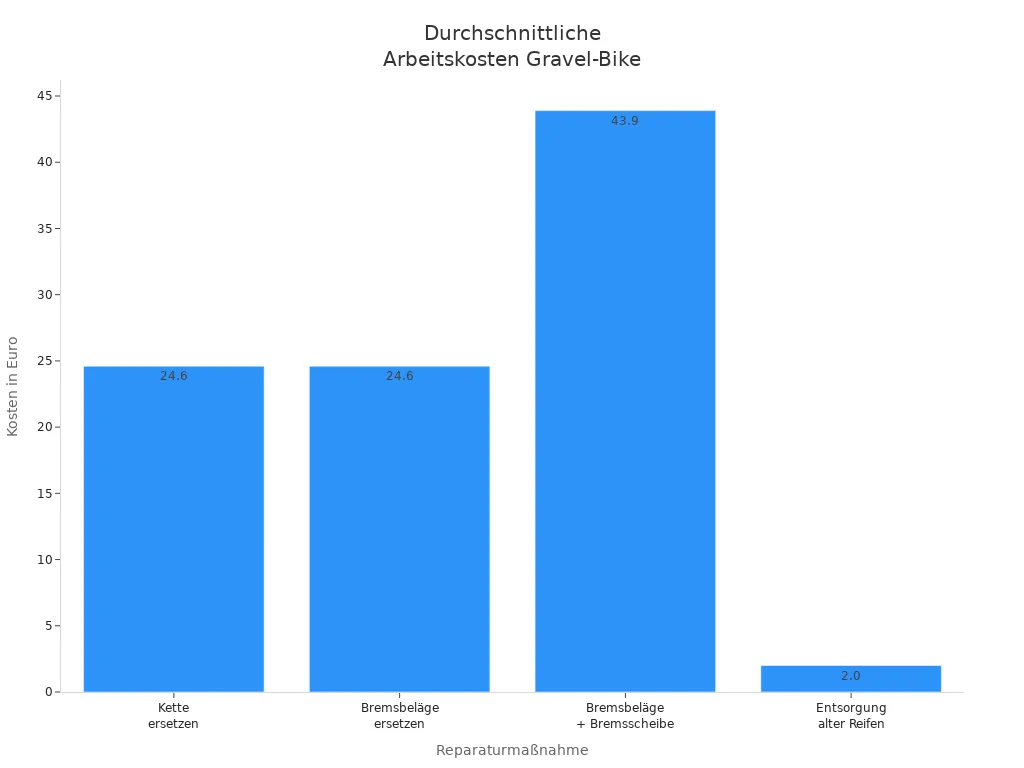
The costs for replacing these parts can add up quickly. Here is an overview of the average labor costs (excluding materials):
Repair task |
Average labor cost (excluding materials) |
|---|---|
Replace chain |
approx. €24.60 |
Replace brake pads |
approx. €24.60 |
Brake pads + rotor |
approx. €43.90 |
Complete disc brake |
up to approx. €82.20 (externally routed) / €98.30 (internally routed) |
Tire change (incl. mounting) |
approx. €25.20 to €37.90 |
Disposal of old tires |
approx. €2.00 |
Note: A complete replacement of chain, cassette, and chainrings including installation can easily cost over €100. For tires and brakes combined, you should expect to pay between €150 and €300. You must budget for these costs when buying a used bike.
Handlebar and stem
The handlebar and stem ensure your safety and control. Inspect them for pressure marks, cracks, and deformations. Carbon handlebars in particular are sensitive to crushing and improper clamping. Deep scratches, especially near the stem clamp, can be dangerous. A bent handlebar should never be bent back, as this leads to hairline cracks.
-
Look out for the following warning signs:
Pressure or clamping marks
Cracks and deformations
Sharp edges on the stem
Over-tightened screws
Missing spacers on levers
Tip: Remove the fork with carbon steerer at least once a year and check it for cracks in the clamping area. Use carbon assembly paste and adhere to the manufacturer's torque specifications. A stabilizing expander in the fork steerer can reduce stress.
To check if the handlebar or stem is bent, look at them closely. Deep scratches or deformations are a clear warning sign. Also, check if the wheel sits tension-free in the frame. If you are unsure, you should replace the parts.
Test ride and inspection
Ride feel
A test ride is the best way to experience the true feel of a used gravel bike. Sit on the bike and check if you feel comfortable. The seating position should match your body size. Make sure you can reach the handlebars well and place your feet securely on the pedals.
During the ride, you will quickly feel if the bike suits you. Test the bike on a quiet, familiar route. This allows you to focus on the bike's handling. Does the bike feel stable? Does it respond directly to your steering? A good gravel bike handles smoothly and gives you confidence, even on uneven terrain.
Tip: Try different seating positions. Small adjustments to the saddle or handlebars can significantly influence the ride feel.
Functional test
You should test all key functions of the bike during the test ride. Proceed step by step:
Before starting, check if the brakes and gear shifting work.
Test the shifting during the ride. Shift through all gears and make sure they shift cleanly and without delay.
Check the braking performance. The brakes should engage strongly and not rub or squeak.
Check the ergonomics. Are you sitting comfortably? Are the handlebars and saddle adjusted correctly?
If in doubt, have a bicycle shop explain the most important functions.
It is best to ride on a quiet route and start slowly.
Listen for unusual noises during the ride. Is something rattling on the frame or wheels? Is the shifting jerky? Such signs often indicate hidden defects.
Note: If you feel unsure or if something is not working, ask the seller for an explanation or request a second test ride. A good feeling during the test is the best foundation for a safe purchase.
Estimating value realistically
Comparing market prices
You should always check current market prices before buying a used gravel bike. Compare your desired bike with similar models. Pay attention to condition, equipment, and year of manufacture. This will give you a feel for whether the price is fair.
Here is an overview of typical prices for various models and equipment:
Model |
Condition |
Equipment |
Price (€) |
|---|---|---|---|
Specialized Diverge Comp Carbon |
Used, like new |
Shimano Ultegra Di2 |
2,200 |
Rondo Ruut CF-0 |
Used |
Di2 |
1,800 |
Conway GRV 10.0 DIAMANT 2024 |
New |
Mavic rims |
1,400 |
Scott Addict Gravel 10 |
Used |
N/A |
2,900 |
Serious Grafix gravel bike |
Used |
Hydraulic brake |
625 |
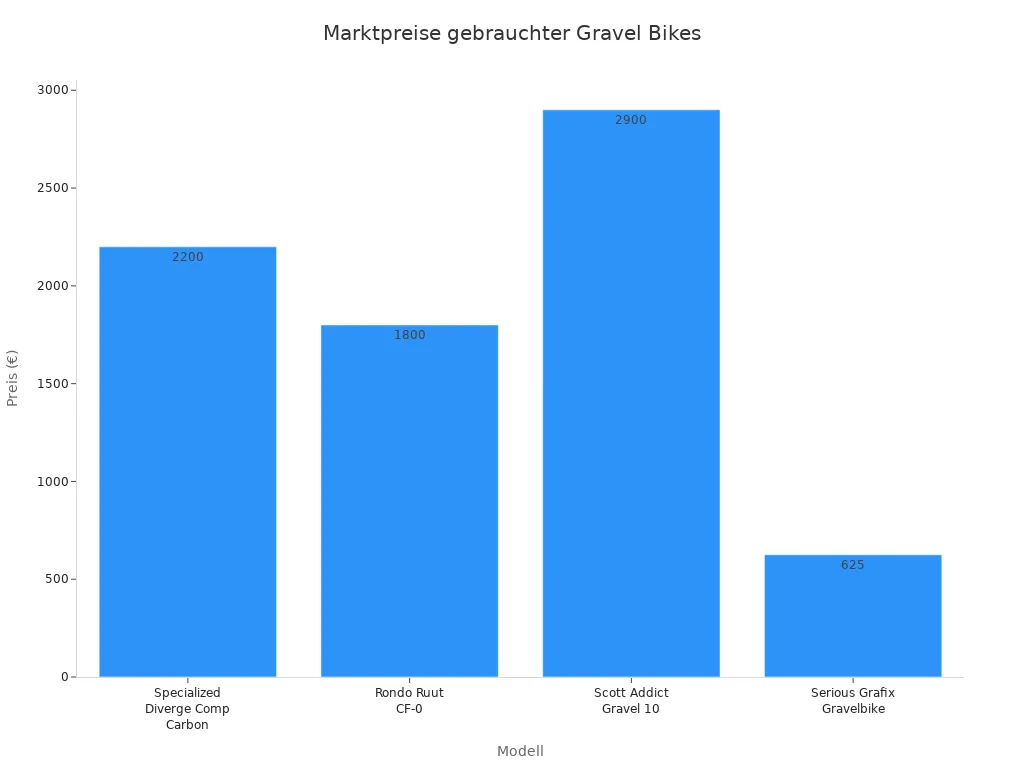
You will often find large price differences between private sales and dealer offers. Private sellers usually offer used bikes at a lower price than dealers. Dealers often sell new or inspected bikes with a warranty, which increases the price.
Offer type |
Example model |
Condition |
Price (€) |
|---|---|---|---|
Private sale |
Ibis Cycles Hakklügi Disc |
used |
490 - 650 |
Private sale |
Kona Rove Ltd frameset |
used |
699 |
Private sale |
Salsa Cycles Warbird V4 frameset |
used |
1,500 |
Private sale |
Santa Cruz Bicycles Stigmata |
used |
1,500 |
Dealer offer |
Santa Cruz Bicycles Stigmata 4 CC |
new |
2,899 |
Dealer offer |
Basic Bikes frameset 'Gravel' |
new |
1,190 |
Dealer offer |
Scott Addict 10 gravel |
new |
1,100 |
Dealer offer |
KTM Strada Prime Disc frameset |
new |
849 |
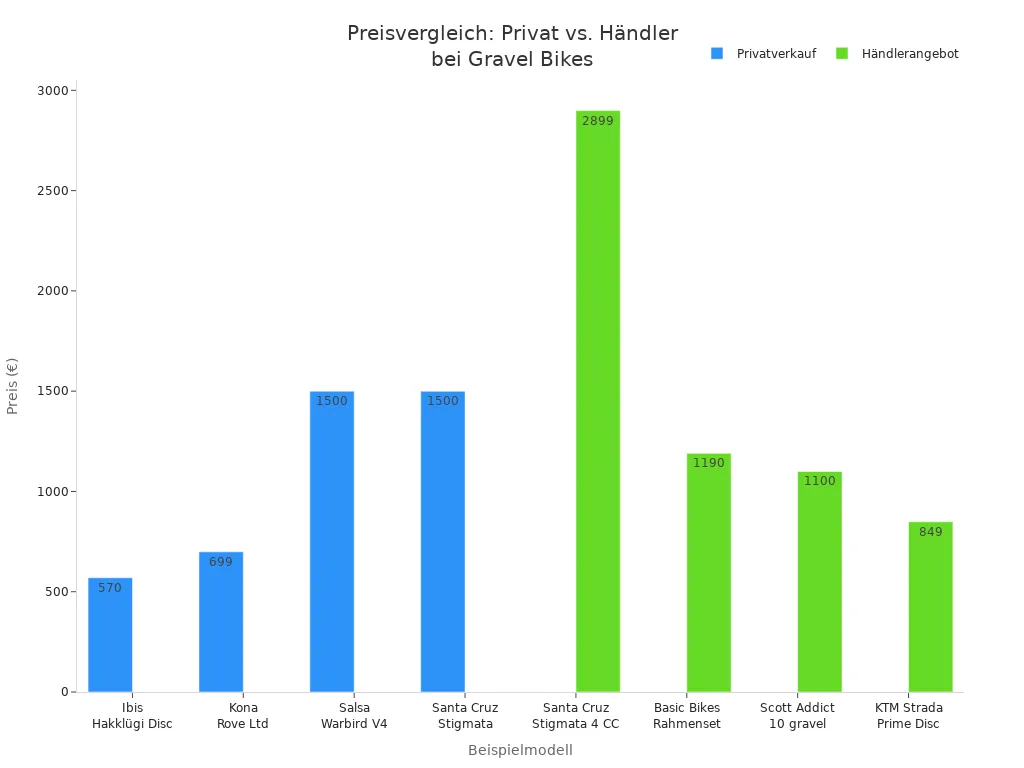
Tip: For intensive use, you should aim for mid-range models starting at around 1,500 euros. Always check if the price is reasonable compared to similar listings.
Don't forget to factor in potential additional costs for repairs or new wear parts. A cheap deal can quickly become expensive due to high subsequent costs.
Use online tools
You can use online tools to quickly estimate the value of your desired bike. The buycycle price calculator is particularly helpful for this. You simply enter the bike type, specifications, and components. The tool will then show you a realistic market value. Buycycle also offers a large database of comparative values and a "Sold" section, where you can find real sale prices.
Benefit: Buycycle is considered Europe's largest bicycle marketplace with certified listings and buyer protection. This makes the price information particularly reliable.
Besides buycycle, you should also look for similar models on platforms like eBay or in cycling forums. This will give you an even better feel for the current market value, especially for rare or older models.
If you want to buy a used gravel bike, these tools and price comparisons will help you realistically assess the value and identify a fair deal.
Buy safely
Check the seller
You should always check whether the seller is trustworthy. This is how you protect yourself against fraud and bad purchases. Proceed step-by-step:
Look for a detailed item description and many photos. Good sellers also openly show minor signs of wear.
Check the seller's ratings if you are buying on an online platform. Many positive ratings are an indication of reliability.
Ask about the service history: How long was the gravel bike ridden? Has it been serviced regularly? Is an invoice available?
Ask for the serial number. Compare it with online databases or ask the police if the bike has been reported stolen.
Insist on a written bill of sale. This should include the frame number, condition, purchase price, as well as name and address.
Arrange a personal viewing and a test ride. This way, you can identify defects and assess the seller directly.
If important information or pictures are missing, ask specifically about them. A reputable seller will answer openly and honestly.
When meeting in unfamiliar places, the seller should provide a good reason. Be cautious if something seems strange to you.
Tip: Buying from friends or club members is often particularly safe. Here, you know the history of the bike.
Original parts
Original parts ensure the safety and value retention of your gravel bike. Non-original or counterfeit parts can be dangerous and can void the manufacturer's warranty. This can become expensive in the event of damage.
Counterfeit carbon parts, often with well-known brand logos, usually do not meet safety standards. They can break under load and cause serious accidents.
You should only buy safety-relevant parts such as handlebars, rims, forks, seat posts, cranks, and frames from verified sources.
Small accessories like mounts are less critical, but quality counts for important components.
Typical characteristics of counterfeit parts are cheap no-name hubs, incorrect serial numbers as stickers, and noticeably high weight.
Note: Always check the warranty conditions and ask the manufacturer in case of doubt. Original documents like warranty cards and service booklets give you additional security.
You can find a good used gravel bike if you proceed systematically.
Check the condition in person and take a test ride.
Look for a clean service history and the youngest possible age.
-
Define your needs and set a budget.
Tip: The more thoroughly you check, the lower the risk of a bad purchase. Use a checklist and test the bike yourself to be sure.
FAQ
How do you detect hidden damage on a gravel bike?
You check the frame for cracks and dents. You listen for unusual noises during the test ride. You ask the seller about crashes or repairs. A professional can detect hidden damage.
Tip: Use a flashlight to check dark areas on the frame.
Which documents should you request when buying?
You request the original invoice, the service history, and the frame number. These documents help you to rule out theft and check the value.
Document |
Why important? |
|---|---|
Invoice |
Proof of ownership |
Service booklet |
Maintenance history |
Frame number |
Theft protection |
How can you estimate the price of a used gravel bike?
You compare similar models on online platforms. You use price calculators like buycycle. You take condition, age, and equipment into account.
Note: Always factor in additional costs for repairs.
What should you keep in mind during a test ride?
You test the brakes and the gears. You pay attention to the ride feel and check if the bike fits your body size. You listen for rattling or grinding.
Test brakes thoroughly
Shift through all gears
Check riding position