
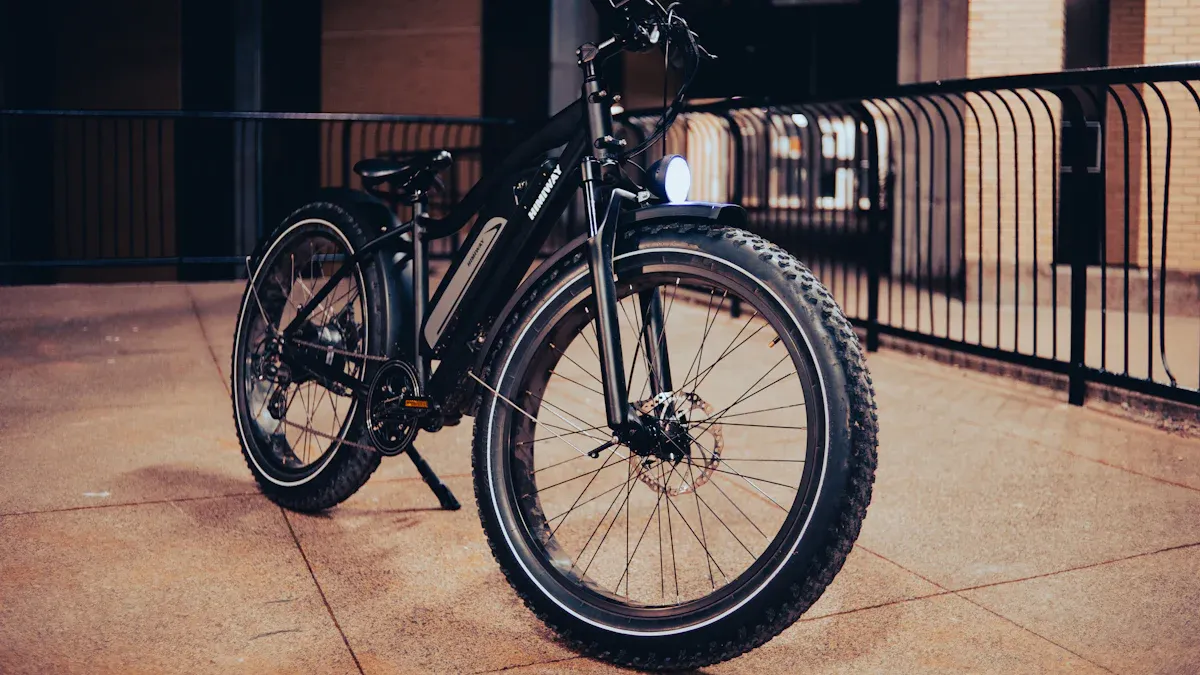
Are you looking to buy used e-bikes? Then you should take a close look. Carefully check the battery, motor, frame, brakes, chain, and all wear-and-tear parts. A test ride will show you whether everything is working correctly. Always ask for documents such as invoices or maintenance records. Many owners clean their e-bike regularly and keep up with maintenance. This significantly extends the lifespan of the components, reducing the risk of having to pay for expensive repairs later.
Key takeaways
Carefully check the battery, motor, frame, and wear-and-tear parts to find a reliable used e-bike.
Use a test ride and a diagnostic report to realistically test the function and condition of the e-bike.
Buy from reputable dealers for more security and warranty, or from private individuals if you are aware of the risks and want to save money.
Pay attention to depreciation and the state of maintenance to find a fair price for your used e-bike.
With a used e-bike, you save money and protect the environment through lower CO₂ emissions and less electronic waste.
Advantages & Risks
Advantages
When you decide on a used e-bike, you benefit from many advantages. Not only do you save money, but you also do something for the environment.
Refurbishing a used e-bike generates only about 7% of the CO₂ emissions compared to producing a new model. This means that only 16 kg of CO₂ is produced during refurbishment, whereas a new e-bike generates about 220 kg of CO₂.
Refurbished e-bikes save around 3,195 tons of CO₂ every year. This helps to slow down climate change.
During operation, an e-bike emits only about 15 g of CO₂ per kilometer. This is much less than cars or buses.
You can save up to 60% compared to a new model when buying. This protects your budget.
More and more people in Germany are opting for refurbished products. Already 13% buy them regularly, and half of the population is considering it.
With a used e-bike, you extend the product's lifespan. You help avoid electronic waste and support the circular economy.
Tip: With a used e-bike, you can experience sustainable mobility while saving money at the same time.
Risks
Of course, there are also risks when buying a used e-bike. You should be aware of them to avoid nasty surprises.
The battery may have already gone through many charging cycles. Its performance decreases over time.
Wear-and-tear parts like the chain, brakes, or tires may be heavily worn. This increases repair costs.
There is a danger that the e-bike might be stolen. Always check the frame number and demand documentation.
The electronics may have hidden defects. Faults in the motor or display are often difficult to detect.
When buying privately, there is usually no warranty. You bear the risk alone.
Note: Always check the e-bike thoroughly and have all important documents shown to you. This protects you from expensive mistakes.
Used e-bikes: Checkpoints
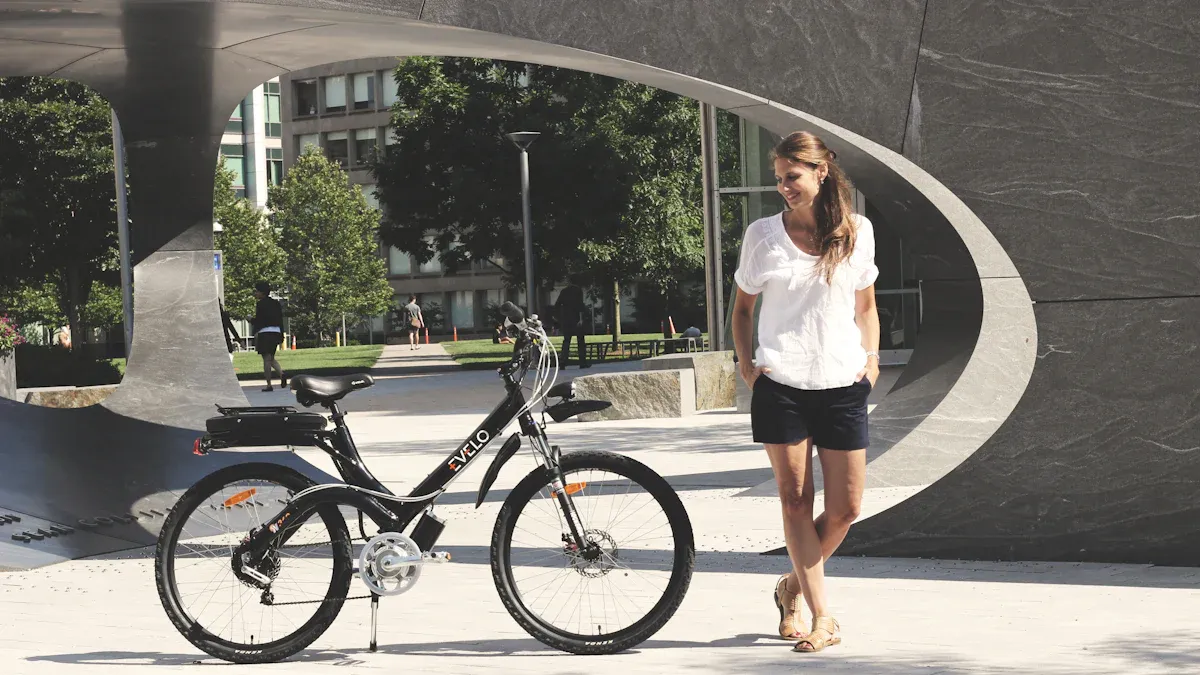
Battery & Motor
The battery and motor are the most expensive and important parts of used e-bikes. You should check both components carefully before deciding to purchase.
Check the battery:
A battery ages over time. Its lifespan is usually between 5 and 9 years if you maintain it well. After about 500 charging cycles – which corresponds to roughly 21,000 kilometers – the capacity often drops to around 66% of its original value. This means you can no longer ride as far on a single charge as you could at the beginning.
Ask to see the number of charging cycles. Specialized dealers can read this number using special software. A current diagnostic report will provide you with information about the condition and capacity of the battery.
Also check the battery for external damage such as scratches, dents, or rust.
A multimeter measures voltage, current, and resistance more accurately than the built-in battery management system. If you are unsure, you should ask an expert.Check the motor:
Electric motors have fewer wear-and-tear parts than other components. They often last 5 to 10 years or at least 10,000 kilometers. Nevertheless, you should test the motor.
Listen for unusual noises and check the function in all support levels. A diagnostic report from the dealer will show you the operating hours and the condition of the transmission.
For some motors, such as BROSE, the condition of the belt provides clues about wear.
Tip: Always have the battery and motor checked at a specialized workshop if you are unsure. This is the safest way to proceed.
Component |
Lifespan / Notes |
|---|---|
Battery |
5-9 years, approx. 66% capacity after 500 charging cycles, diagnostic report important |
Motor |
5-10 years or at least 10,000 km, noise and function test, diagnostic report helpful |
Frame & Wear parts
The frame forms the skeleton of your e-bike. It must be stable and free of cracks or dents. Check the frame carefully for damage, especially at weld seams and areas where the battery is attached.
Brakes: Test the brakes for function and wear. Worn brake pads or rubbing discs should be replaced.
Chain and drive: A rusty or highly stretched chain indicates high wear. Also check the sprockets and the chainring.
Tires: Check the tread and look for cracks or foreign objects.
Suspension: If the e-bike has a suspension fork or shock absorbers, check them for function and leaks.
Note: Wear-and-tear parts like brakes, the chain, and tires are usually easy to replace. Major damage to the frame often means high repair costs.
Electronics & Documentation
The electronics control many functions in used e-bikes. You should test all electronic components.
Display: Check whether the display shows all information correctly. Test the operation of the buttons.
Lighting system: Switch the lights on and off. Check if the front and rear lights are working.
Sensors: Test whether the support kicks in evenly while pedaling.
Test ride: Ride the e-bike at different support levels and speeds. This will reveal any faults in the motor, battery, or gears.
Diagnostic report: A current report from a dealer shows charging cycles, battery condition, and transmission. Bosch, for example, offers an online battery check that you can use to check the serial number and potential defects.
Documents: Always ask to see the invoice, maintenance records, and the service booklet. This tells you whether the e-bike has been regularly maintained.
Caution: Tampering with the battery, such as opening or modifying it, can jeopardize safety. Only buy e-bikes with complete and authentic documents.
Value & Price
Depreciation
If you want to buy used e-bikes, you should be aware of depreciation. E-bikes lose a portion of their value every year. In the first year, the price often drops by 20 to 30 percent. After three years, the depreciation is already around 40 to 50 percent. After five years, usually only a small portion of the original price remains.
Age of the e-bike (years) |
Average depreciation (%) |
|---|---|
1 |
20–30 |
2 |
30–40 |
3 |
40–50 |
4 |
50–60 |
5 |
60–70 |
Tip: An e-bike with an original price of 2,500 euros is often worth only around 1,000 to 1,500 euros after three years.
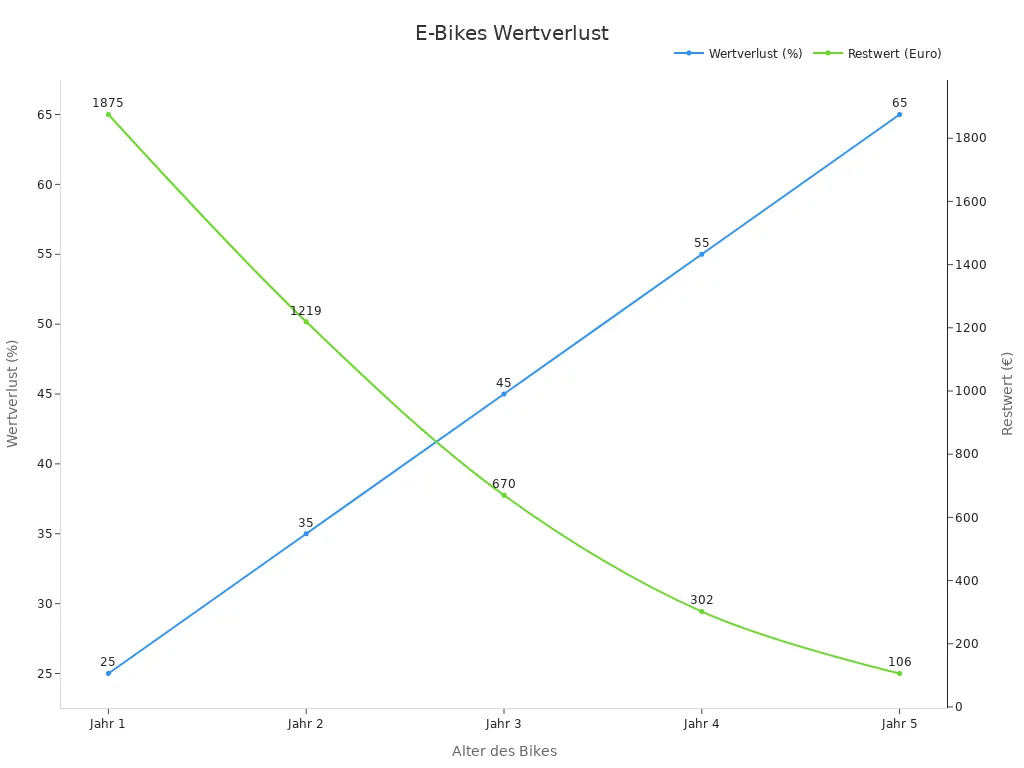
Depreciation does not only depend on age. The brand, the condition of the battery, and the mileage also play a role. A well-maintained e-bike with low mileage remains valuable for longer.
Pricing
You can better estimate the price of used e-bikes if you pay attention to a few important points:
Mileage: An e-bike with a high number of kilometers is usually cheaper. Check the information in the service booklet or on the display.
Condition of maintenance: A clean, well-maintained bike fetches a higher price. Pay attention to scratches, rust, and the condition of wear-and-tear parts.
Battery condition: The state of health (SoH) of the battery shows how much capacity is left. A value of 75 percent means you have only three-quarters of the original range.
History: Former rental bikes often lose value faster. They usually have many kilometers and show more wear.
Valuation portals use this data to calculate a fair price. Dealers often charge more, but they offer warranties and tested technology. Private sales are cheaper, but they carry more risk.
Note: Always compare several offers and check the history of the e-bike. This is how you find the best price for your dream bike.
Sources for purchase
Private vs. Dealer
You can buy used e-bikes either from private individuals or from a dealer. Both options have advantages and disadvantages. Dealers offer you more security. They are required to provide a statutory warranty. This is usually valid for one year and covers material defects, but generally not wear-and-tear parts. Many dealers also provide an additional warranty, often even on the battery. Used e-bikes from a dealer are often refurbished. Wear-and-tear parts are tested or replaced. The statutory liability for material defects is generally two years, but it can be reduced to one year for used purchases. This must be stated in the purchase contract.
When buying privately, you often pay less. Private sellers can exclude the warranty. This is then stated in the contract, for example with the sentence:
You only have claims if the seller intentionally conceals defects. You must accept signs of wear that correspond to the age of the bike.
Purchase source |
Price |
Warranty/Guarantee |
Condition |
|---|---|---|---|
Dealer |
Higher |
1 year (minimum) |
Tested/refurbished |
Private |
Cheaper |
Usually excluded |
Varies |
Portals & Security
You can find many used e-bikes on online portals. Pay attention to reputable providers and quality seals. Read the reviews of other buyers. Always demand complete documentation such as receipts and maintenance records.
Check the frame number of the e-bike. It is usually located on the frame tube, seat post, or bottom bracket. The frame number is like a fingerprint for your bike. It helps to identify stolen bicycles. In Germany, around 260,000 bicycles were stolen in 2020. The clearance rate is only about 10%. Register your e-bike in the bicycle passport or a central register. There, you can store the frame number, receipts, and photos. This protects you from fraud and helps in the event of theft.
Tip: Use modern apps or online platforms to check the frame number. This ensures that the e-bike has not been reported as stolen.
Test ride
Test points
A test ride is the most important step when you want to test used e-bikes. You will immediately feel whether the bike suits you and whether all functions are working perfectly. Experts recommend riding a longer distance. This way, you will recognize how the motor, battery, and gears behave in everyday use.
Before you set off, check the most important components:
Check the motor. Listen for unusual noises and test the support in all levels.
Check the brakes. They must grip firmly and should not rub.
Test the gear shifting. All gears should change easily and without jerking.
Check the battery. Observe whether the charge level changes normally while riding.
Check the electronics. The display, lighting system, and sensors must be functional.
Check the tires for tread and air pressure.
Pay attention to how the bike feels. The bike should not wobble or rattle.
Many buyers also pay attention to how well the e-bike has been maintained. Clean hubs and a well-kept frame indicate that the previous owner treated the bike well. Old, sticky oil residue on the chain suggests neglect.
Tip: Ask the dealer for a diagnostic report. It provides information about battery health, charge cycles, and the drive system.
Final check
After the test ride, you should perform one last safety check. Use this table to ensure you don't forget anything:
Inspection category |
What you should do |
Why it is important |
|---|---|---|
Mechanics |
Lift the bike slightly and drop it; listen for rattling |
Detect loose parts |
Motor & battery |
Check the motor for noise, have the battery read out |
Assess function and aging |
Gears |
Check the chain and sprockets for wear |
Ensure smooth shifting |
Brakes |
Inspect pads and discs |
Test braking performance |
Wheels |
Check rims and spokes for damage |
Safety while riding |
Electronics |
Test the display, lights, and sensors |
Ensure system function |
Frame |
Look for cracks, dents, and touch-up paint |
Stability and safety |
Maintenance records |
Check service booklet and diagnostic report |
Verify regular maintenance |
If you follow all these points, you will quickly find out if used e-bikes are in good condition. This way, you protect yourself from nasty surprises and can start riding safely.
If you want to buy used e-bikes, you should take the time for a thorough inspection. Use a checklist so you don't forget the following points:
Choose the right frame size and bike type
Check battery condition, charge cycles, and the original charger
Carefully examine the frame, brakes, tires, and electronics
Go for a test ride to realistically test the motor, gears, and brakes
Request the service booklet, proof of purchase, and accessories
A well-inspected e-bike offers you safety, saves money, and ensures sustainable mobility. This is how you make a smart and safe decision.
FAQ
How can you tell if the battery is still good?
You can check the capacity with a diagnostic report. Ask about the number of charge cycles. A battery with fewer than 500 charge cycles usually lasts longer. Look for visible damage. When in doubt, have the battery tested by a specialist dealer.
What should you consider when buying online?
Look for reputable portals and quality seals. Read reviews from other buyers. Always ask for the frame number and all documents. Check if the e-bike has been reported stolen. Never pay in advance if you do not trust the seller.
Is there a warranty when buying from a private seller?
When buying privately, there is usually no warranty. You bear the risk yourself. Dealers often offer a statutory warranty of at least one year. Check the sales contract carefully. Ask for a written confirmation if you are unsure.
How do you find the right frame size?
Measure your inseam and compare it with the manufacturer's size chart. Try the e-bike out. Make sure that you are sitting comfortably and can ride safely. A frame that is too small or too large makes riding uncomfortable and unsafe.