
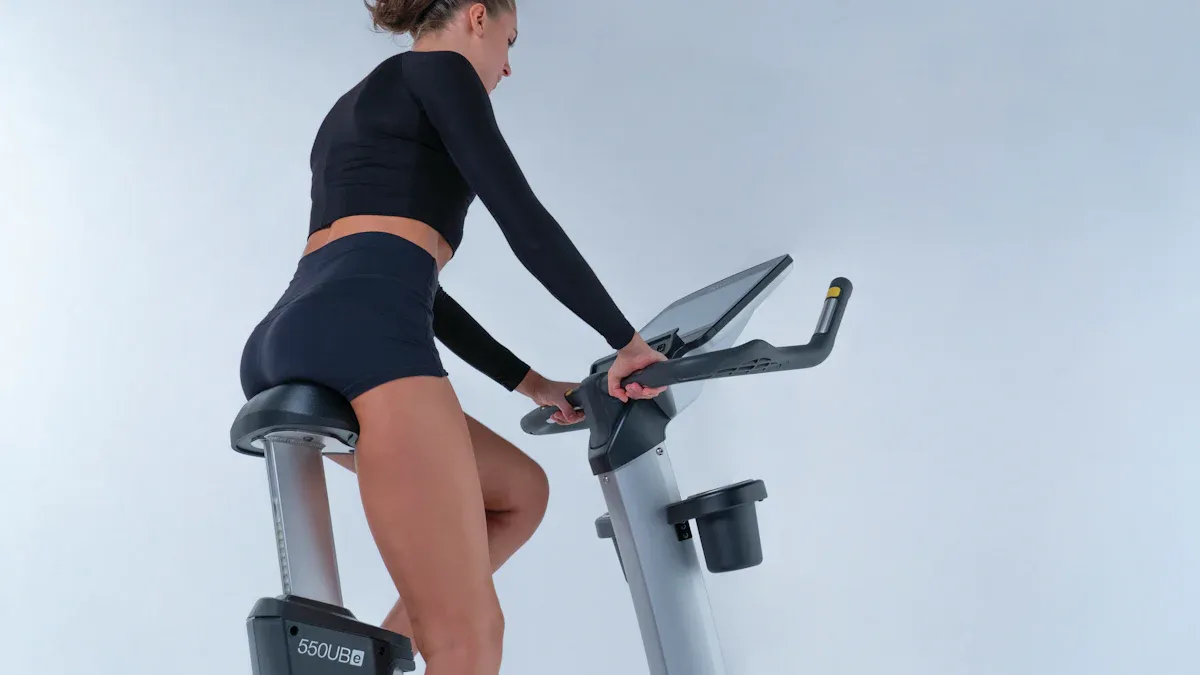
Are you wondering which bike better suits your training goals? If you want to specifically increase your endurance, leg strength, or fat burning, then a fitness bike with its sporty riding position and focus on interval training will bring you quick success. If, on the other hand, you want more variety, a full-body workout, and mental refreshment, the classic bicycle with its upright posture and outdoor comfort offers a genuine experience. Consider what is more important to you: intense indoor workouts or versatile exercise outdoors.
Key Findings
Fitness bikes offer an upright seating position and are ideal for targeted endurance and interval training, especially indoors or on paved paths.
Traditional bicycles are versatile and suitable for various types of terrain, offer more comfort on uneven paths, and promote balance and full-body training.
For everyday use, fitness bikes are lightweight, sporty, and practical, while city and trekking bikes offer more storage space and comfort for longer trips.
Your training goals determine the best choice: fitness bikes provide quick progress and controlled training, while traditional bikes combine sport with an outdoor experience and mental refreshment.
Regular maintenance and correct use ensure safety and long-lasting riding pleasure for both types of bicycles.
Overview of Differences
Frame and Geometry
Here you can see the most important differences between a fitness bike and a traditional road bike at a glance:
Feature |
Road Bike |
Fitness Bike |
|---|---|---|
Frame |
Sporty, narrow, aerodynamic |
Sporty, narrow, aerodynamic, but less sporty, more upright seating posture |
Handlebars |
Curved drop handlebars |
Straight flat-bar handlebars for better control and narrower riding style |
Seating position |
Aggressive, aerodynamic, variable |
More upright, more comfortable |
Gearing |
Specially optimized road bike gearing |
Simpler gearing similar to trekking or mountain bikes |
Use case |
Endurance sports, long rides |
Leisure rides to endurance sports |
You will quickly notice: The fitness bike offers you a more relaxed geometry. You sit more upright and enjoy more comfort, especially on longer routes. The classic road bike, on the other hand, relies on an aggressive posture and maximum speed.
Handlebars and Seating Position
The handlebars make a big difference. With a road bike, you hold onto curved handlebars. This gives you many grip positions and helps you ride aerodynamically. The fitness bike has straight handlebars. This gives you more control and you automatically sit more upright.
Tip: An upright seating position is easy on your back and joints. You feel less pressure on your shoulders and neck. This offers real advantages, especially for longer rides or if you frequently experience tension.
Many fitness bikes can be adjusted individually. You set the saddle and handlebar height so that you feel comfortable. The classic road bike remains sporty and demands more flexibility from you.
Tires and Comfort
The tires influence how you feel on the bike:
Narrow tires roll quickly but offer less comfort. You feel bumps more strongly.
Wider tires dampen better and give you more grip. They are slower but make the ride more pleasant.
Air pressure plays a major role: High pressure ensures speed, low pressure ensures more damping.
The tread decides whether you prefer to be on asphalt or also on gravel occasionally.
If you value comfort, choose wider tires. For speed and sporty riding, narrow tires suit you better.
Fitness Bike Characteristics
Comfort and Everyday Life
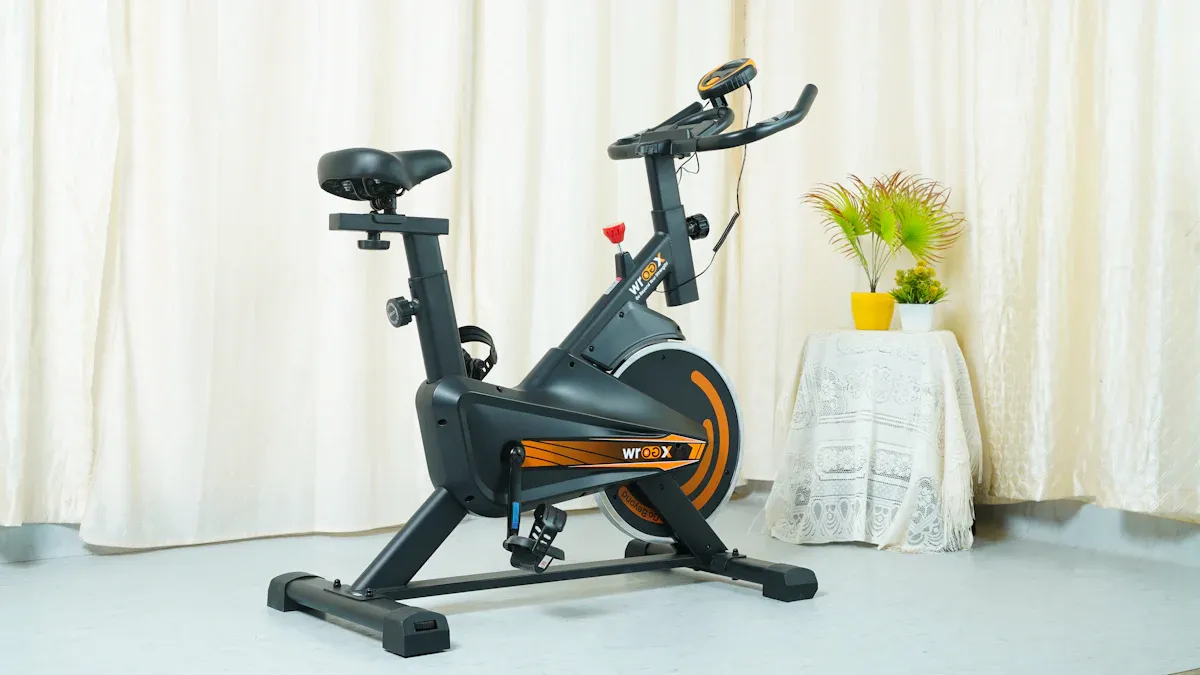
Are you looking for a bike that gets you through everyday life comfortably? A fitness bike makes your life easier. Here are the most important characteristics that help you in everyday life:
You sit more upright than on a road bike. This is easy on your back and gives you a better overview of road traffic.
The tires are wider than those of classic road bikes. This ensures more comfort and safety, especially on paved paths.
Many models can be equipped with mudguards. This way, you stay clean even in the rain.
The construction is lightweight and sporty, but not too extreme. You can easily transport the bike or take it on the train.
Aspect |
Rating / Description |
|---|---|
Very pleasant and easy to ride, especially due to the upright seating position. |
|
Suspension |
Some models offer suspension on the front fork for more comfort. |
Comparison to road bikes |
More comfort and everyday suitability, less hunched-over posture. |
Versatility |
Suitable for commuting, leisure, and family trips; accessories like child seats are possible. |
Tip: If you are looking for a bike for your daily commute to work or for relaxed trips, a fitness bike is a great choice.
Training Benefits
You can really pick up the pace with a fitness bike. The combination of a lightweight frame and sporty riding position helps you improve your endurance. You can adjust the resistance individually to specifically train your leg and gluteal muscles. Many use the fitness bike for interval training or cardio workouts because it helps you break a sweat quickly and boost your stamina.
Indoor models often offer interactive training programs. You can see your performance directly on the screen.
You can perform targeted interval training to increase your endurance and muscle strength.
The training is quiet and comfortable, perfect for longer sessions at home.
Direct power transmission ensures a sporty riding feel, whether you are training outside or inside.
A fitness bike is great if you want to improve your fitness, build muscle, or simply bring more movement into your daily life.
Limitations
Of course, a fitness bike also has its limits. It is less suitable for long tours or extreme terrain. The narrow tires and straight handlebars make it ideal for the road, but not for off-road adventures. If you have very intense training goals, you might reach the performance limit with some models, for example in terms of maximum wattage. Indoor models often lack a freewheel, which can be unfamiliar for beginners.
Fitness bikes are made for paved paths, not for rugged terrain.
For very long or intense rides, a more robust bike might make more sense.
Some models do not offer power measurement in watts, which can be important for ambitious athletes.
Note: Think about where and how you want to use your fitness bike. For everyday life and training on the road, it is top-notch; for off-road adventures, there are better alternatives.
Traditional Bicycles
Types and Usage
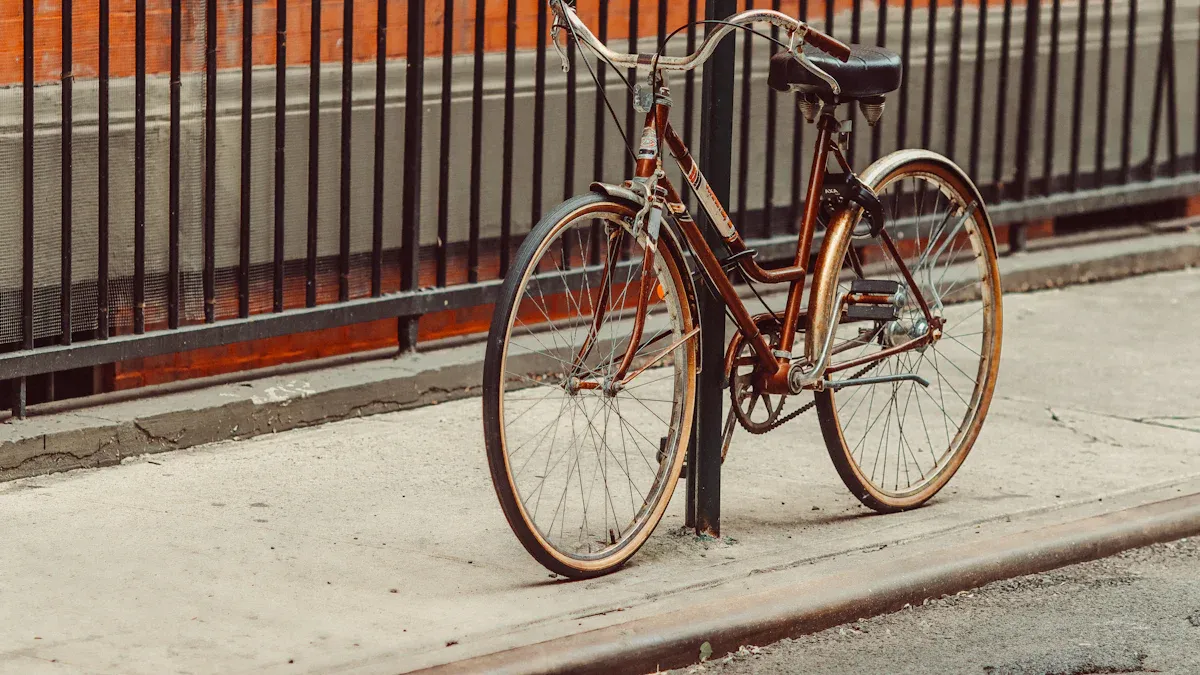
You have many options when choosing a traditional bicycle. Each type brings its own advantages. Here is an overview:
Mountain Bike (Full-suspension/Hardtail): Wide tires, suspension, straight handlebars. Perfect for trails, forest paths, and downhill.
City Bike: Upright seating position, mudguards, lighting. Great for short distances in the city.
Trekking Bike: Sporty seating position, luggage rack, mudguards. Ideal for longer tours and commuting.
Cross Bike: Sleek, suspension fork, 28-inch tires. Good for fast rides on asphalt and gravel.
Dutch Bike: Retro design, wide saddle, hub gears. Comfortable for the city and nature.
Folding Bike/Compact Bike: Foldable, compact. Practical for commuters and traveling.
Features / Description |
Usage / Suitable for |
|
|---|---|---|
Mountain Bike |
Wide tires, suspension, robust frame |
Off-road, trails, downhill |
Trekking Bike |
Luggage rack, mudguards, sporty seating position |
Bicycle touring, commuting, longer distances |
City Bike |
Comfortable, low-maintenance, upright seating position |
City, everyday life, short distances |
Cross Bike |
Sleek, suspension fork, fast tires |
Asphalt, gravel, forest paths |
Dutch Bike |
Retro look, wide saddle, chain guard |
Leisurely rides, city, nature |
Folding/Compact Bike |
Foldable, compact, small wheels |
Commuting, traveling, space-saving |
You can choose the right bike for your everyday life, sport, or adventure. Every model has its strengths.
Performance and Speed
Traditional bicycles offer you many training opportunities. You can ride outside and improve speed, strength, and endurance. Performance depends on your riding style, the terrain, and the bicycle type. Road bikes are particularly fast and are suitable for long distances. Trekking bikes offer comfort and are robust for different surfaces. City bikes are built for city traffic and are less sporty.
With outdoor bikes, you reach high speeds, especially on flat roads.
You train not only your legs but also your balance and body awareness.
Speed depends on your strength, the weight of the bike, and the surface.
Lightweight bikes are more agile but often less practical in everyday life.
Trekking bikes are heavier but offer more comfort and storage space.
The right cadence and gear choice help you ride efficiently.
Tip: If you are looking for variety and nature, outdoor training with a traditional bicycle brings many benefits for body and mind.
Disadvantages
Of course, there are also weaknesses in traditional bicycles. You should know them before you decide.
Heavier models like trekking bikes require more strength, especially uphill.
Lightweight road bikes are often expensive and less suitable for everyday use because they have hardly any accessories.
Mountain bikes are robust but not ideal for carrying luggage.
Without mudguards and a luggage rack, everyday life becomes more difficult, especially in bad weather.
Maintenance and care are important so that your bike lasts a long time.
Not every bike fits every area of use. You have to consider what you really need.
As you can see: every bicycle has advantages and disadvantages. Consider how you want to use your bike so that you can enjoy it for a long time.
Comparison of Both Bicycle Types
Comfort
Do you want to travel comfortably? Then comfort plays a major role for you. A fitness bike offers you an upright, ergonomic seating position. Your back remains straight, your spine is relieved. This makes longer rides much more pleasant. You can adjust the saddle and handlebars individually so that you do not get any pain. The thin tires save energy because they have less rolling resistance. Short handlebars ensure good control, especially in the city.
Traditional bicycles like city bikes or trekking bikes focus on everyday suitability. They often have wider tires and sometimes suspension. This brings you more comfort on uneven paths. Mountain bikes are built for rough terrain, but on long distances, you sometimes feel less comfort.
-
Advantages of a fitness bike in terms of comfort:
Ergonomic seating posture
Individual adjustment possible
Lightweight frame for efficient riding
Good maneuverability
Advantages of traditional bicycles:
Wider tires for more cushioning
Suspension for bumpy paths
Practical features for everyday use
Tip: If you often ride long distances or value a pain-free posture, you should try out a fitness bike. For short trips in the city or on forest paths, traditional bikes are often more comfortable.
Versatility
Would you like to use your bicycle for various purposes? Then versatility is important. Fitness bikes are true all-rounders for everyday life and training. You can ride them on asphalt, bike paths, and even on light forest sections. Many models can be equipped with child seats or trailers. This makes them ideal for family excursions and leisure rides.
Traditional bicycles offer you even more variety. City bikes are perfect for the city and running errands. Trekking bikes are suitable for long tours and country roads. Mountain bikes are the right choice for difficult terrain. Cross bikes are all-rounders for leisurely tours, but not for extreme terrain.
Here you can see the most important bicycle types and their areas of use:
Bicycle type |
Areas of use |
Features and advantages |
|---|---|---|
Trekking bike |
City, country, leisure |
Multitalent for roads, forest paths, gravel tracks; suitable for long tours and versatile use |
Gravel bike |
Road, moderate terrain |
Flexible for sporty laps and everyday use; ideal for changing surfaces |
City bike |
Urban (city) |
Comfortable, practical for everyday life, with luggage rack, ideal for short distances and shopping |
Mountain bike |
Rough terrain |
For difficult terrain, less suitable for city and everyday use |
Cross bike |
Country roads, forest (lighter terrain) |
All-rounder for leisurely longer tours, not suitable for difficult terrain |
Note: Consider where you ride the most. A fitness bike is a great fit for everyday life and sporty rides. For adventures in the terrain or long tours, traditional bicycles are often better suited.
Training goals
Do you have specific training goals? Then you should take a closer look. With a fitness bike, you can increase your endurance and specifically burn calories. The sporty seating posture and individually adjustable resistance make the training effective. You can even ride while standing, which challenges your muscles even more. This is particularly practical if you train indoors or want to see rapid progress.
Traditional bicycles offer you different possibilities. You train outside, enjoy nature, and strengthen not only your legs but also your balance. Road bikes are ideal for speed and long distances. Mountain bikes take you into the terrain and challenge your strength and technique. Trekking bikes are perfect for endurance and longer tours.
-
With a fitness bike, you achieve:
Rapid progress in endurance and strength
Flexible training, also indoors
-
With traditional bicycles, you achieve:
Full-body workout through balance and technique
Mental freshness through outdoor exercise
Versatile training opportunities depending on the bicycle type
Tip: Consider whether you prefer to train indoors and want quick results, or if you want to be out and about and enjoy nature. Your training goal decides which bicycle type suits you better.
Recommendations
Endurance
Do you want to improve your endurance? Then you are well-positioned with both bicycle types. A fitness bike is great if you want to train in a targeted manner and regardless of the weather. You can do intervals, adjust the resistance, and see your progress directly on the display. This motivates and helps you to stay on track. Particularly practical: You can train even when it rains or snows outside.
If you prefer to ride outside, a traditional bicycle brings you many advantages. You strengthen your cardiovascular system, breathe fresh air, and enjoy nature. Changing routes challenge your body again and again. Long rides on a trekking bike or road bike really get you moving.
Tip: If you love variety and nature, choose outdoor training. If you want to train regardless of the weather and see rapid progress, the fitness bike is a great choice.
Everyday life
Are you looking for a bike for everyday life? Then it comes down to comfort, versatility, and easy handling. A fitness bike scores points with an upright seating position and a lightweight frame. You can ride relaxed to work, to the store, or to the gym. Many models can be equipped with mudguards and luggage racks. This makes them practical for daily use.
Traditional bicycles like city bikes or trekking bikes offer you even more storage space and comfort. You can easily transport groceries or take children with you. The wide tires and the suspension ensure a pleasant riding experience, even on bumpy paths.
For short distances in the city: City bike or fitness bike
For longer routes and more luggage: Trekking bike
For maximum flexibility: Folding bike
Think about how you want to use your bike in everyday life. A fitness bike is lightweight and sporty, a city bike particularly comfortable.
Competition
Do you have sporty ambitions and want to measure yourself against others? Then it comes down to performance, speed, and technique. With a fitness bike, you can work specifically on your endurance and strength. The ability to regulate resistance and do interval training helps you increase your performance. Many use indoor training as a supplement to outdoor sports to specifically work on weaknesses.
For real competitions outdoors, you usually need a specialized bike. Road bikes are built for speed and carry you forward on long distances. Mountain bikes are perfect for demanding trails and technical courses. Cross bikes and gravel bikes offer you versatility if you want to ride on different surfaces.
Target group |
Recommended bike |
Advantages for competition |
|---|---|---|
Road racing |
Road bike |
Maximum speed, aerodynamic posture |
Triathlon/Indoor |
Fitness bike |
Controlled training, targeted performance increase |
MTB racing |
Mountain bike |
Robustness, technical training, off-road capability |
Tip: Use the fitness bike for targeted training and the road bike or mountain bike for the competition itself.
Health
Do you want to do something for your health? Cycling is one of the best ways to do so. Regardless of whether you ride indoors or outdoors, you strengthen your heart, improve your endurance, and get your circulation going. Studies show that you increase your cardiovascular fitness particularly effectively with a fitness bike. This is due to the controlled training and the many interval possibilities. Your leg and core muscles benefit from the targeted movements.
If you ride outdoors, you get even more benefits. You train not only your muscles but also your balance and coordination. Nature and fresh air are good for your psyche. You feel more balanced and relaxed. Furthermore, cycling outdoors promotes your mindfulness and body awareness.
Here is an overview of how both bicycle types promote your health:
Area |
Indoor/Fitness bike |
Outdoor/Traditional bicycle |
|---|---|---|
Cardiovascular |
Very effective, weather-independent |
Effective, additionally fresh air |
Muscle strength |
Legs, glutes, core can be trained in a targeted way |
Full-body workout, balance and coordination |
Fat burning |
High due to interval training |
High due to longer rides |
Psyche |
Motivation through programs and groups |
Nature experience, social contacts, relaxation |
Injury risk |
Low, but overuse possible |
Higher due to falls, but better balance |
Note: For beginners and people in rehab, the fitness bike is particularly suitable because you can adapt the training individually. Outdoor riding gives you more variety and mental freshness.
Recommendations for different target groups:
Beginners: Start with a fitness bike or city bike. You can increase slowly and adapt the training to your level.
Athletes: Use the fitness bike for targeted interval training and supplement it with outdoor rides on a road bike or mountain bike.
Everyday riders: Reach for a trekking bike or city bike if you want to transport a lot. A fitness bike is ideal if you are out and about in a sporty way.
Rehab and health: Choose a fitness bike for joint-friendly, controlled training. Talk to your doctor or therapist beforehand.
You have now learned about the most important differences. Consider what is more important to you: If you want to train in a targeted manner indoors and see rapid progress, a fitness bike suits you. If you want to be out and about outdoors and experience variety, choose a traditional bicycle.
Take a moment and ask yourself: What motivates you the most? Your goals determine the best choice!
FAQ
What is the biggest difference between a fitness bike and a traditional bicycle?
You feel the difference primarily in the seating position and the riding experience. A fitness bike offers you a sporty but comfortable posture. A traditional bicycle is often more versatile and suitable for different routes.
Can I also ride a fitness bike outdoors?
Yes, you can ride outdoors with a fitness bike. It is particularly suitable for paved paths and bike lanes. For rough terrain or trails, it is better to choose a mountain bike.
Which bicycle is more suitable for beginners?
For beginners, a fitness bike or a city bike is ideal. You sit comfortably and have good control. A traditional bicycle like a trekking bike also fits if you want to ride longer distances.
Do I have to maintain my fitness bike regularly?
Yes, regular maintenance keeps your fitness bike in shape. Check the brakes, tire pressure, and the chain. This way you ride safely and enjoy your bike for longer.
Can I lose weight with both bicycle types?
Of course! Both bicycle types help you lose weight. You burn calories, strengthen your muscles, and stay fit. It is important that you ride regularly and have fun doing it. 🚴♂️