

Proper maintenance of your bicycle is crucial. It extends its lifespan, increases safety, and ensures greater riding comfort. Regular maintenance protects against wear and maintains functionality. Seasonal bicycle maintenance, in particular, helps you adapt your bike to changing weather conditions. This way, you avoid damage caused by heat, moisture, or frost. With the right care, your bike remains reliable and ready to ride – no matter the season.
Key takeaways
Clean your bike often to avoid dirt and rust. Clean it every two to three weeks, especially after rain.
Check the essential parts before every season. Take a close look at the tires, brakes, and the chain.
Use good maintenance products like chain oil and wax. These help make your bike more durable and functional for longer.
Store your bike in a dry place during the winter. This keeps it protected and ready for spring.
Have your bike checked at a workshop once a year. Experts will find damage that you might not notice.
Bicycle maintenance in spring
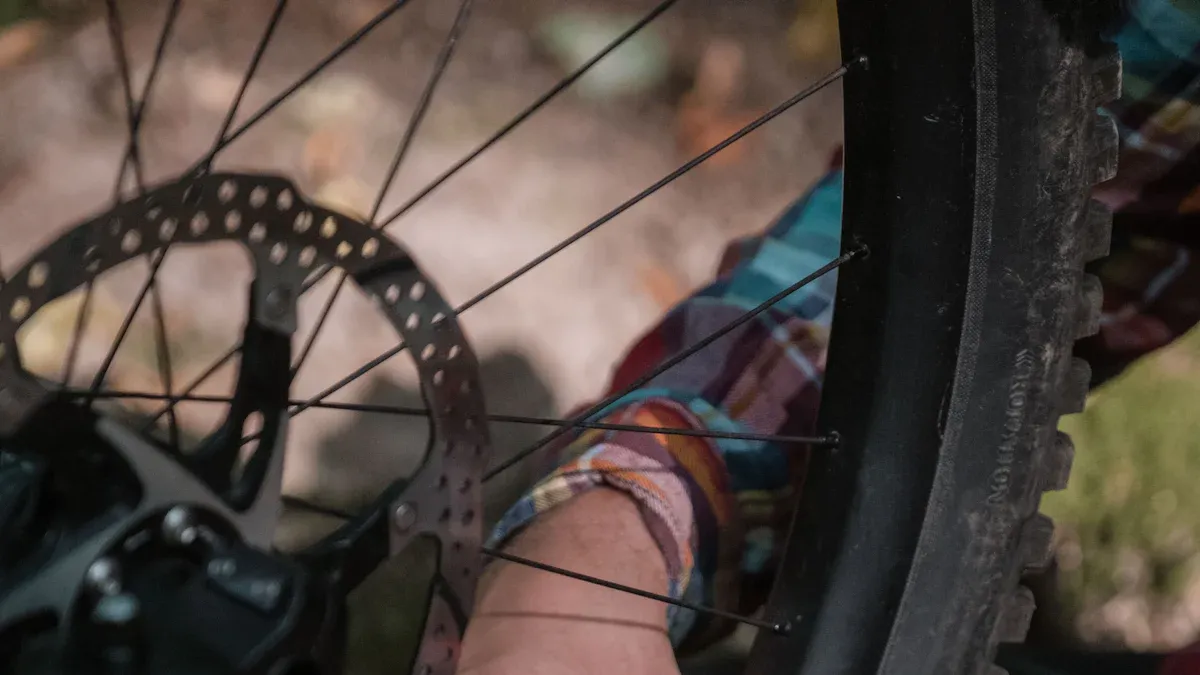
Cleaning after winter
After winter, your bike often struggles with dirt, salt, and moisture. A thorough cleaning is the first step to getting it back in top shape. Follow these steps:
Use a garden hose or a watering can to remove heavy dirt. You should avoid pressure washers, as they can damage delicate parts.
Use a soft brush to loosen stubborn grime. Pay special attention to hard-to-reach areas like the chain and the derailleur.
Clean the bike on a day without freezing temperatures, ideally in the sun. This way, it dries faster and remains protected from frost damage.
Care for your bike with high-quality cleaning agents to remove salt residue and prevent corrosion.
Don't forget to thoroughly clean the chain and then lubricate it. This ensures smooth operation and protects against wear.
Technical inspection
Following cleaning comes the technical inspection. First, check the tires. Check the air pressure and look for cracks or other damage. Then, test the brakes. Replace worn brake pads to ensure your safety.
Lubricate all moving parts such as the chain, the derailleur, and the pedals. Good lubrication reduces friction and extends the lifespan of the components. Adjust the gears so that they function precisely. Don't forget to check the lighting and reflectors as well.
Preparation for the season
Before you start the new season, tighten all screws. This applies especially to the handlebars, the saddle, and the pedals. A loose screw can become dangerous while riding.
Plan a short test ride to ensure everything is working perfectly. While doing so, listen for unusual noises or issues with shifting and braking. This way, you can start spring safely and worry-free.
Tip: Regular bicycle maintenance not only protects against damage but also increases riding comfort. With these measures, your bike remains reliable and long-lasting.
Bicycle maintenance in summer
Protection against heat and dust
In summer, heat and dust are particularly hard on your bike. Regular cleaning is therefore essential. Remove dust and dirt with a damp cloth or a soft brush. Pay attention to sensitive areas like the chain and the derailleur. These areas often collect the most dirt.
The chain requires special care in summer. Apply a suitable chain oil to keep it supple and protect it from wear. Also, check the tire pressure. High temperatures can affect the pressure in the tires. Optimal tire pressure ensures a safe and comfortable ride.
Tip: Clean your bike after every long ride, especially if you have been riding on dusty paths. This will keep it in perfect condition.
UV protection
The sun can bleach the paint of your bike and weaken the materials. Protect the frame with special protective products. Here are some recommended products:
Bicycle protective film: Provides protection against scratches and is resistant to UV radiation, salt, ice, moisture, heat, and cold.
Diawell protective film: Resists cold, heat, moisture, and UV radiation.
ZEACCT stickers: Made from high-quality PVC that is fade-resistant and durable.
Store your bike in the shade or under a cover if possible. Direct sunlight can damage not only the frame but also plastic and rubber parts. A bicycle garage or a simple tarp offers a practical solution here.
Note: With the right UV protection, your bike stays looking like new for longer and retains its value.
Bicycle maintenance in autumn
Protection against moisture and dirt
In autumn, rain, dampness, and leaves are particularly tough on your bike. These conditions increase not only wear and tear but also the risk of accidents. A thorough cleaning is therefore essential. Use mild cleaning agents and a brush to remove stubborn dirt. Make sure to clean the chain and derailleur thoroughly. After cleaning, you should lubricate all moving parts to protect them from corrosion.
Another important step is the application of protective wax. This protects the frame from moisture and prevents rust formation. Wipe your bike dry after every ride in the rain to avoid damage from moisture. Fenders are also a sensible addition. They keep dirt and splash water away and make maintenance easier for you.
Tip: With these measures, your bike will remain in optimal condition even in autumn weather.
Safety check
The safety of your bike has top priority in autumn. Check the lighting and reflectors regularly. Working lights and reflective elements increase your visibility during low light conditions. Replace defective bulbs immediately and clean the reflectors to maximize their effectiveness.
Also, check the brakes. Wet leaves and slippery roads require perfectly functioning brakes. Replace worn brake pads and ensure that the brake cables are not damaged.
Note: Reduce your speed on slippery roads and maintain sufficient distance from other road users.
Preparation for damp weather
Prepare your bike for the damp conditions of autumn. Use a weather-resistant oil to lubricate the chain and other moving parts. This oil offers additional protection against moisture and ensures smooth operation.
Mount fenders to protect yourself and your bike from dirt and splash water. This simple measure not only keeps your bike clean but also protects the drive mechanism from mud and grime.
Tip: With the right preparation, you can ride safely and comfortably even in the rain.
Bicycle maintenance in winter
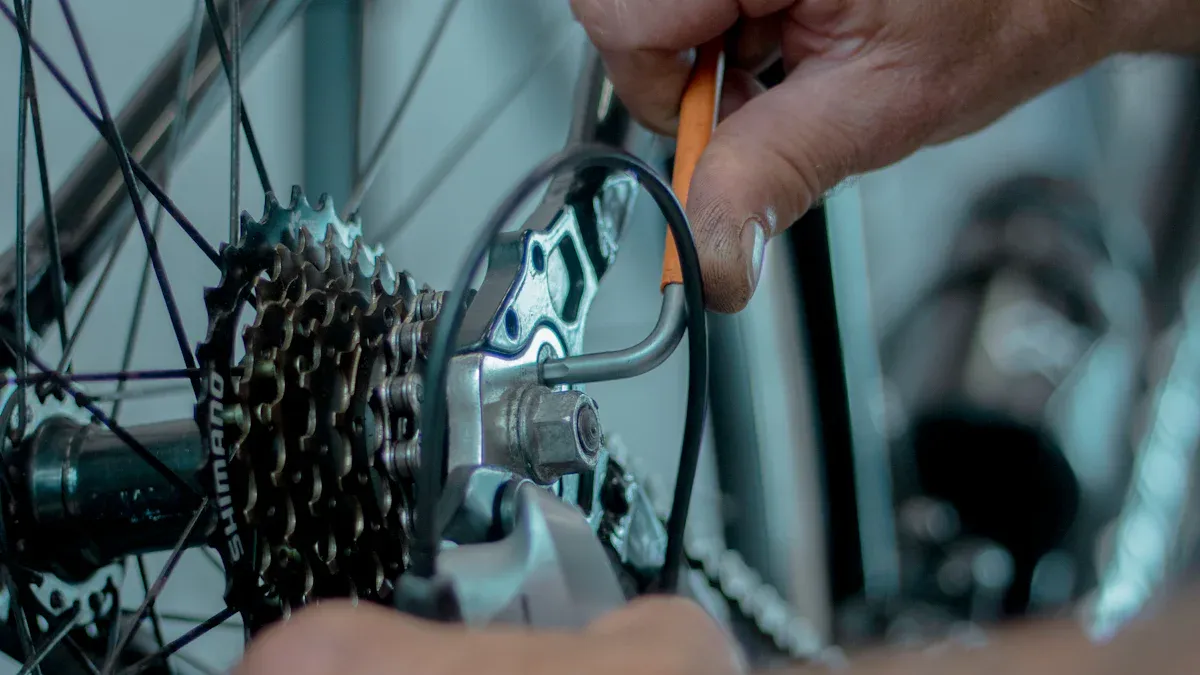
Protection against salt and snow
In winter, snow and road salt are particularly hard on your bike. These conditions promote corrosion and impair functionality. After every ride, you should clean your bike thoroughly. Remove dirt and salt with a damp cloth or a soft brush. Pay special attention to metal parts like the chain and the derailleur.
To protect your bike from rust, apply a special anti-corrosion coating after cleaning. This forms a protective layer and extends the lifespan of your bike. Check the brakes and tires regularly. Winter tires provide better grip on slippery roads and increase your safety.
Tip: Regular cleaning and the use of anti-corrosion protection are essential to make your bike winterproof.
Winter storage
If you don't use your bike during the winter, you should store it properly. Choose a dry and frost-free place, such as a garage or a basement. Blankets or tarps provide additional protection against moisture. Slightly reduce the air pressure in the tires to increase the contact area and avoid deformation.
For longer storage, partial disassembly is recommended. For example, remove the battery from an e-bike and store it at room temperature. Before storing, check all screws and connections to detect minor damage early.
Note: Careful storage preserves your bike from damage and makes the start of the next season easier.
E-bike maintenance in winter
E-bikes require special attention in winter. The battery is sensitive to cold. Store it at room temperature and only insert it shortly before the ride. After every ride, you should remove dirt, salt, and moisture from the e-bike. Clean the motor carefully and dry it thoroughly to avoid corrosion.
Check the tires and brakes regularly. Winter tires improve traction on slippery roads. The motor does not require insulation, but the battery can be protected from the cold with a special cover.
Tip: With proper maintenance, your e-bike remains reliable and safe even in winter.
General tips for bicycle maintenance
Regular inspections
Minor maintenance work every few weeks
You should subject your bike to minor maintenance every few weeks. Check the chain, brakes, and tire pressure. Lubricate the chain regularly to protect it from wear. Also, check the screws on the handlebars, saddle, and pedals. This allows you to detect and fix minor problems early.
Annual inspection at a specialist workshop
An annual inspection at a specialist workshop offers you many advantages:
Service speed: Dealers often have more capacity in autumn, which reduces wait times.
Traffic safety: Experts ensure that your bike complies with traffic regulations, including the lighting system.
Checking wear parts: Tires, brakes, and the chain are checked for wear, which increases your safety.
A professional inspection complements your own maintenance and ensures a bike that is safe all around.
Avoidance of damage
No use of pressure washers
Avoid using pressure washers when cleaning your bike. The strong water jet can wash lubricant out of the bearings and damage sensitive parts. Use a garden hose or a damp cloth instead.
Use of suitable maintenance products
Rely on high-quality maintenance products to avoid damage. Here are some examples:
Maintenance oils and clean-up products protect your bike's components.
Nano-diamond sprays seal surfaces and prevent corrosion.
Chain sprays keep the chain supple and prevent rust.
Protective waxes shield the frame from paint damage and rust.
With the right products, your bike stays in optimal condition.
Practical maintenance products
Bicycle cleaner, chain oil, protective wax
A good bicycle cleaner effectively removes dirt and salt. Chain oil ensures smooth chain function, while protective wax shields the frame from moisture. These products are indispensable for thorough bicycle maintenance.
Tool kit for minor repairs
A solid tool kit makes minor repairs at home easier. This includes:
Wrenches, Allen keys, and a torque wrench in various sizes.
A chain tool to shorten or replace the chain.
With these tools, you can solve many problems yourself and get your bike back ready to ride quickly.
Tip: Regular maintenance and the right products extend the life of your bike and ensure more riding fun.
Regular bicycle maintenance brings many benefits. You extend the life of your bike and enjoy a safe and pleasant ride. Through proper cleaning and maintenance, you protect important components like the chain and frame from wear. High-quality maintenance products such as oils and sprays offer additional protection and maintain your bike's functionality. With these measures, your bike remains not only reliable but also visually appealing. Start maintenance now and benefit long-term from a well-maintained bicycle.
Tip: A well-maintained bike makes every trip a pleasure and ensures greater safety in traffic.
FAQ
How often should I clean my bike?
You should clean your bike every two to three weeks, especially after riding in the rain or on dusty paths. Regular cleaning protects against wear and corrosion. With intensive use or extreme weather conditions, more frequent maintenance is recommended.
Can I clean my bike with a pressure washer?
No, a pressure washer can damage sensitive parts and wash lubricant out of the bearings. Use a garden hose or a damp cloth instead. This way, you clean your bike gently and effectively.
Which oil is suitable for the chain?
A special bicycle chain oil is ideal. For dry conditions, a dry lubricant is suitable, while a wet lubricant protects better in rain and dampness. Apply the oil sparingly and remove excess oil with a cloth.
How do I store my bike properly in winter?
Store your bike in a dry, frost-free place such as a garage or basement. Cover it with a tarp to protect it from dust and moisture. Slightly reduce the air pressure in the tires to avoid deformation.
Why is an annual inspection at a specialist workshop important?
A specialist workshop detects wear or damage early that you might miss. They check the brakes, tires, and lighting system. This keeps your bike safe and roadworthy. An inspection optimally complements your own maintenance.
Tip: Regular maintenance and professional inspections ensure a long-lasting and safe bicycle.