
Bicycle-friendly cities in Europe not only improve the quality of life but also promote sustainability and traffic safety. You can travel more safely and environmentally friendly in such cities. Wide bike paths, secure parking options, and a cycling-friendly culture make biking more attractive.
The year 2025 will be decisive for cycling culture. Cyclingworld Europe 2025 is bringing together over 325 exhibitors and 450 brands. It showcases innovations and sustainable mobility solutions. According to the association Zukunft Fahrrad, nearly half a million jobs in Germany depend on the bicycle industry. The bicycle plays a central role in the transport transition.
Key Findings
Bicycle-friendly cities make life better and more environmentally friendly.
Wide, clean bike paths and secure bicycle racks protect cyclists.
Politics helps with e-bike subsidies and more bike-sharing stations.
A good cycling culture develops when biking becomes normal.
New ideas like repair stations and smart systems make cycling safer.
What makes a city bicycle-friendly?
Infrastructure as the key
Wide, well-maintained, and separated bike paths
Do you want to cycle safely and in a relaxed manner? Wide and well-maintained bike paths are crucial for this. They offer space for everyone, including cargo bikes. A clear separation from car traffic increases safety. Studies show that cities with such bike paths get more people on bikes. The maintenance of the paths, even in winter, plays an important role here.
Interconnected bike path networks with bicycle traffic lights and signs
A good bike path network connects important destinations like schools, workplaces, and parks. Bicycle traffic lights and signs make your ride more efficient and safer. In bicycle-friendly cities in Europe like Copenhagen, you will find such well-thought-out networks. They promote bicycle traffic and reduce accidents.
Secure and innovative bicycle parking
Secure parking options are a must. Bicycle parking garages with surveillance or bicycle lifts offer protection against theft. Utrecht has the largest bicycle parking garage in the world with 12,500 spaces. Such innovations make cycling even more attractive.
Political measures and investments
Subsidies for e-bikes and cargo bikes
Many cities subsidize the purchase of e-bikes and cargo bikes. These subsidies make it easier for you to switch to sustainable mobility. According to a survey, 50% of people want more bike paths, even if car parking spaces have to give way for them.
Expansion of bike-sharing systems
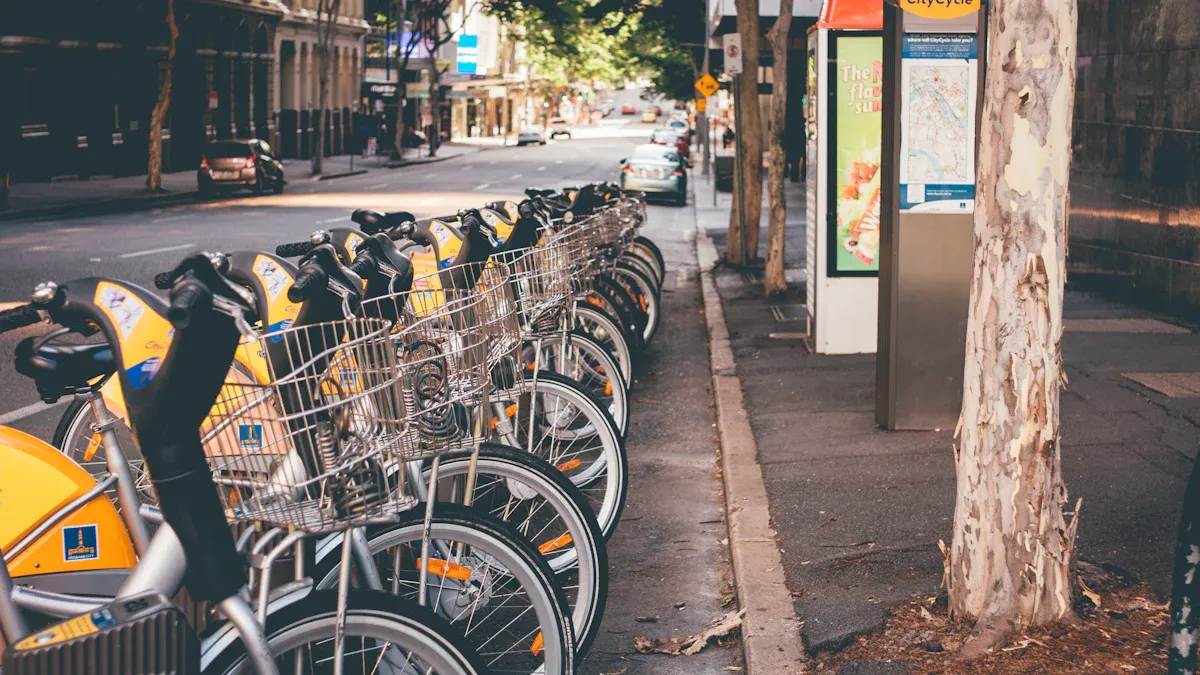
Bike-sharing systems are ideal for tourists and commuters. They allow you to be flexible and environmentally friendly on the move. Cities like Paris are investing heavily in such systems to promote bicycle traffic.
Promotion of "Radentscheid" (Cycling Referendum) initiatives
Cycling referendum initiatives advocate for better conditions. They demand more investments in bike paths and safety. Such projects strengthen cycling culture and make cities more livable.
Cultural acceptance and innovations
Shift towards a cycling culture
A strong cycling culture develops when biking becomes part of everyday life. In bicycle-friendly cities in Europe like Amsterdam, over 50% of residents use a bicycle regularly. This shows how important cultural acceptance is.
Integration of e-bikes into everyday life
E-bikes make cycling in hilly cities easier. They also encourage usage for longer distances. In hilly regions like Barcelona, bicycle usage is increasing significantly thanks to e-bikes.
Examples of innovative solutions like DIY repair stations
DIY repair stations offer you the opportunity to carry out minor repairs yourself. You will find such stations more and more often in bicycle-friendly cities in Europe. They are a practical example of innovations that help cyclists.
Top European cities in 2025
Copenhagen, Denmark
Leader in the Copenhagenize Index
Copenhagen has been at the top of the Copenhagenize Index for years. This award shows how well-suited the city is for cyclists. The combination of well-thought-out infrastructure, innovative traffic systems, and a strong cycling culture makes Copenhagen unique.
Decades of investments in bike paths
Since the 1990s, Copenhagen has been continuously investing in the expansion of bike paths. A total of about 130 million euros has flowed into the cycling strategy. These investments have created a dense network of bike paths that enables you to cycle safely and comfortably.
Harbor Circle Route: Sustainability and innovative infrastructure
The Harbor Circle Route is a prime example of sustainable mobility. It connects the most important districts and offers you an impressive view of the harbor. With wide paths and a "Green Wave" for cyclists, Copenhagen is setting new standards.
Tip: Copenhagen plans to expand the width of bike paths to at least three meters to meet the growing bicycle traffic.
Amsterdam, Netherlands
900,000 bicycles – more than inhabitants
In Amsterdam, there are more bicycles than inhabitants. This shows how deeply rooted the bicycle is in the city's culture. With a cycling share of 22%, Amsterdam is one of the leading cycling cities in Europe.
Underwater bicycle parking garage for 11,000 bikes
The underwater bicycle parking garage at the main train station is a technical masterpiece. It offers space for 11,000 bicycles and protects them from theft and weather. Such innovations make Amsterdam one of the most bicycle-friendly cities in Europe.
Amstel bike path: Safe and pleasant cycling
The Amstel bike path leads you along the Amstel river and offers a safe and scenic route. It connects the city center with the suburbs and shows how bike paths can improve life in the city.
Utrecht, Netherlands
43% of short trips by bicycle
In Utrecht, 43% of short trips are made by bicycle. This shows how important the bicycle is for people's everyday lives. The city promotes bicycle traffic through a well-developed network of paths and innovative solutions.
World's largest bicycle parking garage with 12,500 spaces
The bicycle parking garage in Utrecht is the largest in the world. It offers space for 12,500 bicycles and sets new standards in terms of safety and comfort. Such facilities make Utrecht a model for other cities.
Note: According to a ranking of the most bicycle-friendly cities in Europe in 2025, Copenhagen, Amsterdam, and Utrecht occupy the top three places.
Paris, France
Planned 180 km of bike paths and 120,000 parking spaces by 2026
Paris is pursuing ambitious plans to make cycling more attractive. 180 kilometers of new bike paths are to be built by 2026. These paths connect central districts with the suburbs and offer you a safe alternative to car traffic. Additionally, the city plans 120,000 new bicycle parking spaces. These measures make it easier for you to park your bike and encourage usage.
Seine bike path: Combination of history and modern infrastructure
The Seine bike path is a highlight for cyclists. It leads you along the Seine and connects historic sights like the Eiffel Tower with modern infrastructure. Wide paths and well-placed rest areas make the route ideal for recreational trips. Paris shows how history and innovation can be combined in bicycle traffic.
Bremen, Germany
Leader in Germany according to ADFC
Bremen is considered a pioneer among bicycle-friendly cities in Germany. According to the ADFC ranking, the city takes first place:
City |
Ranking |
|---|---|
Bremen |
The city offers you an excellent infrastructure that is specially designed for e-bikes. Bremen has developed into a hotspot for e-bike fans and sets standards for other cities.
Inexpensive bicycle transport on public transport
In Bremen, you can take your bike on public transport at a low cost. This option makes it easier for you to switch between bike and train. Commuters especially benefit from this flexibility.
Focus on safety and accessibility
Bremen places great importance on safety and accessibility. Wide bike paths and well-lit intersections ensure a safe riding experience. The city also takes into account the needs of people with restricted mobility.
Berlin, Germany
2400 km bike path network
Berlin offers you an impressive bike path network over 1,400 kilometers long. This network connects all districts and makes cycling a practical alternative to the car.
Berlin Wall Trail: Historical and cultural highlights
The Berlin Wall Trail is a unique bike path. It leads you along the former Berlin Wall and connects history with nature. On this route, you can discover historical sites and enjoy the green surroundings at the same time.
Focus on flat terrain and wide bike paths
Berlin is ideal for cyclists. The flat terrain makes it easier for you to ride, even on longer distances. Wide bike paths offer you sufficient space and increase safety. The city shows how well-thought-out infrastructure can promote cycling.
Barcelona, Spain
Barceloneta Beach Route: Mediterranean coastal rides
Barcelona offers you one of the most beautiful cycling routes in Europe – the Barceloneta Beach Route. This route leads you along the Mediterranean coast and offers you breathtaking views of the sea. The path is flat and ideal for relaxed rides. You can enjoy the fresh sea breeze and take a break at the numerous beach cafés. The route connects the city with the beaches and makes it a perfect destination for recreational cyclists.
Tip: Start your ride early in the morning to experience the sunrise over the Mediterranean.
Sagrada Familia and Gothic Quarter as highlights
Barcelona combines culture and cycling in a unique way. You can reach the famous Sagrada Familia, one of the most impressive buildings in the world, by bike. The Gothic Quarter invites you to cycle through narrow alleys and admire the historic architecture. Bike paths and traffic-calmed zones make it easy for you to explore these sights safely.
A bike tour through these districts gives you the opportunity to experience the city from a new perspective. You can stop whenever you want and enjoy the atmosphere at your own pace.
Mild climate for cyclists all year round
The climate in Barcelona is a dream for cyclists. With mild temperatures all year round, you can get on your bike at any time. Even in winter, temperatures rarely drop below 10 degrees Celsius. This makes Barcelona an ideal destination for cyclists who want to remain active in the cold season too.
Note: Barcelona offers you numerous bike-sharing systems that make it easier for you to access high-quality bikes.
Future trends and innovations
Smart bike paths and technologies
Intelligent lighting and traffic signals
Cities are increasingly relying on intelligent systems to make bike paths safer and more efficient. Intelligent lighting adapts to the time of day and the movement of cyclists. This saves energy and increases visibility. Traffic signals based on real-time traffic data optimize the flow of traffic. Cities like Vienna and Rome use such systems to reduce traffic jams and improve safety.
Sensor-based safety solutions
Sensors play an important role in improving safety. They analyze traffic data and detect potential hazards. Bicycle simulators help to examine the flow of bicycle traffic and make intersections safer. These technologies make bike paths in bicycle-friendly cities in Europe even more attractive.
Promotion of e-bikes
Expansion of charging stations and sharing systems
E-bikes are gaining popularity in cities like Stockholm and Barcelona. A well-developed network of charging stations and sharing systems makes it easier for you to access this sustainable form of mobility. Paris plans to build 180 kilometers of bicycle streets and 120,000 new parking spaces by 2026 to encourage the switch to e-bikes.
Subsidies for companies and private individuals
Many cities offer financial incentives for the purchase of e-bikes. Frankfurt am Main supports companies and private individuals with subsidy programs. These measures promote the use of e-bikes and contribute to the reduction of CO2 emissions.
Sustainable mobility concepts
Integration of bicycles into public transport
Combining bicycles and public transport expands the catchment area of stops. Bike-sharing systems in cities like Dresden and Karlsruhe show how this integration works. They make cycling an affordable and climate-friendly alternative.
Reduction of CO2 emissions through cycling
Cycling significantly reduces CO2 emissions. The integration of bike-sharing into local transport promotes the use of bicycles and lowers emissions in urban areas. Bicycle-friendly cities in Europe rely on these concepts to protect the environment.
Urban cycling as an experience
Historic streets and scenic promenades
Cycling in European cities offers you the opportunity to experience history and nature up close. Many cities have historic streets that take you on a journey into the past. In Berlin, you can cycle on the Berlin Wall Trail and discover the history of the divided city. The route leads you through green parks and past historical monuments.
In Paris, the Seine bike path offers a perfect combination of culture and nature. You can ride along the Seine and admire famous sights like the Eiffel Tower or the Musée d’Orsay. The wide paths and rest areas invite you to enjoy the view.
Tip: Plan your tour for early in the morning or in the evening to experience the streets in a quieter atmosphere.
You will also find scenic promenades in Barcelona. The Barceloneta Beach Route leads you right along the Mediterranean. Here, you can enjoy the fresh sea breeze and take a break at the beach cafés. Such routes make cycling a real experience.
Combination of culture and modern infrastructure
European cities often combine tradition with innovation. In Amsterdam, you can cycle through the historic center and at the same time use modern cycling infrastructure. The city has special bicycle bridges and traffic lights that make riding easier for you.
In Utrecht, the world's largest bicycle parking garage shows how modern technology supports cycling. It offers you not only safety but also comfort. Such innovations make cycling in cities efficient and pleasant.
Note: Many cities offer you interactive maps that help you find the best routes. Use these tools to plan your trip.
Cycling in cities is more than just getting from A to B. It is a way to discover culture, history, and nature – all on two wheels.
Bicycle-friendly cities in Europe are characterized by well-maintained bike paths, secure parking options, and a tightly linked cycling network. These features promote not only safety, but also the attractiveness of cycling. Investments in innovative solutions such as bicycle rental systems and large bicycle parking facilities play a central role.
A cultural shift is equally crucial. Citizens must accept cycling as part of everyday life. Real-world laboratories and mobility education can support this change. By 2030, cities could further increase their quality of life through such measures.
Measure |
Description |
|---|---|
Bicycle paths |
Must be maintained, wide enough for cargo bikes, and separated from the rest of traffic. |
Cycle network |
A tightly linked network with bicycle traffic lights and destination signage is necessary. |
Parking options |
Secure parking spaces and large bicycle parking facilities increase the attractiveness of cycling. |
Bicycle rental |
Promotes cycling among tourists and helps to rediscover cycling. |
Cultural shift |
Necessary for the acceptance of cycling and the improvement of the quality of life in cities. |
Note: The mobility transition requires a change in mobility culture and the active participation of citizens.
FAQ
What does "bicycle-friendly" mean for a city?
A bicycle-friendly city offers you safe, wide bike paths, well-connected routes, and sufficient parking options. It promotes cycling through political measures, cultural acceptance, and innovative solutions such as bicycle rental systems. The goal is to make cycling attractive and safe for everyone.
What are the advantages of cycling in the city?
Cycling improves your health, saves money, and reduces CO2 emissions. It is often faster than driving in congested inner cities. Additionally, you enjoy more freedom and flexibility while contributing to relieving traffic congestion.
Tip: Use bike paths to travel more safely and relaxed.
How can cities promote cycling?
Cities can invest in bike paths, secure parking spaces, and bicycle rental systems. Subsidies for e-bikes and cargo bikes motivate you to switch to a bike. Educational programs and campaigns to promote cycling culture also play an important role.
Are e-bikes a good alternative for city traffic?
Yes, e-bikes make longer distances and hilly terrain easier for you. They are ideal for commuters and promote sustainable mobility. Many cities offer charging stations and rental systems to make the use of e-bikes even more attractive.
Which cities in Europe are particularly bicycle-friendly?
Copenhagen, Amsterdam, and Utrecht lead the list. These cities offer you a dense network of bike paths, secure parking options, and a strong cycling culture. Paris, Bremen, and Barcelona are also investing heavily in bicycle-friendly infrastructure.
Note: Check out the Copenhagenize Index to learn more about the best cycling cities.