
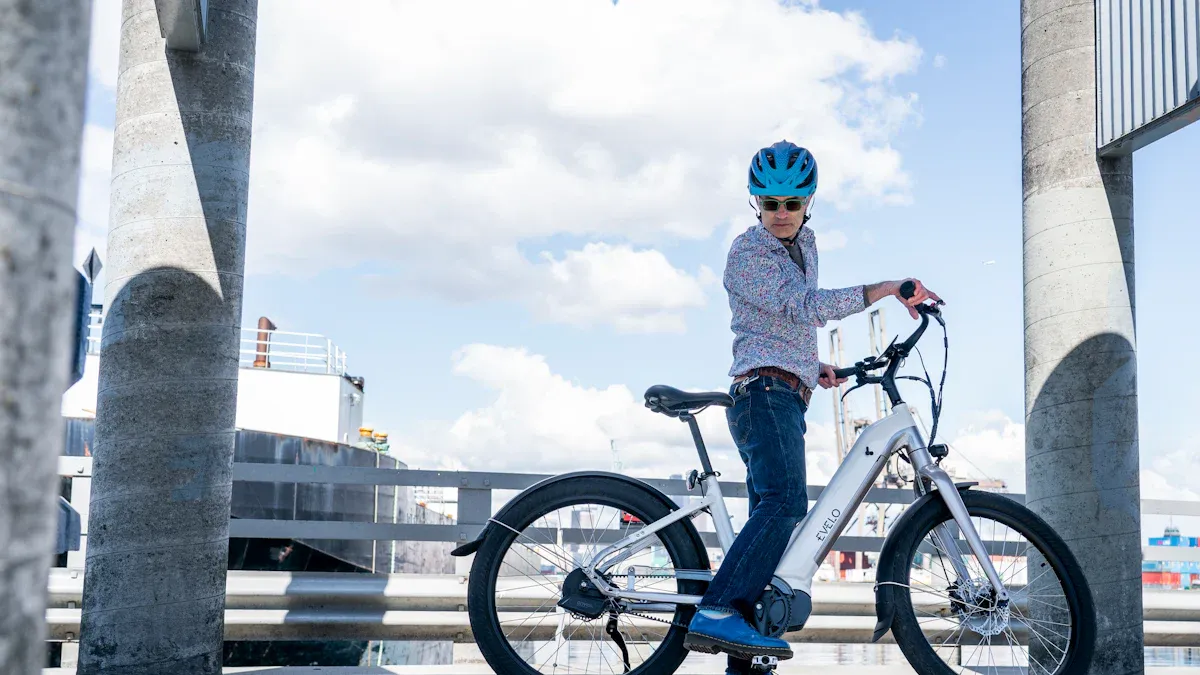
The choice between bicycles and e-bikes significantly impacts your daily life. Both options offer benefits, but their differences are crucial. Bicycles and e-bikes are lightweight, low-maintenance, and ideal for short distances. E-bikes, on the other hand, offer more comfort and efficiency thanks to pedal assistance, especially for longer rides or hilly terrain.
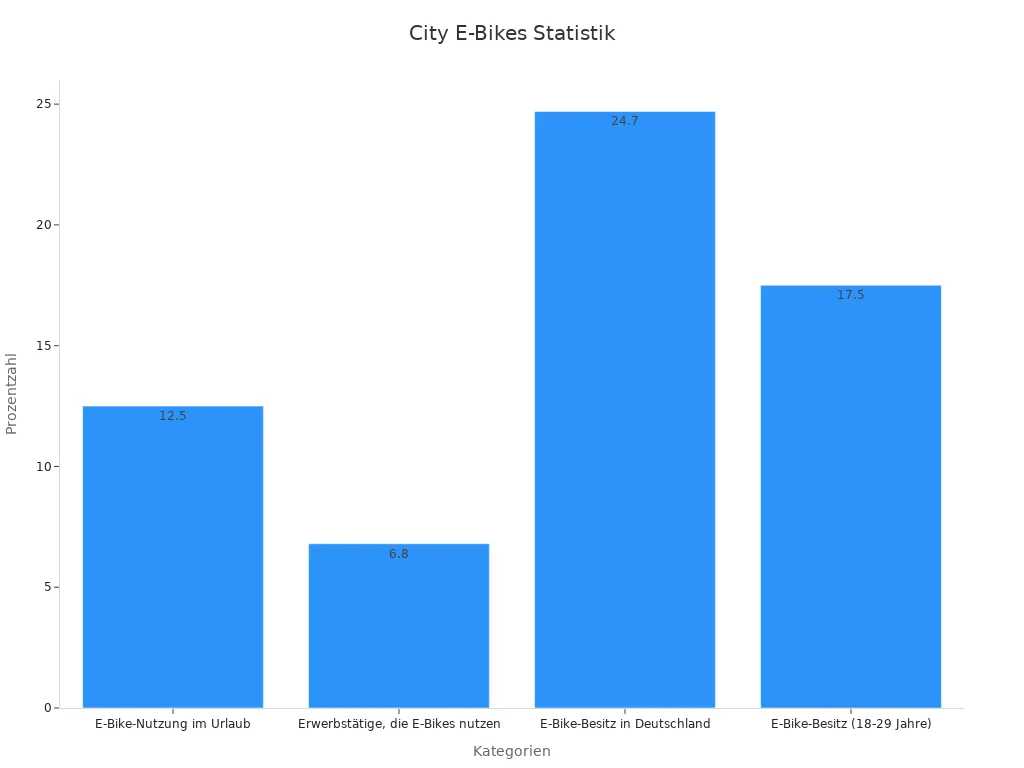
Did you know that 24.7% of Germans own an e-bike? This number has risen sharply in recent years, especially among young adults.
Your individual needs play a central role. Do you commute to work daily or are you looking for a recreational vehicle? The right choice between bicycles and e-bikes depends on how and where you want to use your bike or e-bike.
Key Findings
Bicycles are affordable and good for short trips. They are inexpensive and require little maintenance.
E-bikes have a motor that makes riding easier. They are particularly helpful for hills and long distances. They are ideal for those who are less athletic.
Whether a bicycle or an e-bike is right for you depends on your situation. Consider whether you are commuting, enjoying leisure time, or exercising.
A test ride is important to find the best fit. Try different models to test comfort and handling.
Company bike leasing is becoming increasingly popular and saves money. It is also an environmentally friendly solution.
Differences between bicycles and e-bikes
Main features of bicycles
Comfort and equipment
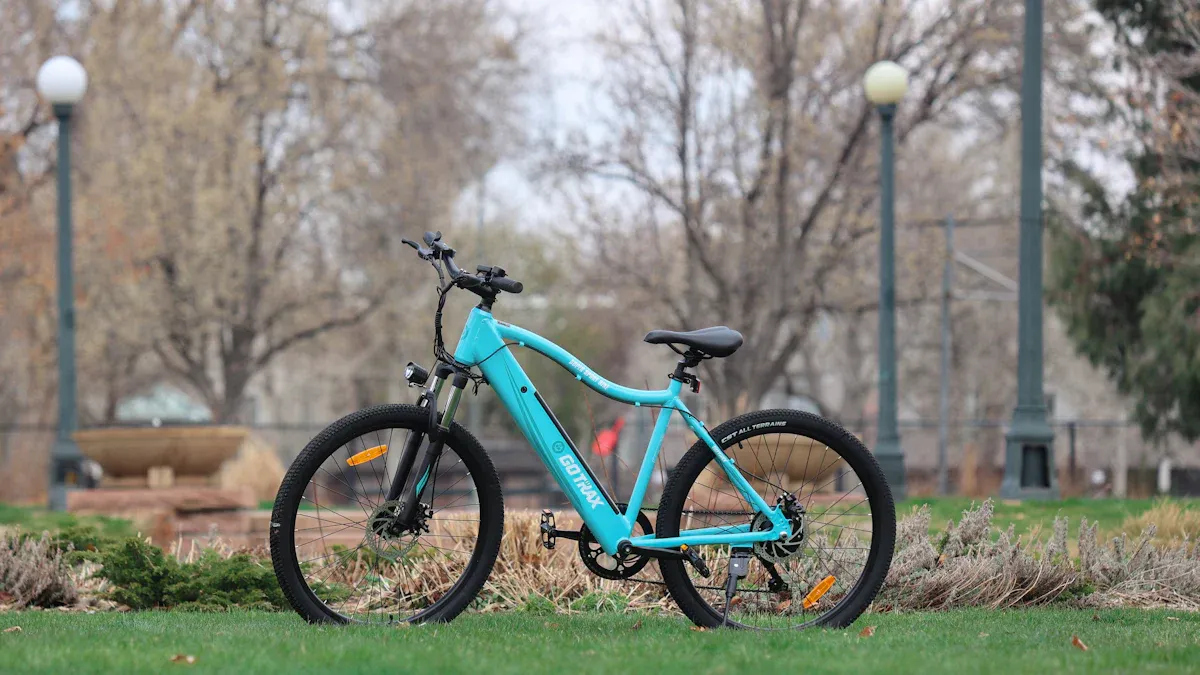
Bicycles offer a simple and low-maintenance way to get around. They are lightweight and do not require an additional energy source. Many models come with basic equipment like luggage racks, mudguards, and lighting. For comfort, you can choose bicycles with ergonomic grips or sprung saddles. These options make them ideal for short distances or leisure rides.
Areas of use and value for money
Bicycles are excellent for flat routes and city traffic. They are versatile and available in various price ranges. You can get a good bicycle for as little as 300 euros. Compared to e-bikes, the acquisition and maintenance costs are significantly lower. If you have a limited budget, a bicycle offers excellent value for money.
Main features of e-bikes
Pedal assistance and motor power
E-bikes make riding easier with electrical assistance. Motor power is measured in Newton meters (Nm) and often ranges from 40 to 85 Nm. This assistance makes riding in hilly terrain or on long routes more pleasant. Battery capacity, indicated in watt-hours (Wh), affects the range. 250 to 500 Wh are sufficient for city traffic, while longer tours require batteries with up to 800 Wh. With modern lithium-ion batteries, you can achieve ranges of 80 to 130 km.
Costs, weight, and maintenance
E-bikes are more expensive than bicycles. Prices start at around 1,500 euros and can rise depending on the model and equipment. They weigh more, as the motor and battery add extra weight. Maintenance is more complex because electronic components like the motor and battery require special care. Nevertheless, they offer you long-term benefits through time savings and comfort.
Comparison: Bicycle vs. E-bike
Environmental aspects and mobility
E-bikes and bicycles are environmentally friendly alternatives to cars. Bicycles cause no CO2 emissions, while e-bikes emit about 7 to 8 grams of CO2 per kilometer. In comparison, cars produce 120 to 170 grams. By using an e-bike, you can significantly reduce your carbon footprint while efficiently covering longer distances.
Comfort and efficiency in everyday life
E-bikes offer you more comfort and efficiency. They enable longer rides with less effort. According to studies, e-bike riders spend an average of 135 minutes per week on their bikes, which improves their fitness. Bicycles, on the other hand, are ideal for shorter distances and sports activities. Your choice depends on how you want to use the vehicle.
The different types of bicycles and e-bikes
City bikes and City e-bikes
Features and areas of use
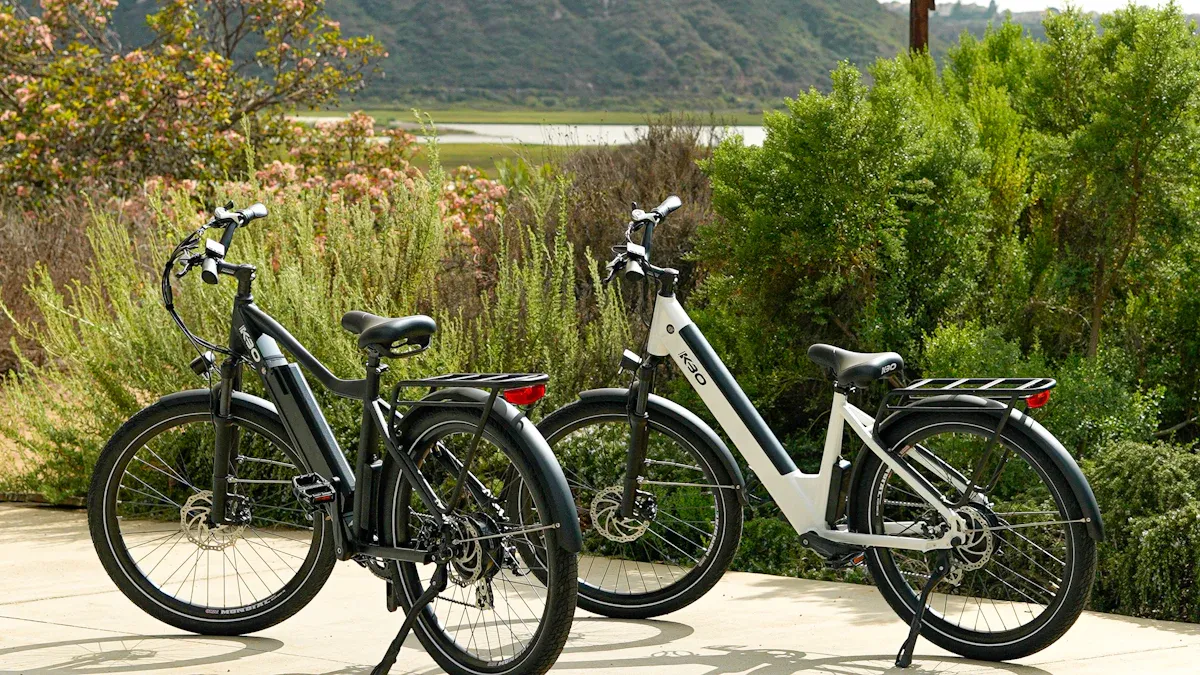
City bikes and their electric variants are perfect for city traffic. They offer an upright seating position that ensures comfort. Typical features include mudguards, luggage racks, and lighting. City e-bikes complement this equipment with a motor that supports you on climbs or longer distances. They are particularly popular in large cities as they represent an environmentally friendly alternative to the car.
A market analysis shows that 6.8% of employed people in Germany use e-bikes for their daily commute. Additionally, 24.7% of Germans own an e-bike, which underscores the growing popularity of these models.
Advantages and limitations
City bikes are lightweight, low-maintenance, and inexpensive. They are excellent for short distances and flat terrain. City e-bikes offer you additional support, making them ideal for commuters. However, they are heavier and more expensive than conventional bicycles. They are less suitable for sports activities or uneven terrain.
Trekking bikes and Trekking e-bikes
Features and areas of use
Trekking bikes and trekking e-bikes are versatile and designed for longer tours. They have robust frames, luggage racks, and often suspension forks. Trekking e-bikes offer you powerful mid-drive motors and high battery capacities that support you even on inclines or in headwinds.
These models are suitable for leisurely tours, weekend trips, or travel with luggage. They are also an excellent choice for commuters who ride through forests or light terrain.
Ergonomics and long-distance suitability
Trekking bikes score points with ergonomic designs that offer you maximum comfort on long distances. High-quality components like precise gears and powerful brakes increase safety and efficiency. Thanks to their range of up to 150 km, trekking e-bikes allow for relaxed long-distance rides.
Mountain bikes and E-mountain bikes
Off-road capabilities and robustness
Mountain bikes and e-mountain bikes are designed for demanding off-road trails. They have wide tires, stable frames, and powerful brakes. E-mountain bikes offer you additional support through powerful motors that make riding on steep trails easier.
Differences between hardtail and fully
Hardtail mountain bikes only have a front suspension fork, making them lighter and more efficient for simple trails. Fully mountain bikes have additional rear suspension, which provides you with more control and comfort on difficult terrain. E-mountain bikes are available in both versions, so you can choose the model that best suits your riding style.
SUV e-bikes
Combination of city, trekking, and mountain bike
SUV e-bikes combine the best features of city, trekking, and mountain bikes. They offer a robust construction suitable for various surfaces. With wide tires and a stable frame design, you can ride on both paved roads and forest paths. Many models feature powerful motors and large battery capacities that provide a high range. This versatility makes SUV e-bikes ideal for commuters who travel both in the city and in the countryside.
SUV e-bikes are often equipped with practical features like luggage racks, mudguards, and lighting. These features make them an excellent choice for everyday use. You can use them for the commute to work, shopping, or leisure activities. Thanks to their versatility, you don't have to limit yourself to one specific area of use.
Versatility and comfort
SUV e-bikes offer you not only flexibility but also high comfort. The upright seating position is easy on your back, while suspension forks and wide tires absorb shocks on uneven terrain. High-quality brakes and gears ensure safety and control. These models are particularly suitable for you if you are looking for an all-round bike that performs well in every situation.
Other e-bike types
Cargo e-bikes for transport
Cargo e-bikes are perfect for transporting heavy items. They feature large loading areas or special trailers. These models are ideal for families or small businesses. In 2023, sales of cargo e-bikes increased by 14.5% compared to the previous year. A total of 189,000 units were sold. This trend shows that more and more people are turning to this environmentally friendly transport solution.
Gravel e-bikes for adventure
Gravel e-bikes are ideal for you if you are looking for adventure. They combine the speed of a road bike with the stability of a mountain bike. With these models, you can ride on both roads and gravel paths. Electrical assistance helps you manage even longer distances effortlessly.
S-pedelecs for high speeds
S-pedelecs offer assistance up to 45 km/h. They are particularly suitable for long commutes. These models are changing the mobility habits of many people. However, there are infrastructural challenges in Germany that hinder their widespread adoption.
Kids' e-bikes for the family
Kids' e-bikes are specifically developed for young riders. They are lighter and smaller than conventional e-bikes. With these models, children can ride longer distances and join family trips. They promote physical activity and make cycling more attractive for children.
Functions and benefits of e-bikes
Motor and battery technology
Differences between pedelecs and S-pedelecs
Pedelecs and S-pedelecs differ primarily in their speed and legal classification. Pedelecs support you up to a speed of 25 km/h and are legally considered bicycles. S-pedelecs, on the other hand, offer support up to 45 km/h. For these models, you need a license, a registration plate, and a helmet. If you want to cover longer distances quickly, S-pedelecs are an interesting option.
Range and charging times
The range of an e-bike depends on the battery capacity. Smaller batteries with 250 to 500 Wh enable ranges of up to 70 km. Larger 800 Wh batteries can manage up to 130 km. The following table shows the differences:
Battery Capacity (Wh) |
Range (km) |
|---|---|
250 - 500 |
up to 55 - 70 |
800 |
up to 130 |
Charging time varies depending on battery size and charger. Modern fast chargers can charge the battery in 2 to 4 hours.
Safety and comfort
Hydraulic brakes and suspension
Hydraulic brakes offer you reliable braking performance, even in wet conditions. They are low-maintenance and durable. Good suspension ensures comfort on uneven paths. Especially for trekking and mountain bikes, a suspension fork is indispensable. It reduces shocks and protects your joints.
Ergonomic designs and accessories
E-bikes are often ergonomically designed to provide a comfortable seating position. Accessories like adjustable handlebars, sprung saddles, and ergonomic grips increase comfort. Lighting, mudguards, and luggage racks make your e-bike suitable for everyday use.
Practical aspects
Maintenance and care
Regular maintenance extends the lifespan of your e-bike. Checking tire pressure weekly and cleaning monthly are important. You should check brakes and gears every two to three months. An annual complete inspection is also recommended.
A service logbook helps you document inspections and repairs.
High-quality spare parts and regular updates increase the value of your e-bike.
Costs and financing options
E-bikes are an investment, but there are various financing options. Company bike leasing is becoming increasingly popular, especially among the younger generation. It offers you a sustainable and cost-effective mobility solution.
Studies show growing interest in bicycle leasing.
Many people prefer sustainable mobility concepts.
Company bike leasing makes e-bikes more affordable for many.
With leasing or installment payments, you can afford a high-quality model without straining your budget.
How do I choose the right model?
Analysis of individual needs
Commuting, leisure, or sport
Your usage determines which model best fits you. For daily commuting, a city bike or city e-bike is suitable. These models offer comfort and practicality in city traffic. If you are athletic, a mountain bike or e-mountain bike might be the right choice. For relaxed leisure rides or longer tours, trekking bikes and trekking e-bikes are ideal. Consider how often and in what context you want to use your bike or e-bike.
City, countryside, or mixed use
Your place of residence plays an important role. In the city, city bikes or city e-bikes are particularly practical. They are easy to maneuver and ideal for short distances. In the countryside or in hilly regions, an e-bike offers advantages. The motor supports you on inclines and longer distances. For mixed use, such as city and forest paths, an SUV e-bike is a versatile option.
Description |
|
|---|---|
Fitness level |
Influences the choice between e-bike and normal bicycle. Higher fitness = normal bicycle. |
Geographic location |
In hilly regions, an e-bike is advantageous as it makes riding easier. |
Budget |
E-bikes are more expensive to purchase and maintain, which influences the decision. |
Budget and value for money
Costs for bicycles and e-bikes
Bicycles and e-bikes vary significantly in price. A good bicycle starts at 300 euros, while e-bikes start at around 1,500 euros. High-end models can be significantly more expensive. Also consider maintenance costs. E-bikes require more care, especially for the battery and motor.
Long-term investments and savings
An e-bike can be worth it in the long run. It saves you time and reduces the use of cars or public transport. Company bike leasing is a popular option for reducing costs. Consider whether you are willing to invest more in order to benefit from the advantages in the long term.
Test rides and advice
Why a test ride is important
A test ride helps you find the right model. You can test whether the seating position is comfortable and whether the features meet your needs. Especially with e-bikes, it is important to experience the motor power and the riding feel.
Specialized retailers and online options
Specialized retailers offer personal advice and the opportunity to try out various models. Online shops often have a wider selection and attractive prices. Combine both options to find the best deal.
The choice between bicycles and e-bikes depends on your individual needs. Bicycles are cost-effective, lightweight, and ideal for short distances. E-bikes, on the other hand, offer support on long or hilly rides and are particularly suitable for less fit individuals. Various types such as SUVs, compact minis, or multivans cover different areas of use. For adventures, e-gravel models are ideal, while e-cargo bikes make everyday life easier.
A test ride helps you find the right model. Test various options and get advice from specialized retailers. This way, you will make an informed decision that fits your lifestyle.
FAQ
What is the difference between a pedelec and an S-pedelec?
A pedelec provides assistance up to 25 km/h and is considered a bicycle. An S-pedelec offers assistance up to 45 km/h, but requires registration, an insurance plate, and a helmet. S-pedelecs are suitable for longer commutes.
How long does an e-bike battery last?
The service life of a battery is generally 500 to 1,000 charging cycles. This corresponds to about 3 to 5 years, depending on usage and care. Regular maintenance and proper storage extend its service life.
Can I ride an e-bike in the rain?
Yes, e-bikes are weather-resistant and can be ridden in the rain. Ensure that the electronic components such as the motor and battery are well-sealed. After the ride, you should clean and dry the e-bike to prevent corrosion.
What is the range of an e-bike?
The range depends on the battery capacity, the terrain, and your riding style. Smaller batteries (250 Wh) manage up to 70 km, while larger batteries (800 Wh) enable up to 130 km. Assistance levels also influence the range.
Is an e-bike suitable for beginners?
Yes, e-bikes are ideal for beginners. The electric assistance makes riding easier and helps you overcome longer distances or inclines. Choose a model with simple controls and try it out before purchasing.
💡 Tip: A test ride helps you find the right model and get familiar with the controls.