
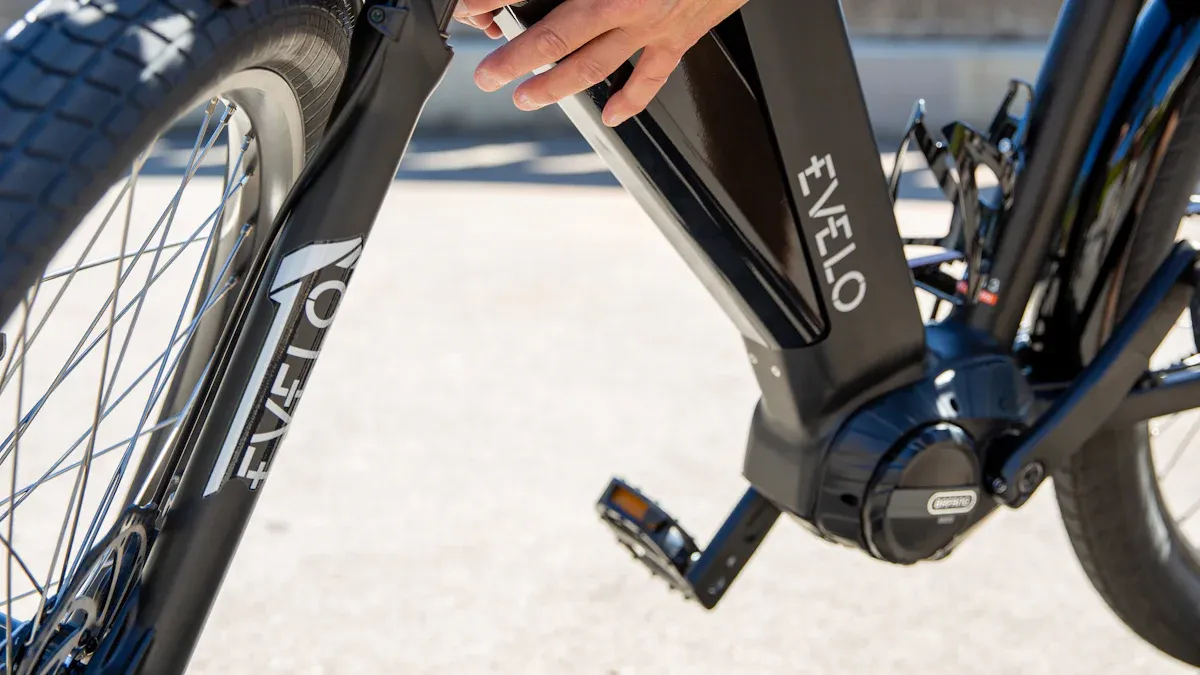
E-bike tuning changes the performance of your e-bike. You can use it to bypass the speed limit and ride faster. These adjustments are of interest to many riders because they promise more riding pleasure and efficiency.
However, e-bike tuning also brings risks. Higher speeds increase the risk of accidents. In addition, it can overload the technology of your e-bike. Safety should always come first. Legal consequences can also occur if you tune your e-bike.
The topic of e-bike tuning is important because it affects your safety, the lifespan of your e-bike, and potential legal issues.
Key Takeaways
E-bike tuning makes your bike faster but is dangerous.
Illegal tuning can lead to fines and cause problems in the event of an accident.
It damages the motor and battery, causing your e-bike to break down faster.
S-pedelecs are legal and ride faster without these risks.
Think carefully about whether tuning is worth the dangers and penalties.
Safety in E-Bike Tuning
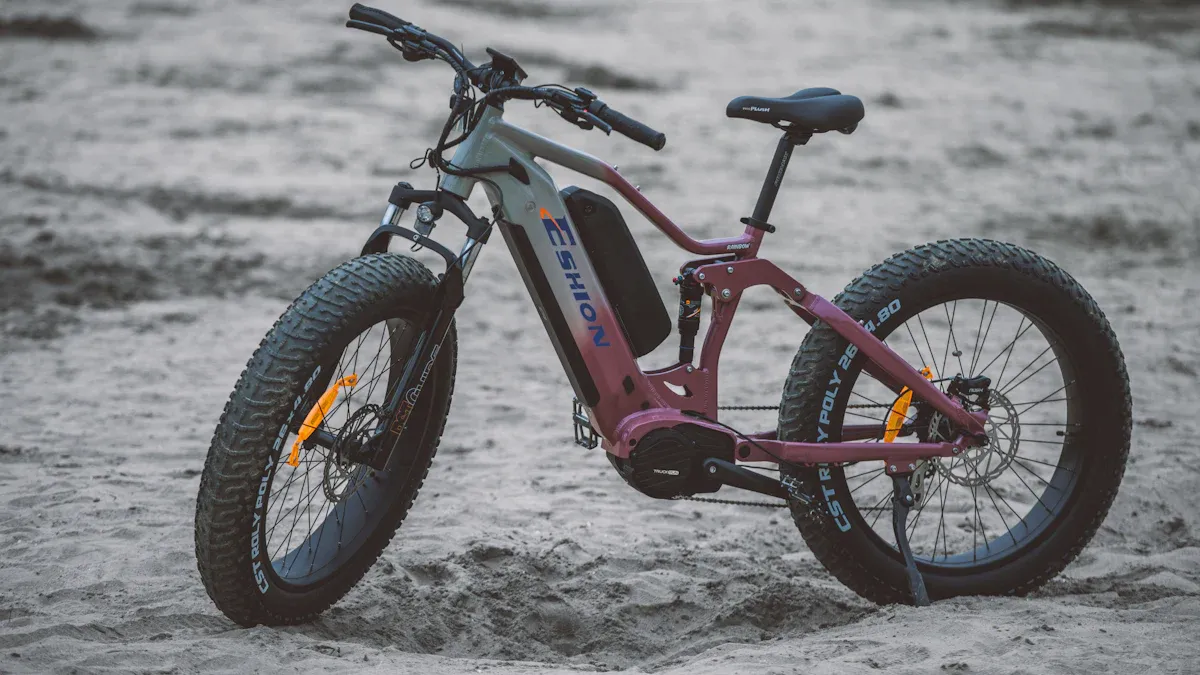
Risks for Riders and Other Road Users
E-bike tuning can pose significant risks to you and other road users. Increasing the speed makes braking more difficult, and control of the e-bike can be lost. Components such as brakes, frames, and forks are often not designed for higher speeds. This significantly increases the likelihood of accidents.
Statistics show that legal and physical risks are particularly serious when tuning:
Type of Risk |
Description |
|---|---|
Legal risks |
Tuning e-bikes is illegal if the speed exceeds 25 km/h. |
Physical risks |
Components such as forks, frames, and brakes are not designed for higher speeds, which can lead to accidents. |
When you tune your e-bike, you endanger not only yourself but also other road users. Especially in urban areas where many pedestrians and cyclists are present, the consequences can be severe.
Technical Problems Due to Tuning
Tuning an e-bike changes the technical parameters of your vehicle. The motor is under greater stress, which can lead to overheating. The battery is also subjected to more strain due to the increased power. This can reduce the range of your e-bike and shorten the battery's lifespan.
Another problem concerns the brakes. They are designed for the standard speed of e-bikes. If you ride faster, they can be excessively stressed, which reduces braking performance. This poses a significant safety risk.
Effects on the Lifespan of the E-Bike
E-bike tuning has a direct impact on the lifespan of your vehicle. The increased load from higher speeds leads to faster wear and tear of components. An overview shows which parts are particularly affected:
Component |
Impact of Tuning |
Potential Consequences |
|---|---|---|
Motor |
Overheating, premature wear |
|
Battery |
Higher load |
Reduced range, shortened lifespan |
Brakes |
Excessive strain |
Reduced braking performance, safety risk |
Frame and components |
Increased loads |
Loss of stability, safety risk |
Additionally, the extra load leads to higher power consumption. This not only shortens the battery's lifespan but can also damage the entire drivetrain of your e-bike in the long term. Therefore, if you tune your e-bike, you risk it breaking down faster and needing expensive repairs.
Legal Aspects of E-Bike Tuning
Legal Regulations in Germany and the EU
When you tune your e-bike, you should be aware of the legal regulations. In Germany and the EU, there are clear rules for e-bikes. They may travel at a maximum of 25 km/h, and the motor may only provide assistance if you are pedaling yourself. As soon as you exceed these limits, your e-bike is legally classified as a motor vehicle.
The consequences are far-reaching. You will need a license plate, liability insurance, and registration. Without these, you are operating illegally. According to the ZIV, around 10% of all e-bike drives are manipulated in Germany. This means hundreds of thousands of tuned e-bikes are on the roads.
Note: According to statistics from the Federal Office, accidents involving pedelecs are more often fatal than those involving regular bicycles. The legal consequences of an accident with a tuned e-bike can be severe.
Consequences of Illegal Tuning
The legal consequences of illegal e-bike tuning are serious. If you get caught, you face fines and even criminal consequences. Your e-bike may be confiscated, and you can be held liable if an accident occurs.
A tuned e-bike is considered a motor vehicle. Without the required documents such as a license plate and insurance, you are not only operating illegally but also financially unprotected. In the event of an accident, you must pay for all damages yourself.
An overview shows the potential consequences:
Consequence |
Description |
|---|---|
Fines |
Hefty fines for riding a tuned e-bike without registration. |
Liability in accidents |
You are responsible for all damages, including personal injuries. |
Confiscation |
Your e-bike can be seized by the authorities. |
Loss of Warranty and Insurance Problems
If you tune your e-bike, you lose the manufacturer's warranty claims. Modifications make your e-bike no longer CE-compliant. This means the manufacturer no longer assumes responsibility for damages.
Insurance companies also refuse coverage for tuned e-bikes. Without insurance, you are on your own in the event of an accident. Leasing contracts can be terminated immediately if tuning is discovered.
A list shows the most important problems:
Tuning leads to the loss of insurance coverage.
Manipulated e-bikes are considered motor vehicles and require a license plate.
Modifications lead to the loss of warranty claims.
Manufacturers recommend avoiding tuning to prevent legal and safety-related problems.
Tip: Think carefully about whether you want to tune your e-bike. The legal and financial risks often outweigh the benefits.
Performance Considerations in E-Bike Tuning
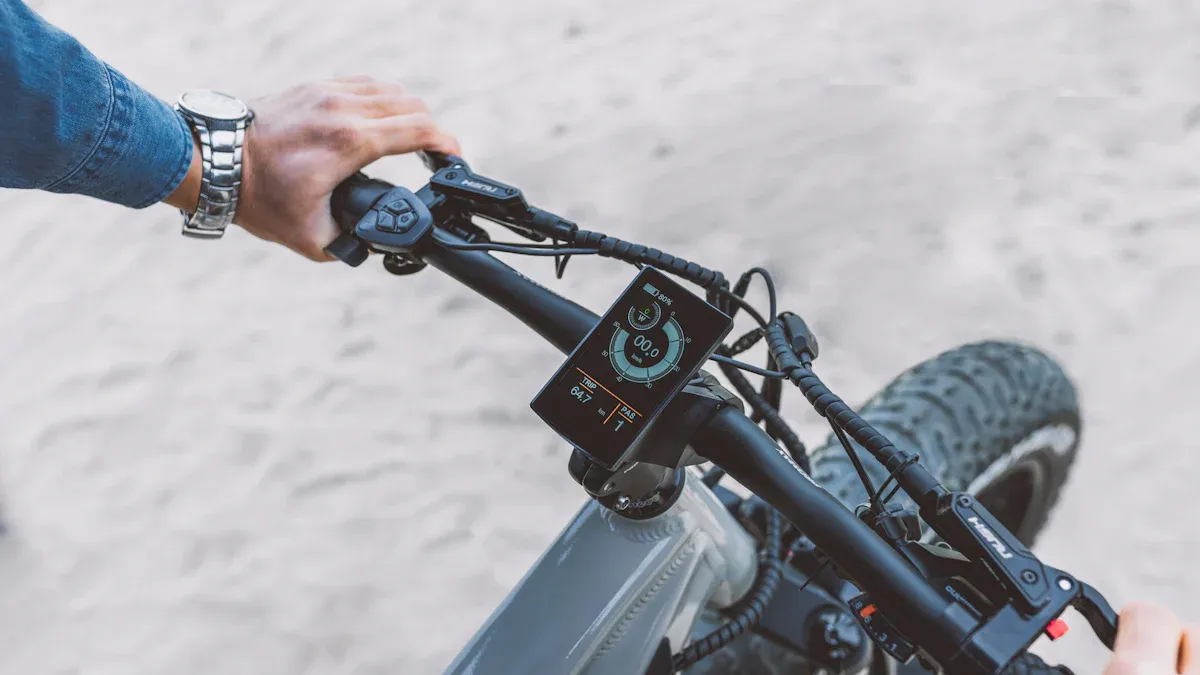
Advantages of Tuning: Speed and Riding Pleasure
E-bike tuning offers you the possibility to bypass the 25 km/h speed limit. On straight stretches, you can reach speeds of up to 60 km/h. Going downhill, theoretical maximum speeds of 75 km/h are even possible. This increased speed provides a more intense riding experience and increases riding pleasure.
Many riders appreciate the additional efficiency that tuning creates. You can reach your destination faster and enjoy the feeling of freedom. Especially on long distances or during athletic rides, tuning can significantly increase the appeal of e-bike riding.
Note: Higher speeds also mean higher safety risks. Consider carefully whether the extra riding pleasure is worth the potential dangers.
Disadvantages: Wear and Safety Risks
The increased power due to tuning puts considerable stress on your e-bike's technology. The motor works more intensively, which can lead to overheating and faster wear. The battery is also subjected to more strain, which reduces your e-bike's range. Higher speeds also increase rolling resistance, which further impairs efficiency.
The safety risks should not be underestimated. Brakes and frames are often not designed for higher speeds. This can lead to dangerous situations, especially during sudden braking maneuvers.
An overview of the disadvantages:
Increased wear of motor and battery.
Reduced range and efficiency.
Higher risk of accidents due to insufficient braking performance.
Alternatives: S-Pedelecs and Their Differences from E-Bikes
If you want higher speeds, S-pedelecs could be a legal alternative. These bikes assist you up to 45 km/h and are specially designed for this performance. Unlike tuned e-bikes, S-pedelecs are insured and legally approved.
Some differences between S-pedelecs and tuned e-bikes:
S-pedelecs require a license plate and insurance, whereas tuned e-bikes are often operated illegally.
Both can use the same motor, but the load on S-pedelecs is better tuned to the speed.
In the event of an accident, you are legally covered with an S-pedelec.
Tip: If you value safety and legality, an S-pedelec is the better choice. It offers you speed and riding pleasure without the risks of a tuned e-bike.
E-bike tuning carries risks that you should not ignore. Safety, legal regulations, and technical performance are crucial for acting responsibly. Here are the most important points summarized:
Your tuned e-bike is no longer considered a bicycle according to the German Road Traffic Licensing Regulations (StVZO).
Illegal tuning can result in fines or prison sentences.
As a tuner, you bear product liability responsibility in road traffic.
S-pedelecs offer you a legal alternative for higher speeds.
Tip: Comply with legal requirements and choose alternatives like S-pedelecs to be safe and legal on the road. This way, you protect yourself and other road users.
FAQ
Is e-bike tuning legal?
E-bike tuning is illegal in Germany and the EU if the speed exceeds 25 km/h. Your e-bike is then classified as a motor vehicle. You need a license plate, insurance, and registration to be legally on the road.
Can tuning shorten the lifespan of my e-bike?
Yes, tuning puts more strain on the motor, battery, and other components. This leads to faster wear and tear and increases the likelihood of technical problems. Your e-bike could break down sooner, and repairs become more expensive.
What penalties apply for illegal tuning?
If you get caught, you face fines and criminal consequences. Your e-bike can be confiscated. In the event of an accident, you are liable for all damages, including personal injuries. Without insurance, you are financially unprotected.
Are there alternatives to tuning?
S-pedelecs are a legal alternative. They assist you up to 45 km/h and are specifically designed for higher speeds. You need a license plate and insurance, but you are legally covered and safe on the road.
Do I lose my warranty by tuning?
Yes, tuning leads to the loss of warranty claims. Manufacturers assume no responsibility for damages to manipulated e-bikes. Leasing contracts can also be terminated if tuning is discovered.
Tip: Think carefully about whether the risks of tuning outweigh the benefits. S-pedelecs offer you a safe and legal alternative.