
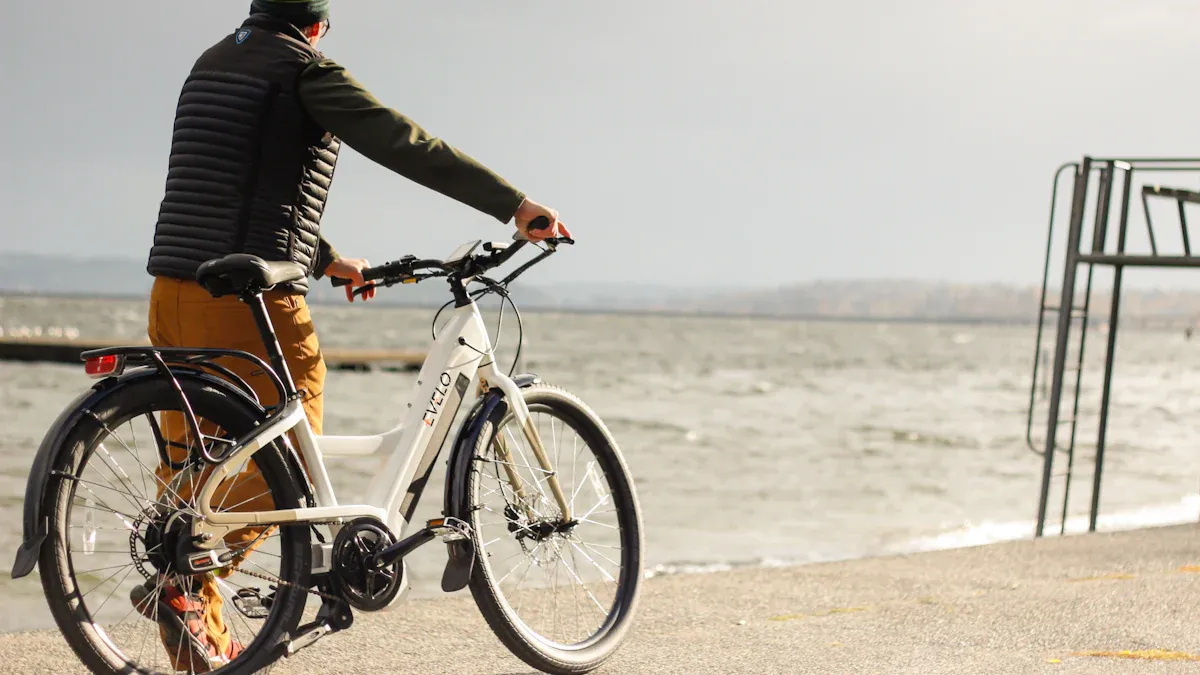
Are you wondering whether an e-bike or a standard bicycle is a better fit for you? You will benefit from an e-bike if you often commute long distances, transport heavy loads, or want to protect your joints. Many people in small communities already use e-bikes, as this overview shows:
Category |
Share of e-bike users (%) |
|---|---|
Total (respondents) |
35 |
Communities with fewer than 20,000 inhabitants |
42 |
Large cities with over 500,000 inhabitants |
17 |
Consider what is important to you:
Your goal when cycling
Terrain and route
Effort vs. training
Budget and maintenance
Physical fitness
Transport needs
Local regulations
Ultimately, this will make it easier for you to make the right decision for your everyday life.
Key takeaways
E-bikes are ideal for long distances and heavy loads, offering both comfort and joint protection.
Standard bicycles are better suited for short distances and intensive physical training.
E-bikes have higher purchase and maintenance costs, but they save money compared to a car.
Regular cycling promotes fitness and is more environmentally friendly.
Consider your needs and budget to choose the right bike for your lifestyle.
Who benefits from an e-bike?
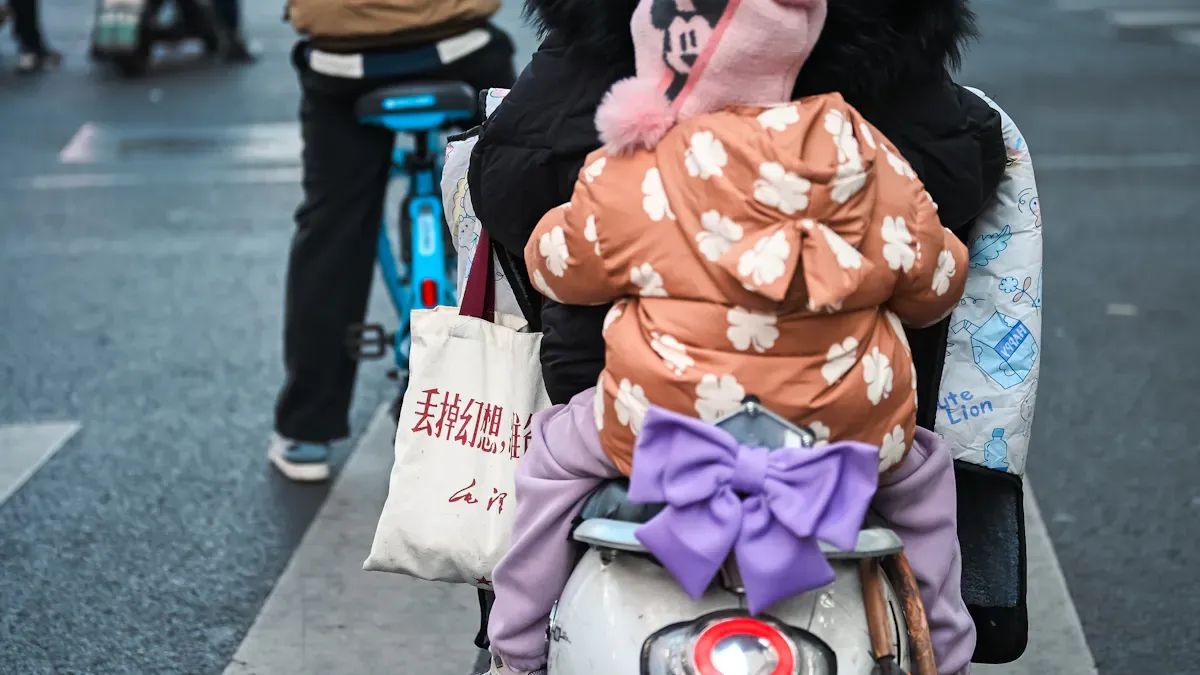
User groups compared
You may be wondering if an e-bike makes sense for you. Many different people benefit from it. Here is an overview of who motorized bicycles are particularly worthwhile for:
Older people or individuals with health limitations find the e-bike a great way to stay mobile. You can cover longer distances without overexerting yourself. Cycling remains joint-friendly while still strengthening your heart and circulation.
If you have balance problems, motorized tricycles offer a safe alternative. You can easily mount them and don't have to worry about falling over.
Families use e-bikes to transport children or groceries. This also works even if you have a steep hill ahead of you.
Young people use e-bikes as an eco-friendly alternative to a car. You save money and help protect the environment.
Companies are increasingly turning to e-cargo bikes. They use them to deliver packages while saving both costs and time.
Tip: Even if you haven't done much exercise before or are overweight, an e-bike can help you get more movement back into your daily routine.
Typical areas of use
Do you want to know when an e-bike is especially worthwhile in everyday life? Take a look at this table:
Area of use |
E-bikes |
Standard bicycles |
|---|---|---|
Distances covered |
Particularly advantageous for longer distances |
Better suited for shorter distances |
Effort |
Comfortable and less strenuous ride |
More intensive physical exertion |
Type of terrain |
Ideal for difficult terrain |
More for flat terrain |
Target group |
People looking for support while riding |
Physically active people |
You benefit from an e-bike if you often ride long distances, have many inclines on your route, or want to transport heavy loads. An e-bike can also help you regain mobility during rehabilitation or after an injury. For athletic riders who want to specifically train endurance and strength, a standard bicycle remains the better choice.
E-bike: Costs at a glance
Purchase and operation
Do you want to know how much you have to spend on a bicycle or an e-bike? The prices differ significantly. You can get a simple city bike for as little as 400 euros. A mountain bike starts at 500 euros, and a road bike at 800 euros. You will pay at least 1,000 euros for a cargo bike. An e-bike costs more: entry-level models start at 1,500 euros, mid-range models are between 2,500 and 4,000 euros. Premium models even cost over 5,000 euros.
Type |
Price range |
|---|---|
Simple bicycle |
from €400 |
Mountain bike |
from €500 |
Road bike |
from €800 |
Cargo bike |
from €1,000 |
E-bike (entry-level) |
from €1,500 |
E-bike (mid-range) |
€2,500 – €4,000 |
E-bike (premium) |
over €5,000 |
Standard bicycles |
€400 – €2,000 |
Operating costs also differ. With a standard bicycle, you pay for wear-and-tear parts and an annual check-up. With an e-bike, there are additional costs for the battery (400–900 euros every 3–5 years) and motor maintenance (50–200 euros). Maintenance is more complex because there is more technology involved.
Maintenance and depreciation
Running costs for an e-bike are higher than for a standard bicycle. You have to account for higher expenses for spare parts because the bike is heavier. Depreciation is also greater. An e-bike loses about 40 to 60 euros in value per month, while a standard bicycle loses only 10 to 20 euros. After five years, you will often have invested 2,500 to 3,500 euros in an e-bike, compared to usually 500 to 1,000 euros for a bicycle.
Category |
E-bike (5 years) |
Standard bicycle |
|---|---|---|
Monthly depreciation |
€40–€60 |
€10–€20 |
Purchase costs |
€2,500–€3,500 |
€500–€1,000 |
Cost recommendation
You pay more for an e-bike than for a standard bicycle. However, you save a lot of money compared to a car. Total costs per kilometer for an e-bike are 7 to 15 cents, while for a bicycle they are 5 to 10 cents. A small car costs you 40 to 55 cents per kilometer. If you commute often or want to replace your car, the e-bike is worthwhile in the long run. For short distances and smaller budgets, a standard bicycle is usually sufficient.
Tip: Think about how often you use the bike and how much comfort is important to you. That way, you will find the best solution for your budget.
Health and fitness
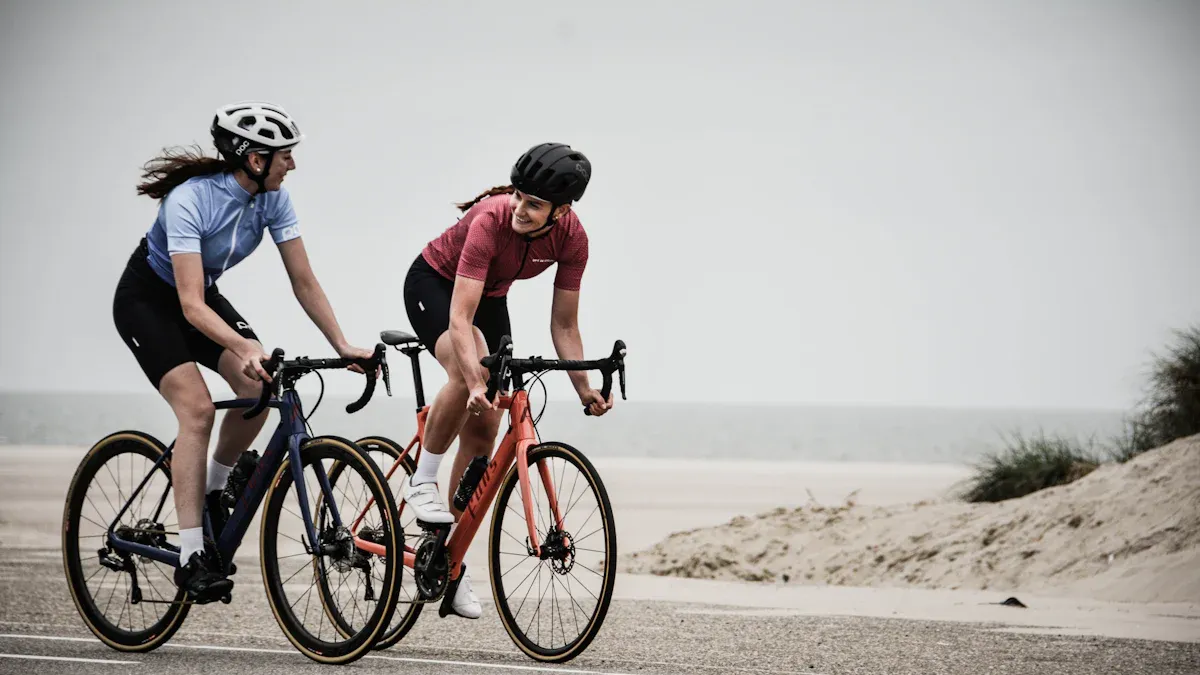
Training with an e-bike
Do you want to stay fit, but your body sometimes needs support? Then training with an e-bike could be just right for you. Many people use a bike to strengthen their heart and circulation. Studies show that you can improve your heart rate and lower the risk of heart attack or stroke by up to 50 percent with an e-bike. You build muscle and burn about 300 calories per hour. The best part: you can determine the intensity yourself. This protects your joints, especially if you have knee problems. People who are overweight or have pre-existing conditions can also stay active this way without overexerting themselves.
Here are a few benefits at a glance:
The heart and circulatory system are strengthened.
You build muscle and improve your endurance.
Your metabolism runs faster, and you burn fat.
Stress is reduced and your mind clears.
Fitness with a bicycle
Do you want to really work up a sweat and increase your endurance? Then the classic bicycle is your best friend. With standard cycling, you train your baseline endurance especially effectively. You burn fat and can manage long distances with regular training. Experts recommend alternating the duration and intensity. This is the best way to increase your fitness. Cycling also brings many benefits for people with diabetes or heart problems. Just 100 minutes per week reduces the risk of early death by 10 percent.
Health recommendation
Are you unsure what suits you better? Take a look at this table:
Aspect |
E-bike |
Standard bicycle |
|---|---|---|
Joint protection |
very high |
high |
Endurance training |
good |
very good |
Suitable for beginners |
yes |
yes |
For athletes |
yes |
particularly suitable |
Support for ailments |
optimal |
less suitable |
If you want to protect your joints or have health limitations, the e-bike offers you many advantages. If you want to maximize your endurance, then grab a standard bicycle. The most important thing is: you get moving regularly and have fun doing it!
Ride quality and comfort
Support with an e-bike
With an e-bike, you often feel like you have the wind at your back. The motor assistance makes riding particularly pleasant, especially on long distances or inclines. Many users report that they are out and about much more with an e-bike than they were before. In fact, 60% of e-bike owners exercise more than they would with a standard bicycle. This is because you can adjust the support in several levels. This allows you to adapt the power of the motor to your daily energy levels or the terrain.
E-bikes are considered particularly comfortable.
Motor assistance noticeably facilitates the ride.
You can cover longer distances without great effort.
8 out of 10 e-bike riders see motor assistance as the biggest advantage.
Electrical support ensures a harmonious ride and greater efficiency.
You can feel the difference, especially on long rides. You decide whether you want to ride in a relaxed manner or challenge yourself athletically. The e-bike gives you the freedom to combine comfort and fitness.
Direct riding with a bicycle
With a standard bicycle, you feel every movement directly. You have full control over speed and force. Many cyclists love this immediate riding experience. It feels light and agile, especially at lower speeds.
The ride quality is natural and direct.
You alone determine how fast and how hard you pedal.
The bicycle is lighter and therefore easier to handle.
On inclines, you need more strength, but you feel your training success immediately.
Some people find the e-bike unusual at first because the motor supports the pedaling force. After a short time, most get used to it and enjoy the benefits. However, the standard bicycle remains unbeatable if you are looking for the pure, athletic riding experience.
Ride quality recommendation
Do you want to know what suits you better? Consider what is most important to you when cycling:
Are you looking for comfort, longer distances, and support on inclines? Then you will love the e-bike.
Do you want a direct, athletic ride and full control? Then a standard bicycle is a better fit for you.
Tip: Try out both versions if you can. This way, you will quickly find out which ride quality is more fun for you! 🚴♂️
E-bike in everyday life
Commuting and travel to work
Would you like to start your day by getting to work in a relaxed way? With an e-bike, you can often do it faster than by car, especially in the city. You don't have to sit in traffic jams or look for a parking space. Many commuters report that they average 135 active minutes per week with their e-bike. This lowers the risk of heart attack, cancer, and diabetes. So, you are doing something for your health, but also for the environment. Fewer cars mean less traffic and fewer exhaust fumes. Operating costs remain low, even if the initial purchase is more expensive.
Tip: If you commute regularly, an e-bike is especially worthwhile for longer distances or routes with many inclines.
Leisure and transport
Are you planning a bike trip on the weekend or would you like to transport groceries? The e-bike helps you on long distances and steep climbs. You can enjoy day trips of over 80 kilometers without arriving completely exhausted. There are special e-mountain bikes for forest paths or trails. They offer you comfort and support, even when things get more demanding. Traditional bicycles are better suited for short, flat routes. With an e-bike, you can also transport heavy loads or children more easily.
Comfort on inclines
More options for excursions and transport
Recommendation for everyday life
In everyday life, the e-bike offers you many advantages if you ride longer distances or often have to overcome inclines. It makes you more independent of the car and opens up new possibilities for leisure and transport. However, keep in mind: The higher weight makes it difficult to take on buses and trains. Lighter models are more practical here. Consider how you will use the bike most often. For short trips and easy handling, the classic bicycle remains unbeatable. But if you want more comfort and support, then give the e-bike a try!
Environment and sustainability
E-bike ecological footprint
Do you want to know how environmentally friendly an e-bike really is? The answer is not that simple. Producing an e-bike generates significantly more CO₂ than a normal bicycle. This is mainly due to the battery. A lithium-ion battery accounts for 50 to 75 kilograms of CO₂. The total production of an e-bike causes up to 350 kilograms of CO₂. The electricity you need for charging also plays a role. If you use green electricity, the balance improves. If the electricity comes from coal or gas, it looks worse.
Aspect |
CO₂ emissions (kg) |
|---|---|
Production of a lithium-ion battery |
50 – 75 |
Total e-bike production |
up to 350 |
A few important points for you:
Battery production harms the environment and is not always fair to workers.
While there are hardly any emissions when riding, electricity consumption must be taken into account.
E-bikes are much better than cars, but not as clean as normal bicycles.
Bicycle ecological footprint
A normal bicycle performs very well when it comes to environmental protection. Production requires less energy and raw materials. There is no battery that needs to be disposed of. There are no emissions while riding. You do not need electricity, only your muscle power.
Aspect |
CO₂ emissions (kg) |
|---|---|
Bicycle production |
well under 100 |
Usage |
0 |
This means for you:
Bicycles are the most environmentally friendly choice.
You leave almost no CO₂ footprint.
Production is simpler and often more sustainable.
Recommendation for the environment
Do you want to protect the climate? Then the bicycle is unbeatable. It produces the least CO₂ and does not require rare raw materials. Nevertheless, an e-bike is a good choice if you want to replace the car. It is best to use green electricity for charging. This will significantly improve your environmental balance. Remember: every kilometer you ride with muscle power or electric drive instead of a car helps the environment. 🌱
Law and regulations
Rules for e-bikes
Do you want to be safe and legal on your e-bike? Then you should know the most important rules. In Germany, there are different types of e-bikes. Each type has its own regulations. Take a look at this table. It shows you what is important for you:
E-bike type |
Speed |
Motor power |
Helmet requirement |
Driver's license |
Insurance |
Bicycle lane usage |
|---|---|---|---|---|---|---|
Pedelecs |
up to 25 km/h |
max. 250 W |
No |
No |
No |
Allowed |
S-Pedelecs |
up to 45 km/h |
up to 4000 W |
Yes |
Yes |
Yes |
Not allowed |
E-bikes |
up to 20 km/h |
max. 500 W |
No (up to 20 km/h) |
Mofa (moped) test certificate |
Yes (from 20 km/h) |
Only if authorized |
With a normal pedelec, you are allowed to ride on bicycle lanes. You do not need a helmet or a driver's license. S-pedelecs are faster. Here you must wear a helmet and have a driver's license. Bicycle lanes are taboo for S-pedelecs. E-bikes that run without pedaling require a moped test certificate.
Insurance and safety
Are you wondering if you need to insure your e-bike? The answer depends on the type:
For pedelecs up to 25 km/h, you do not need any special insurance.
S-pedelecs up to 45 km/h require liability insurance and an insurance license plate.
E-bikes that run without pedaling also require an insurance license plate and a moped test certificate.
An insurance license plate shows that your e-bike is insured. This protects you and others in traffic. Even if it is not mandatory, private insurance is worthwhile. It helps in the event of theft or accidents.
Tip: Always wear a helmet, even if it is not mandatory. You will be safer on the road! 🪖
Legal recommendation
Do you want to avoid trouble? Then follow the rules for your e-bike type. Check if you need an insurance license plate. Only use bicycle lanes when permitted. A helmet always protects you, whether mandatory or not. Inform yourself before buying which type suits you. This way, you are safe and legal on the road!
Maintenance and service
E-bike care
Do you have an e-bike? Then you know it needs more care than a normal bicycle. The battery is the heart of it. You should charge it regularly and store it correctly. Extreme temperatures harm the battery. The motor and electronics need attention. Firmware updates keep your e-bike fit. Moisture can damage the electronics. Check regularly that everything stays dry. The chain and brakes wear out faster because the e-bike is heavier. You should check and replace them more often.
Here you can see the most important maintenance aspects in comparison:
Maintenance aspect |
E-bike specific |
Normal bicycle |
|---|---|---|
Battery care |
Yes, special storage and care required |
N/A |
Motor & firmware |
Regular updates required |
N/A |
Electronics |
Check for moisture and damage |
N/A |
Wear |
Higher wear on chain and brakes |
Less wear |
Basic maintenance |
Check chain, brakes, tire pressure |
Check chain, brakes, tire pressure |
Maintenance costs are usually between 45 and 90 euros per year, excluding spare parts. A battery replacement costs 400 to 900 euros every few years. You pay 50 to 200 euros for the motor if maintenance becomes necessary.
Bicycle care
Do you ride a normal bicycle? Care is simpler. You have to oil the chain, check the brakes, and check the tire pressure. Wear parts like brake pads or tires cost less. An annual check-up will cost you 50 to 120 euros. Maintenance is uncomplicated and you can do a lot yourself.
Category |
E-bike costs |
Normal bicycle costs |
|---|---|---|
Battery replacement (3–5 years) |
400–900 € |
N/A |
Motor maintenance |
50–200 € periodically |
N/A |
Wear parts |
Higher costs |
50–200 €/year |
Annual check-up |
N/A |
50–120 € |
Tip: With regular care, your bike lasts longer and rides safer.
Maintenance recommendation
Do you want little effort? Then a normal bicycle suits you better. You can do a lot yourself and save money. The e-bike needs more attention and costs more to maintain. In return, you get comfort and support. Consider how much time and money you want to invest. A well-maintained bike – whether with or without a motor – brings you more safety and riding pleasure! 🚲
Decision aid
Checklist
Are you still unsure which bike suits you? With this checklist, you can find out quickly. Go through the points and tick off what applies to you:
🚴♂️ I want to ride longer distances without great effort.
🏔️ I have many inclines or uneven terrain on my route.
👵 I want to protect my joints or have health restrictions.
🛒 I often transport groceries, children, or heavy loads.
🏢 I commute to work regularly and don't want to arrive sweaty.
💰 My budget is flexible and I am willing to pay more for comfort.
🛠️ I don't have a problem with a bit more maintenance.
Tip: The more points you tick, the better an e-bike suits you. If many fields remain empty, a normal bicycle is often sufficient.
Decision tree
Do you want a quick decision? Follow this decision tree and find out which bike suits you:
Question |
Yes |
No |
|---|---|---|
Do you often ride more than 10 km at a time? |
E-bike |
Continue to next question |
Are there many inclines on your route? |
E-bike |
Continue to next question |
Do you have health restrictions? |
E-bike |
Continue to next question |
Do you want to ride sportily and exercise? |
Normal bicycle |
Continue to next question |
Is your budget limited? |
Normal bicycle |
E-bike |
Note: You can test both versions. Many dealers offer test rides. This way you can quickly find out what you enjoy more!
With this decision aid, you can make the right choice more easily. Consider what is important to you in everyday life. This way you will find the bike that fits your life! 🚲✨
You now have a good overview. Here are the most important points for your decision:
Always test the motor power yourself before buying an e-bike.
Get your wishes confirmed in writing.
Subsequent complaints about motor power are often difficult.
Do you want comfort and support? Then the e-bike is a good fit. Are you looking for sport and simplicity? Then choose the normal bicycle. Consider what really helps you in everyday life. This way, you will find the perfect bike for you! 🚲
FAQ
How long does an e-bike battery last?
You can usually ride for 3 to 5 years with one battery. The range is often between 40 and 100 kilometers. Charge the battery regularly and protect it from the cold.
Do I have to insure my e-bike?
For pedelecs, you do not need insurance. S-pedelecs and fast e-bikes require liability insurance and an insurance license plate. Theft insurance is always worthwhile.
Can I use an e-bike in winter?
Yes, you can ride in winter. Pay attention to the battery. Cold weather reduces the range. Store the battery indoors and charge it at room temperature.
How heavy is an e-bike compared to a normal bicycle?
An e-bike usually weighs between 20 and 30 kilograms. A normal bicycle often weighs only 12 to 18 kilograms. The higher weight makes transportation more difficult.
Do I need a driver's license for an e-bike?
You do not need a driver's license for a pedelec. A driver's license is required for S-pedelecs and fast e-bikes. Check the regulations before purchasing.