
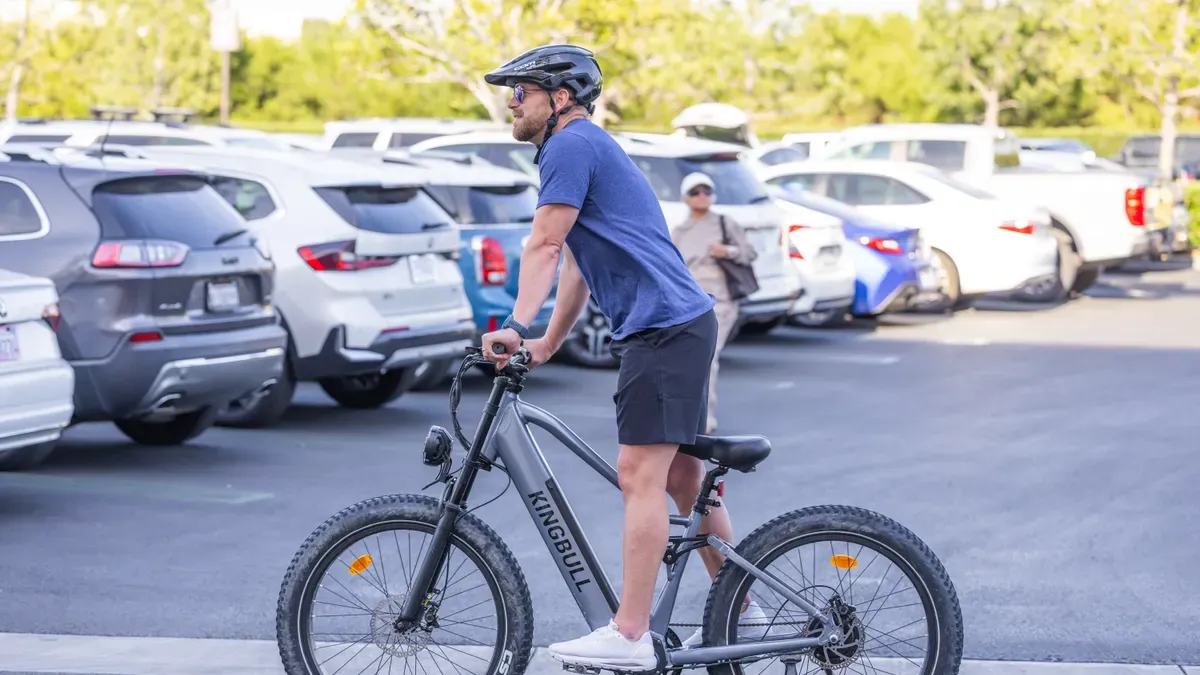
Are you wondering how to stay safe on your e-bike? Safety is especially important for beginners, as many newcomers underestimate the speed and weight. The following table shows how sharply the number of e-bike accidents has risen:
Year |
E-bike accidents |
Fatalities |
Share under 45 years |
E-bike stock (in millions) |
|---|---|---|---|---|
2014 |
39 |
39 |
10.7% |
1.6 |
2023 |
23,658 |
188 |
31.2% |
11 |
Many beginners brake too late or go too fast downhill. With these simple tips, you can start your daily rides in a relaxed and safe manner.
Important takeaways
Perform a safety check before every ride. Check your tires, brakes, battery, and lights to ensure everything is working perfectly.
Always wear a helmet to reduce your risk of head injuries. A helmet can prevent serious injuries in the event of a fall.
Keep a safe distance from other road users while riding. Riding with foresight helps you identify dangers early and avoid accidents.
E-bike safety check
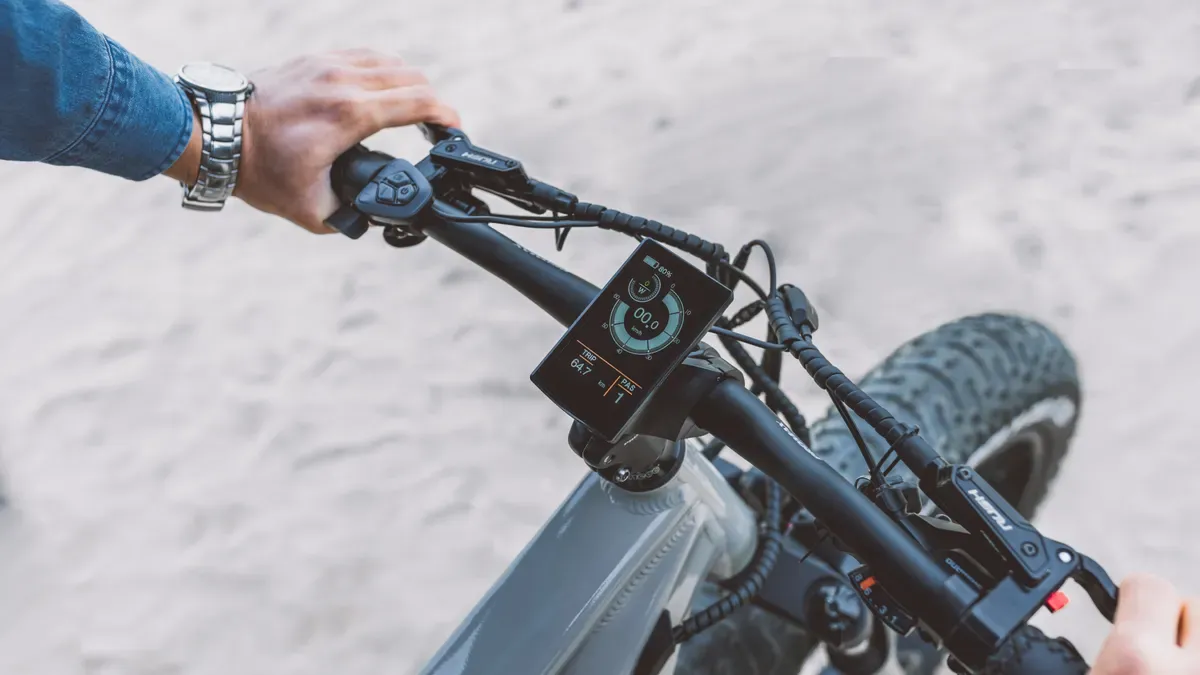
Before you set off on your e-bike, you should always perform a quick safety check. This protects you and others in traffic. With a simple routine, you can identify problems early on and fix them before they become dangerous.
Checking tires and brakes
Tires and brakes are the most important components for your safety. Check the tires for cracks, foreign objects, and tread depth. Press the tire with your thumb to check the air pressure. Low pressure makes riding unsafe and exhausting.
Tip: It is best to check the tires before every ride. That way, you'll notice quickly if something is wrong.
The brakes must always function reliably. Squeeze both brake levers and ensure the brakes engage evenly. Inspect the brake pads. They must not be too thin or worn down. If you notice that braking power is fading or the braking distance is increasing, you should replace the pads.
Warning signs that brake pads or tires need replacing:
The brake pads are heavily worn or have almost no material left.
The tires have cracks, little tread, or feel soft.
Regular maintenance is important. Experts recommend checking the brakes weekly and having them inspected by a professional every six months. You should check the tires before every ride.
Component |
Inspection frequency |
|---|---|
Brakes |
|
Tires |
Before every ride and as needed |
Checking the battery and chain
The battery is the heart of your e-bike. Check before every ride that the battery is properly seated and charged. An empty battery can catch you by surprise on the road. Make sure the contacts remain clean and dry. Store the battery at temperatures between 15 and 20 degrees Celsius to extend its lifespan. Avoid direct sunlight and extreme heat.
Tip: Do not charge the battery to 100% every time, and avoid letting it run completely empty. Partial charges are better for its longevity.
The chain should be clean and lightly lubricated. A dry or rusty chain can snap or skip. Check that the chain is correctly tensioned and does not make any unusual noises. This keeps your e-bike reliable and ensures you enjoy it for a long time.
Lighting and reflectors
Functional lighting protects you, especially in the dark or in bad weather. Before every ride, check that the front light (white) and the rear light (red) are working. Also check the reflectors on the pedals, spokes, and the bike itself.
Many accidents occur because cyclists are poorly visible. Around 40 percent of bicycles do not have sufficient lighting. With good lights and reflectors, you will be seen better and travel more safely.
In Germany, there are clear regulations for e-bike lighting:
Lighting element |
Regulation |
|---|---|
Headlight |
White light, at least 10 lux |
Taillight |
Red light |
Front reflector |
White reflector (may be integrated into the headlight) |
Rear reflector |
Red reflector (Category Z, not triangular) |
Pedal reflectors |
Yellow reflectors (one forward-facing and one rear-facing per pedal) |
Spoke reflectors |
Alternatively, reflective tire sidewalls |
Rear-view mirror |
Mandatory for S-pedelecs, must be mounted on the left |
Ensure all lights and reflectors are clean and undamaged so you remain clearly visible on every ride.
E-bike equipment
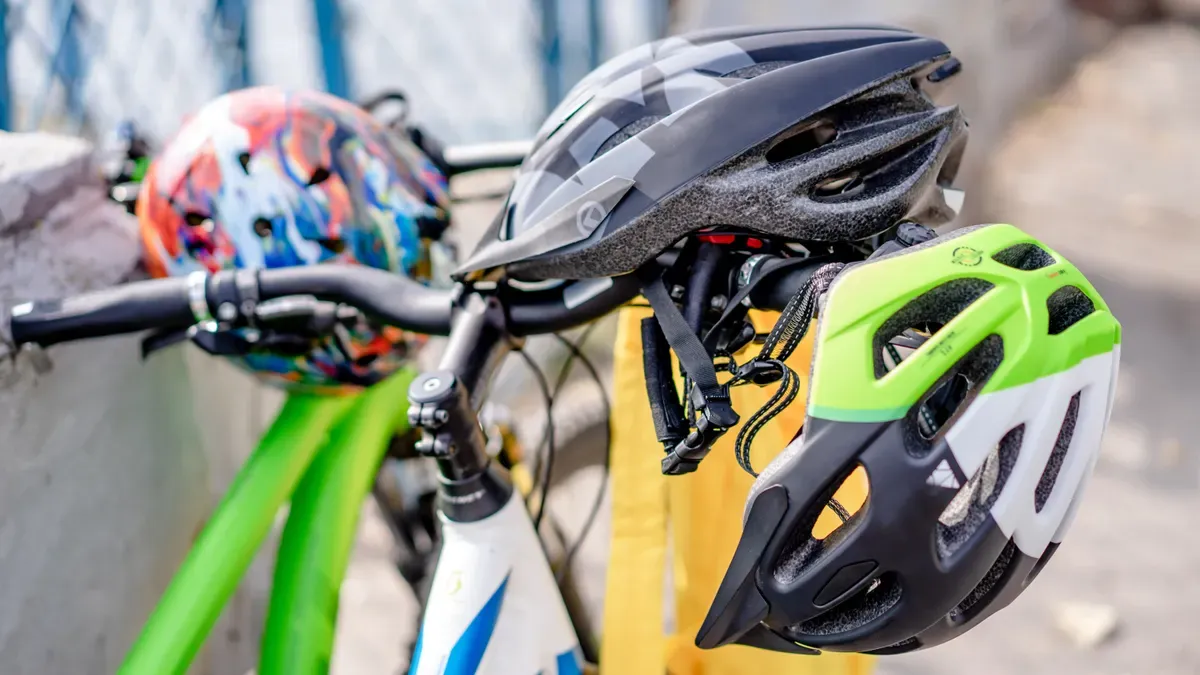
Helmet and protective clothing
You can best protect your head with a modern bicycle helmet. Studies show that helmets can reduce the risk of serious head injuries by more than half. Head injuries are among the most common and serious consequences of bicycle accidents. A meta-analysis by Olivier & Creighton (2017) examined over 64,000 injured cyclists and found that wearing a helmet significantly results in fewer severe head injuries, traumatic brain injuries, and facial injuries.
Tip: More than half of fatal bicycle accidents are due to head injuries. You can save your life by wearing a helmet.
In addition to a helmet, further protective gear is recommended:
Padded gloves protect your hands in the event of a fall.
Knee and elbow pads prevent painful injuries.
Safety jackets offer protection for the chest, back, and shoulders.
Lock and anti-theft protection
You can best secure your e-bike with a high-quality lock. U-locks and heavy-duty chain locks perform particularly well in tests. For expensive models, you should choose a lock with a security rating of at least 10. A combination of a heavy primary lock and a second lock also helps protect the battery. E-bikes are at high risk of theft, so experts recommend additional security measures.
Mechanical and digital protection offer the best level of security.
Insurance costs are high, so insurance for your e-bike is a worthwhile investment.
Lighting for visibility
You can increase your visibility with modern lighting. Reflective spray, LED light strips, and blinking functions make you more visible in traffic. Helmet lights illuminate your field of view and help you spot obstacles early. According to German road traffic regulations (StVZO), you need a white front headlight and a red rear light. Additional front and rear lights are permitted and increase your safety.
30 to 50 lux are sufficient for city riding.
70 to 100 lux are recommended for unlit paths.
Riding technique for beginners
Adjusting the seating position
The right seating position gives you control and safety while riding. Sit upright to maintain a good overview of traffic. Your hands should rest comfortably on the handlebars, and your feet should rest comfortably on the pedals. Saddle and handlebars must fit your body. An incorrect saddle height makes riding uncomfortable and can make it harder to control the bike.
An upright posture ensures comfort and better weight distribution.
Proper adjustment of the saddle and handlebars increases stability.
You should reach the pedal with a stretched leg and your heel if the saddle height is correct.
How to adjust your seat height:
Bring the pedal to the lowest position.
Place your heel on the pedal.
Extend your leg completely.
If your heel rests lightly on the pedal, the saddle height is correct.
Tip: Only adjust the saddle height upwards. This prevents pain and gives you more control.
Starting and braking carefully
Many people underestimate the power of the motor when starting off. You may accelerate too quickly and lose control. Start slowly and keep both hands on the handlebars. Press gently on the pedals to avoid sudden propulsion.
When braking, beginners often only use one brake. This increases the braking distance and the risk of accidents. Use both brake levers evenly. The extra weight of an e-bike means it takes longer to stop. A stable suspension fork, such as the SR Suntour Durolux 38 Evo X, helps shorten braking distances and provides more safety.
Always brake using both hands.
Start slowly and in a controlled manner.
Use the right technique to reduce braking distance.
Distance and defensive riding
Keep your distance from other road users. At least 80 centimeters from parked cars protects you from doors suddenly opening. Driving with foresight helps you recognize other people's mistakes. Many car drivers do not see you or underestimate your speed.
Ride defensively and do not rely on having the right of way.
Ensure that others can see you.
Tip: Always assume you might be overlooked. This helps you avoid accidents.
Stopping and getting off safely
When stopping, look for firm ground so the bike does not slip. Turn the front wheel slightly toward the edge of the path to make it easier to dismount to the side. Brake gently and keep both brakes held down. Dismount with the leg on the uphill side and lean the bike toward the hill so it remains standing securely.
Turn the front wheel toward the edge of the path.
Dismount with the leg on the uphill side.
Keep both brakes held down.
Tip: Practice stopping and dismounting in a quiet area to build confidence for everyday riding.
E-bike maintenance and protection
Maintenance and care
You can extend the life of your e-bike with regular care. A clean chain runs quietly and lasts longer. You should clean and oil the chain and sprockets regularly. Check the bolt connections and tighten them if necessary to keep your bike safe and efficient.
Tip: An annual professional inspection ensures optimal performance and safety.
Manufacturers recommend fixed maintenance intervals. The table below shows when you should have your e-bike checked:
Recommendation
At least once a year
Yes
After 3,000–5,000 km
Yes
Safety-critical components
Pay attention to brakes, tires, lighting
First inspection after purchase
After 300 to 500 km
At the latest after 2,000 km
Yes
With preventive maintenance, you identify problems early. You minimize wear and increase riding safety. A well-maintained chain and a clean drivetrain make every ride more pleasant.
Safe Parking
You can best protect your e-bike in a lockable bicycle garage. It provides protection against theft and weather conditions. Sturdy doors with multi-point locking systems and solid walls make access difficult for thieves. In a garage, your bike stays dry and clean.
Covered parking spaces protect against rain, but do not provide complete protection against theft. If you do not have a garage, park your bike in a well-lit area and use a high-quality lock. This increases security and protects your e-bike from damage.
Mastering difficult situations
Riding in bad weather
You often encounter rain, fog, or wet roads. Your visibility decreases and the ground becomes slippery. You should reduce your speed and apply both brakes evenly. Build up braking pressure slowly so you do not skid. Wear bright clothing and use reflective elements. This makes you more visible. A good tip: check that your lights are working before you set off. You protect yourself by keeping a safe distance from others and riding defensively.
Uphill and downhill
When riding uphill, shift to one or two gears lower. This improves traction. Never start directly on the fall line, but at an angle to the direction of travel. This prevents the rear wheel from spinning. In steep sections, the 'brake-move-control' technique helps you. You control the speed and keep the rear wheel stable. Proper pedal management is important, especially in hairpin bends. You maintain balance and optimize acceleration.
Shift to a lower gear for more traction.
Start at an angle, not straight uphill.
Use 'brake-move-control' on steep sections.
Pay attention to pedal management in curves.
Obstacles and emergencies
You often encounter unexpected obstacles such as branches, potholes, or suddenly appearing animals. Your agility helps you react quickly. Exercises such as shoulder rolls and hip openers improve your responsiveness. In wet conditions, apply both brakes evenly. In complex traffic situations, communicate clearly. Ring your bell early and keep your distance. This is how you avoid accidents and stay safe on your e-bike.
Tip: Practice mobility exercises regularly. This keeps you flexible and able to react quickly.
You will have a safe start with your e-bike if you follow these three tips:
Choose the appropriate assistance level for more control.
Test your brakes regularly and brake early.
Ride with foresight and keep an eye on traffic.
*Good equipment* and a safety check before every ride reduce the risk of accidents. You enjoy the fun of riding while staying protected. With practice and attentiveness, you can master any route.
FAQ
Do I have to wear a helmet for my e-bike?
You are not required to wear a helmet, but experts strongly recommend it. A helmet protects your head in the event of a fall and can prevent serious injuries.
How often should I have my e-bike serviced?
You should have your e-bike inspected at least once a year. Check the brakes, tires, and chain regularly yourself. This keeps your bike safe.
What should I do if the battery runs out on the go?
You can continue riding, but without motor assistance. Look for a safe place to charge the battery. Plan your routes so you aren't caught off guard.