
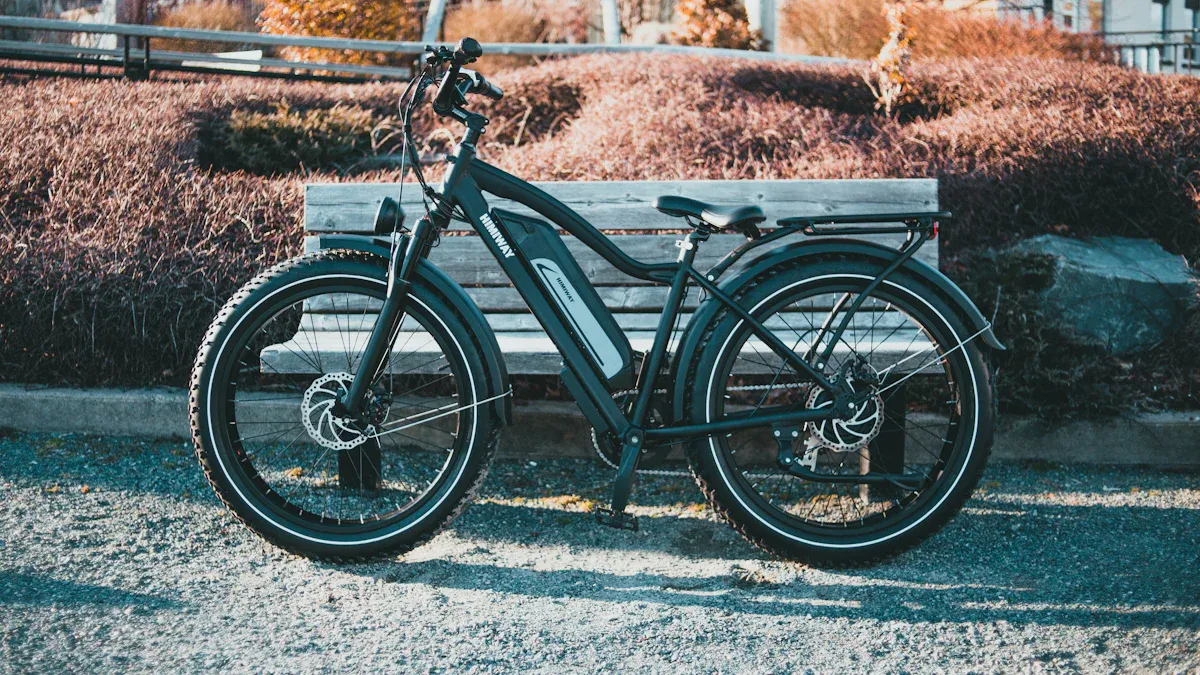
You will find the right motor by knowing your riding style and familiarizing yourself with the basics of e-bikes. A mid-drive motor is often suitable for athletic riders, while commuters usually benefit from a rear hub motor. The choice of motor directly influences your riding experience and safety. According to recent studies, high-quality motors and components enable greater mobility and comfort, especially for older people.
|
Year |
E-bike sales figures |
E-bike market share |
|---|---|---|
|
2024 |
2.05 million |
53% |
-
E-gravel bikes account for 1% of e-bikes sold.
-
The growth is 100% compared to 2023.
It is important that you look into your own needs and the e-bike basics in order to make a safe and appropriate decision.
"Key findings"
-
Know your riding style. Choose the motor that suits your area of use. Mid-drive motors are ideal for trekking, rear hub motors for commuters.
-
Pay attention to motor power. Watts and Newton meters determine how quickly and powerfully your e-bike accelerates. Choose the power that you really need.
-
Test different motors on a test ride. This way, you can feel which motor best suits your riding sensation and your needs.
E-bike basics: Motor types
Mid-drive motor
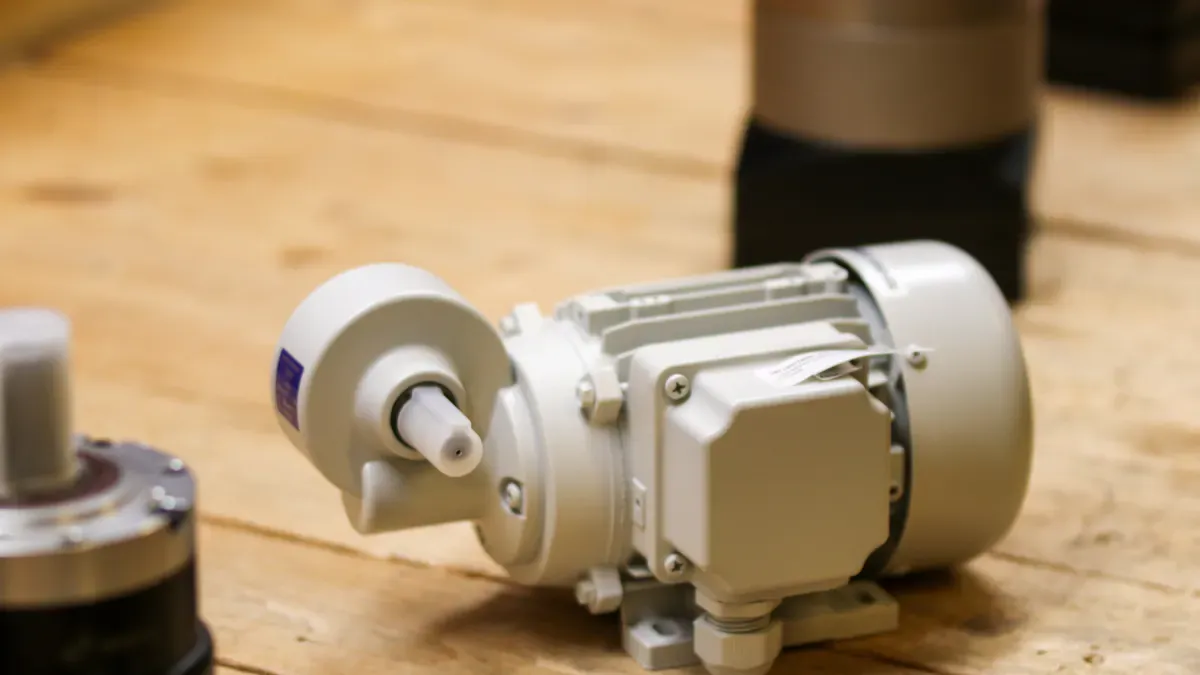
You will usually find the mid-drive motor in the bottom bracket area. This design ensures optimal weight distribution and a natural riding feel. Many experts praise the high efficiency on hills and the freedom of choice regarding shifting and braking systems. However, you must expect a higher price and more maintenance effort. The load on the chain and sprockets is greater than with other motor types.
Tip: A mid-drive motor is particularly suitable for trekking and off-road riding.
Rear hub motor
The rear hub motor is located in the rear wheel hub. It operates quietly and is low-maintenance. The riding feel remains very similar to a regular bicycle because the motor pushes from behind. You will barely feel the additional weight. Maintenance is simple, as there is less strain on the chain. However, changing a tire can be more complex because cables and connectors must be taken into account.
|
Motor type |
Strengths |
Weaknesses |
Conclusion |
|---|---|---|---|
|
Mid-drive motor |
Natural riding feel, efficient on hills |
Higher price, more maintenance |
Ideal for trekking and off-road |
|
Rear hub motor |
Low-maintenance, quiet, affordable |
Less efficient on hills |
Good for commuters and everyday riders on flat terrain |
|
Front hub motor |
Affordable, easy to retrofit |
Less traction, rarely found in high-end models |
"Solid for beginners, but a higher investment is required long-term." |
Front hub motor
The front hub motor is usually cheaper and easy to retrofit. You will often find it in entry-level models. However, traction is lower, especially in wet conditions or on loose surfaces. High-end e-bikes rarely use this type of motor. For those getting started with e-bike basics, a front hub motor can be sufficient, however.
|
Area of use |
Limitations |
|---|---|
|
Electric bicycles |
Less common, but cost-effective |
Pedelec vs. S-Pedelec
You must distinguish between a pedelec and an S-pedelec. A pedelec provides support up to 25 km/h and does not require a special license. An S-pedelec rides up to 45 km/h but requires insurance, a driver's license, and is not allowed on bike paths. For most beginners, the e-bike basics of a pedelec are sufficient.
|
Category |
S-Pedelec (up to 45 km/h) |
|
|---|---|---|
|
Speed |
Provides support up to 25 km/h via pedaling |
Provides support up to 45 km/h, often with a thumb throttle |
|
Registration |
No special registration required |
Requires registration, insurance, and a driver's license |
|
Traffic usage |
Allowed on bike paths |
Not allowed on bike paths, "helmet is mandatory" |
Selecting a motor: Criteria
Riding style & area of use
Your riding style and area of use determine which motor suits you. Do you ride mainly in the city, in the countryside, or in the mountains? Do you often transport luggage or do you usually ride alone? Your fitness level also plays a role. Many users prefer lighter and energy-efficient motors because they make the bike more agile. The requirements for the motor change if you want to tackle steep hills, long distances, or uneven terrain. A motor that fits your riding style will make better use of its strengths in everyday life.
Tip: Compare real-world experience reports from riders with similar needs. This will help you find the right motor more quickly.
Important questions for your selection:
-
Where do you ride most often?
-
How fit are you?
-
How much weight do you regularly transport?
-
What is your available budget?
Power: Watts & Newton meters
Motor power affects how quickly and powerfully your e-bike accelerates. Two values are decisive: Watts (W) and Newton meters (Nm). Watts indicate continuous power, Newton meters indicate torque. Higher torque provides more thrust, especially on hills. The following table shows how different motors affect acceleration:
|
Vehicle type |
Acceleration (m/s²) |
|---|---|
|
Conventional bicycle |
0.41 |
|
Pedelec (75 Nm) |
1.25 |
|
Avinox drive |
2.14 |
Many buyers choose motors that are too powerful and then use them in Eco mode. This can impair range and the riding feel. Consider how much power you really need.
Weight & Handling
The motor's weight affects your e-bike's handling. A light motor makes the bike more agile and easier to control. You will feel the difference especially on trails and in city traffic. Many users prefer lighter systems because they can be ridden in an energy-saving manner. Smaller motors can reach their limits when climbing hills. Models like the Shimano EP8 offer a good balance between power and handling.
Advantages of lighter motors:
-
Easier handling
-
Less effort required when pushing and carrying
-
Better riding feel in everyday life
Operating convenience & maintenance
High operating convenience makes riding more pleasant. Modern e-bikes offer various support levels that you can adjust individually. Many systems have a boost function that gives you more power for a short time. The ergonomics of the control unit are important so that you can easily reach and read everything.
Front hub motors provide immediate speed, regardless of the gear. This improves comfort, but can make steering feel heavier. They are simple and robust, which simplifies maintenance. A good network of repair shops in your area helps you get support quickly in case of an emergency.
Important criteria according to guides:
-
Torque
-
Riding feel
-
Noise level
-
System range
-
Display operation
-
Repair shop network
-
in your residential or work environment
-
Ergonomics of the control unit
Battery capacity & Range
Battery capacity determines how far you can go on a charge. It has a greater influence on range than motor efficiency. The efficiency of motors differs only slightly.
Your riding style strongly influences the range. A 500 Wh battery can manage over 100 kilometers in Eco mode. In Turbo mode, the battery is often empty after just 40 kilometers. Choose the battery capacity according to your routes and riding style.
Note: The e-bike basics will help you better understand the differences between battery capacity and range.
In summary:
-
Large batteries offer more range but are heavier.
-
Efficient riding style extends the range.
-
The choice of motor should fit your everyday life.
User profiles & Recommendations
Commuters
As a commuter, you need an e-bike that gets you to work reliably and efficiently. The choice of motor heavily influences your everyday life. The following table shows which motors are particularly suitable for daily use:
|
Motor type |
|
|---|---|
|
Rear hub motor |
Reliability, low maintenance, ideal for flat to moderate routes. |