
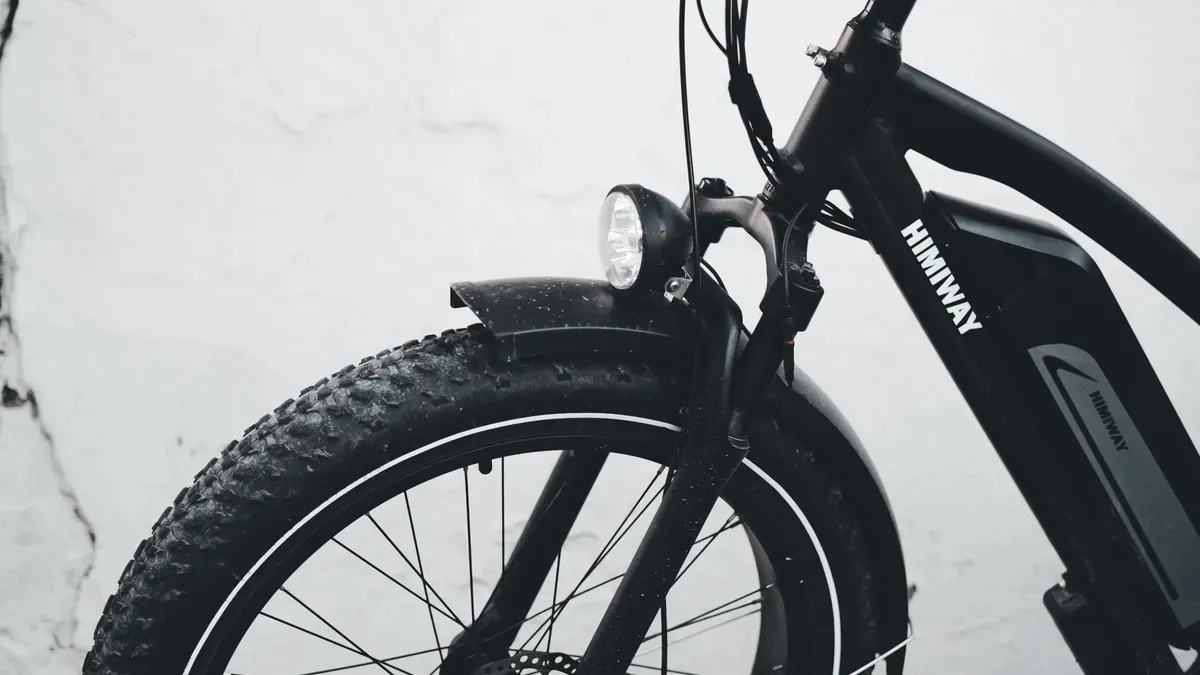
Do you want your e-bike battery to last as long as possible? Charging habits, temperature, storage, and usage play a decisive role. Even small adjustments make a big difference. By regularly keeping your battery in the optimal charge range and avoiding extreme temperatures, you can significantly extend its lifespan.
Key Findings
Keep your e-bike battery's charge level between 20% and 80%. This protects the cells and extends their lifespan.
Store the battery at room temperature between 10°C and 20°C. Extreme temperatures damage the battery and shorten its lifespan.
Always use your e-bike's original charger. It ensures the correct charging voltage and prevents overheating.
Factors Influencing Battery Lifespan
If you want your battery to last as long as possible, you should be aware of the most important influencing factors. Each factor contributes to how many charge cycles your battery can handle and how reliably your e-bike remains.
Charging Habits
You should not always fully charge or empty the battery.
Keep the charging range between 20% and 80% if possible.
Overcharging can shorten lifespan and compromise safety.
Regular charging ensures stable capacity.
Temperature
Temperature has a major impact on lifespan.
It is best to store and use the battery between 10°C and 20°C.
In freezing conditions, you should keep your e-bike indoors.
Extreme heat or cold harms the battery.
Storage
For longer-term storage, a charge level between 40% and 60% is recommended.
A dry room with a constant temperature protects the cells.
The following table shows how different charge levels affect lifespan:
Charge Level |
Impact on Lifespan |
|---|---|
Partially charged |
Slower cell aging; optimized for long-term use. |
Fully charged |
Increased cell degradation; optimal for short term, reduced for long term. |
Discharged |
Risk of deep discharge and irreversible damage. |
Usage
You should use the battery regularly and not leave it unused for too long.
Gentle usage extends lifespan.
Avoid heavy loads and ride as smoothly as possible.
Tip: If you pay attention to these factors, your battery will remain powerful for longer, and you will enjoy your e-bike more.
Charging the E-Bike Battery
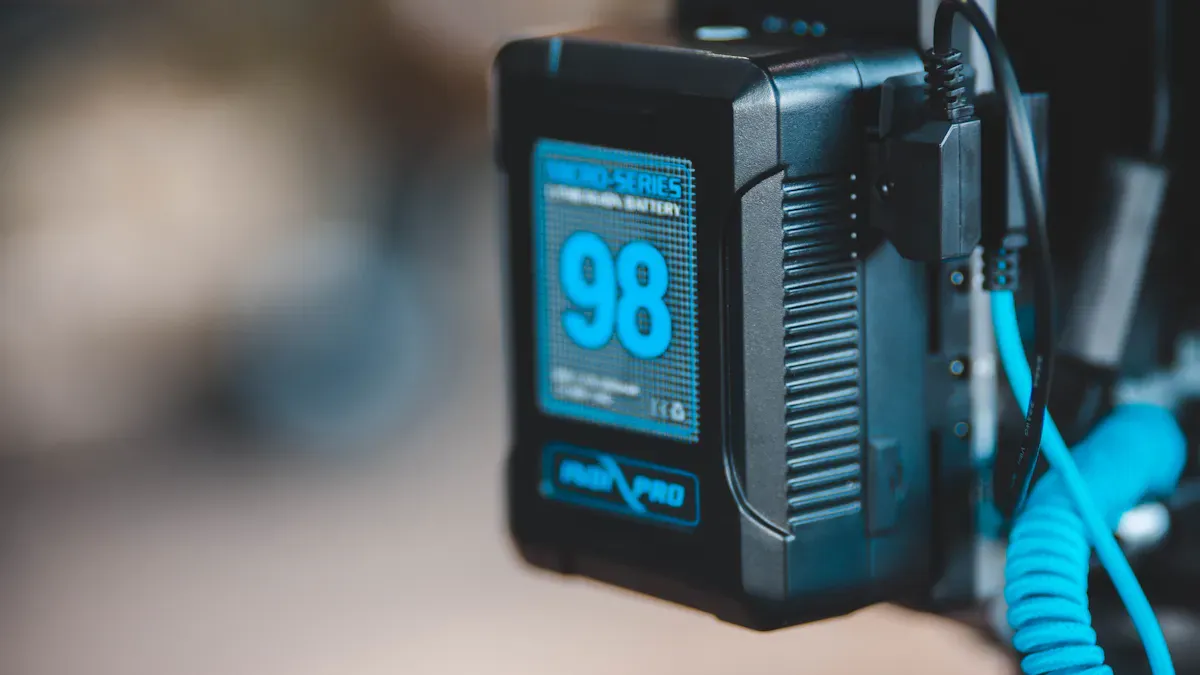
The way you charge your battery significantly determines its lifespan. By following a few basic rules, your battery will remain efficient and safe for longer.
Partial Charging Instead of Full Charging
You don't always have to charge your battery completely. Many manufacturers recommend keeping the charge level between 20% and 80%. This protects the cells and prevents rapid aging. Studies show that lithium-ion batteries last particularly long when they are neither permanently full nor empty. Partial charges do not harm the battery. You can therefore recharge after short rides without worry.
Tip: Avoid fully discharging the battery or constantly charging it to 100%. This significantly extends its lifespan.
Use the Original Charger
Always use the charger that came with your e-bike. The original charger fits the battery perfectly and protects the battery management system. Third-party chargers can lead to damage and affect safety. Manufacturers note that only the appropriate charger delivers optimal results.
The original charger ensures the correct charging voltage.
It protects against overheating and overcharging.
You avoid voiding your warranty and technical problems.
Charging at Room Temperature
Make sure to charge the battery at a comfortable room temperature. Temperatures between 10°C and 20°C are ideal. Extreme heat or cold during the charging process harms the battery and shortens its lifespan. If you have been using the battery outdoors, wait a while until it has adjusted to room temperature.
Note: Do not charge the battery in very cold or hot rooms. This protects the sensitive cells and ensures a longer service life.
Avoid Overcharging
Do not leave the battery unattended while charging, especially overnight. Remove the charger as soon as the battery is full. This prevents overheating and fire risks. While modern batteries have safety mechanisms, mindful handling increases safety.
Overcharging can shorten lifespan.
A charge level between 20% and 90% is considered optimal.
You should also avoid deep discharge.
If you charge and discharge regularly, your battery stays in shape. Frequent short trips with recharging are better than rare, complete discharges. With these simple rules, you will enjoy your e-bike for a long time.
Storing the Battery
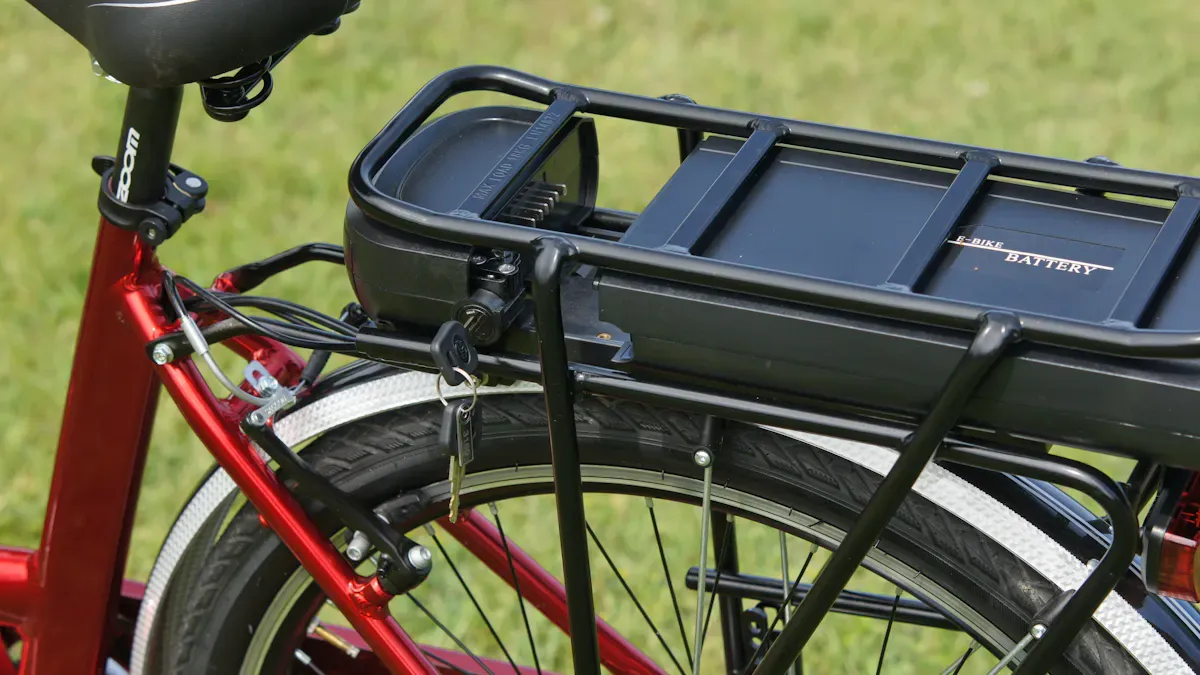
Proper storage of your battery ensures it remains powerful for a long time. You can significantly extend your battery's lifespan with simple measures. Pay attention to the correct charge level, a suitable environment, and protect the battery from harmful influences.
Ideal Charge Level
The charge level plays an important role in storage. You should never store the battery completely empty. An optimal range is between 30 and 60 percent. This prevents deep discharge and protects the cells from premature aging. Especially during longer periods of storage, for example in winter, it is recommended to check the charge level regularly and recharge if necessary.
Store the battery at 30–60% capacity.
Avoid complete discharge.
Check the charge level every few weeks.
Tip: A battery with about 60% charge remains stable for months and loses almost no power.
Cool, Dry Environment
The ambient temperature strongly influences your battery's lifespan. It is best to store the battery at room temperature, i.e., between 10 and 20 degrees Celsius. Temperatures that are too low, especially below 10 degrees, reduce energy efficiency. High temperatures, such as from direct sunlight, accelerate cell aging. A constant temperature protects the cell structure and ensures a long lifespan.
Keep the temperature as constant as possible between 10 and 20 °C.
Avoid frost and intense heat.
Always store the battery in a dry and protected place.
Protection from Sun and Moisture
Sun and moisture can harm your battery. Direct sunlight increases the internal temperature and disrupts chemical processes. This leads to faster aging and reduces capacity. Moisture can cause corrosion and damage the electronics. A wet battery should always be dried quickly before you use or charge it again.
Protect the battery from direct sunlight.
Keep it away from moisture and water.
Dry off a damp battery immediately.
Note: Never charge a damp battery. Wait until it is completely dry to avoid damage.
With these simple rules, you ensure that your e-bike battery continues to function reliably even after a long break.
Protecting the E-Bike Battery
Protection from Cold and Wetness
You should always protect your battery from cold and wetness. Moisture and low temperatures can severely impair performance and lifespan. It is best to store the battery at room temperature and keep it dry. Temperatures between 10 and 20 degrees Celsius are ideal. If you do not use your e-bike in winter, charge the battery to about 70 percent and check the charge level every two months. Protect the battery on the go with mudguards or weatherproof covers against splash water and rain.
Store battery at room temperature
Charge level for longer breaks: approx. 70%
Recharge regularly, especially during long periods of non-use
Use mudguards and covers against moisture
Tip: A dry and warm storage location extends your battery's lifespan.
Using Battery Protection
Many e-bike riders use special protective covers to keep the battery safe from environmental influences. You should be careful, however. Tests show that cheap covers often do not offer sufficient protection. Some cheap charging bags can even become dangerous because they trap heat and thus increase the risk of damage. Make sure that the battery remains well-ventilated and does not overheat.
Avoid Shocks
Strong shocks, impacts, or vibrations damage the battery. They can damage the internal structures and shorten its lifespan. You should always secure the battery firmly to the e-bike so that it does not shift. This protects the sensitive internal separator layers and ensures reliable function.
Note: Check regularly whether the battery is seated securely and that there are no loose parts.
Optimizing Riding Style
Your riding style has a direct influence on the battery's lifespan. With simple adjustments, you can increase range and protect the battery.
Use Eco Mode
You can significantly extend your range with Eco mode. Manufacturers show that you can ride two to three times as far in Eco mode as in Turbo mode. A 625 Wh battery covers over 100 kilometers in Eco mode, but only about 40 kilometers in Turbo mode. Eco mode saves energy and puts less strain on the battery. You benefit from longer rides and reduce cell aging.
Less strain on the battery
More riding pleasure with less energy consumption
Tip: Use Eco mode especially on long tours or in everyday life to save the battery.
Check Tire Pressure
Optimal tire pressure reduces rolling resistance. You use less energy and increase your range. Tire pressure that is too low increases the contact patch between tire and road. This increases friction and energy consumption. Check tire pressure regularly and adjust it according to manufacturer specifications.
Pressure that is too low reduces range
Less rolling resistance ensures longer battery life
Ride Predictively
Predictive riding saves energy and protects the battery. You avoid frequent stopping and accelerating. Studies show that stop-and-go riding puts more strain on the battery. Plan intermediate charging stations for longer tours and use Eco mode to increase range.
Riding Style |
Impact on Battery Life |
|---|---|
Stop-and-go |
Strains the battery, shortens range |
Predictive riding |
Saves energy, increases range |
Note: Ride smoothly and predictively to extend the battery's lifespan.
Recognizing Wear and Disposal
Declining Performance
You often recognize battery wear through typical signs. Watch out for these warning signals:
The range drops suddenly and significantly.
The battery no longer charges fully or discharges very quickly.
There is an unusually large amount of heat generated during charging.
The capacity drops abruptly.
If you notice such changes, you should not continue to strain the battery. A sudden drop in performance can indicate a defect in the cells. Significant heating during charging is also a warning signal. Check performance and charging behavior regularly so that you can detect problems early.
Tip: Make a note of your range after every charge. This way, you will notice changes faster.
Battery Replacement
Sometimes the only solution is to replace the battery. If performance is permanently declining or the battery no longer charges reliably, you should consider a new one. An old battery can jeopardize the safety of your bike. Replace the battery in good time to avoid breakdowns. Many specialist dealers offer a battery replacement service and can advise you on the right choice.
Environmentally Friendly Disposal
Old batteries do not belong in household waste. In Germany, there are many options for environmentally friendly disposal. Certified collection points will take back your old battery free of charge. You can find them at bicycle shops, electronics stores, hardware stores, supermarkets, and recycling centers. Specialized return systems like GRS Batterien ensure safe handling. Important raw materials are recovered through modern recycling processes such as hydrometallurgical or pyrometallurgical methods. In this way, you protect the environment and help reuse valuable materials.
Note: Always hand in your old battery at an official collection point. By doing so, you are making an important contribution to environmental protection.
Follow these tips for a longer battery life:
Always charge the battery indoors.
Remove the battery when not in use and store it at a constant temperature.
Discharge and charge regularly for stable capacity.
In winter, the range often drops significantly. You protect your battery through proper care and ensure greater safety.
FAQ
How often should I charge my e-bike battery?
You should charge the battery regularly. Do not wait until it is completely empty. It is best to keep the charge level between 20% and 80%.
Can I leave my battery outside in winter?
Do not leave the battery outside. Cold temperatures damage the cells. Take the battery inside and store it at room temperature.
What should I do if the battery gets wet?
Dry the battery immediately with a cloth.
Only charge it when it is completely dry.
Moisture can cause damage.