
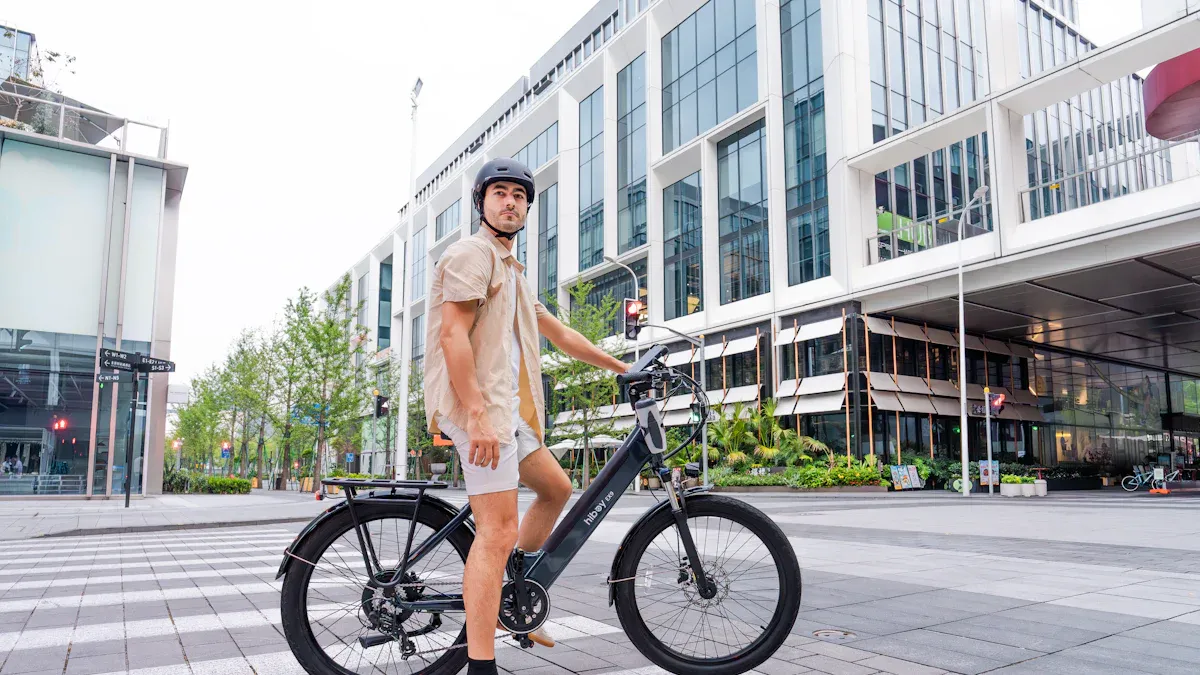
Are you looking for a bike that can take you through the city and on mini-adventures? A good bikepack bike for urban e-bike enthusiasts offers exactly that: comfort for long distances, safety in traffic, and clever luggage transport. Many love trekking e-bikes because they are flexible and powerful. The selection is huge, and depending on your riding style, you can find models that noticeably improve your experience:
Trekking e-bikes score points with strong motors and long range.
Modern bikepacking bags are lightweight, waterproof, and offer plenty of storage space.
With the right choice, you'll enjoy every tour – no matter where your path takes you.
Key Takeaways
Choose a lightweight and robust bike to make handling in the city easier and to increase riding enjoyment.
Reduce your luggage to the essentials to ensure flexibility and agility when bikepacking.
Pay attention to safety features like strong brakes and good lighting to ensure you are safe in traffic.
Use frame-mounted bags for stable luggage transport that doesn't affect handling.
Plan your tours carefully to find the best routes and stops for a relaxed bikepacking experience.
What is Bikepacking?
Definition
Imagine combining the adventure of mountain biking with the feeling of freedom that comes with backpacking. That is exactly what bikepacking is! You pack only what you need and attach everything directly to your bike. This keeps you flexible, allowing you to explore spontaneous paths. In bikepacking, it's not just about the destination, but above all the journey there. You feel the wind in your face, discover new corners, and enjoy the movement.
Many bikepackers use special, lightweight bags. You distribute these on the frame, the seat post, or the handlebars. This keeps your bike agile and makes for more fun on the road. You don't need heavy racks or large panniers. Less ballast means more freedom on your bike.
Tip: Reduce your luggage to the essentials. This keeps your bike light and makes every route more fun!
Differences from classic bike touring
You might be wondering how bikepacking differs from a classic bike tour. The differences are quite interesting! Check out this table:
Aspect |
Bikepacking |
Classic Touring Bike |
|---|---|---|
Luggage |
Minimalist, distributed in special bags |
Heavier racks and panniers |
Focus |
Riding enjoyment and the bike itself |
Travel as the priority |
Sporty component |
Emphasized, allows for sportier routes |
Less emphasized, often a more relaxed holiday |
In bikepacking, the focus is on the joy of riding. You combine mountain biking and backpacking. The luggage remains minimal so you can be sporty on the road. Many classic bike tours prioritize comfort and large panniers, and tend to be more relaxed.
Bikepacking combines mountain biking and backpacking.
You reduce your luggage to a minimum.
The focus is on the fun of riding, not just the travel.
With bikepacking, you discover the city and surrounding areas in a whole new way. You are flexible, athletic, and always ready for mini-adventures!
Bikepack Bike Features
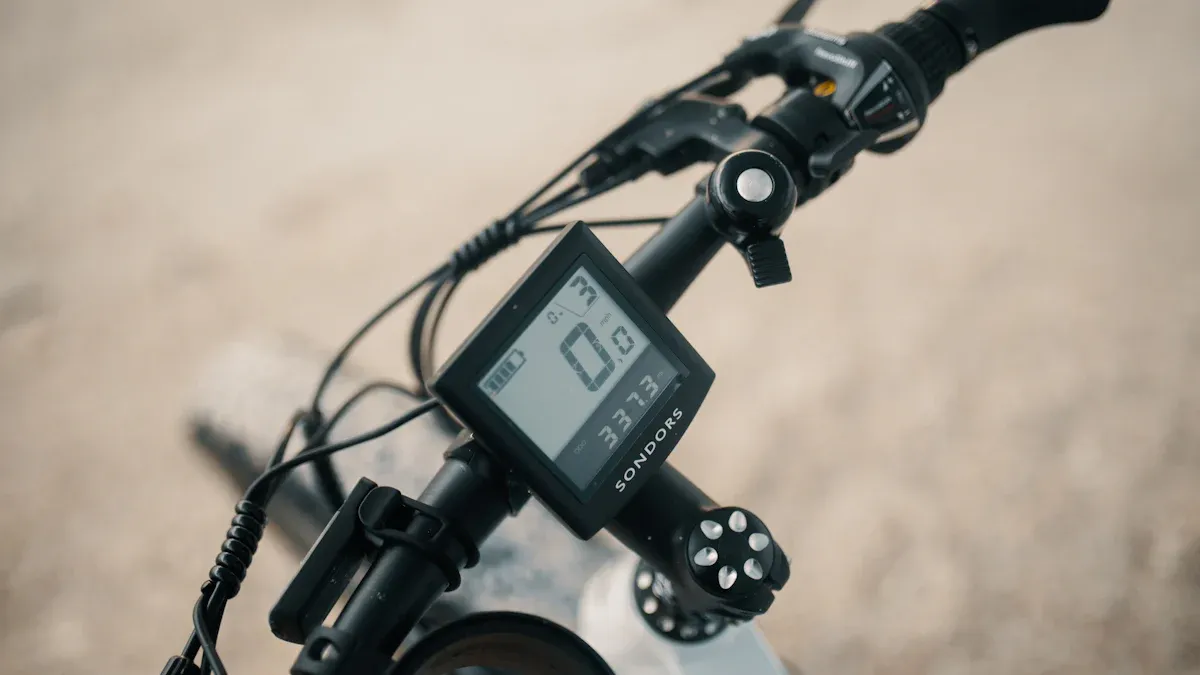
Frame & Geometry
Choosing the right frame is what makes your bikepack bike truly suitable for everyday use. You will find various frame shapes that suit different needs:
Diamond frame: You often see this classic shape on men's e-bikes. It offers stability and a sporty seating position.
Trapezoidal frame: Many sporty women's e-bikes use this frame. It combines comfort with a dynamic look.
Step-through frame: This design lacks the top tube. You can get on and off particularly easily. This is practical if you have to stop often.
With the right geometry, you sit comfortably and can control your bikepack bike safely – whether you're riding through the city or taking a small detour into the countryside.
Weight & Material
The weight of your bike affects how you move around the city. A lightweight bikepack bike is easier to steer. You can navigate around obstacles more easily and feel safe even with luggage. A heavy bike makes steering sluggish. Especially with poor luggage distribution, handling becomes difficult.
When it comes to material, you have a choice. Here are the most important options:
Material |
Advantages |
Disadvantages |
|---|---|---|
Steel |
Very robust, durable, easy to repair |
Relatively heavy, can rust |
Aluminum |
Lightweight, affordable |
Less comfortable, can suffer from fatigue faster |
Carbon |
Very lightweight, comfortable |
Expensive, sensitive to impacts |
Titanium |
Lightweight, durable, high riding comfort |
Very expensive, rarely available |
Many rely on aluminum because it is light and affordable. Carbon scores points on weight but is more sensitive. Steel can withstand a lot but adds more kilos to the scale.
Battery life
The battery life determines how far you can go with your bikepack bike. Modern e-bikes offer you different capacities. Here is an overview:
Range (km) |
|
|---|---|
400 |
60 - 80 |
750 |
up to 150 |
Average |
50 - 80 |
With a 700 Wh battery, you can manage 70 to 100 kilometers on normal roads. If you are planning longer tours, this battery is often enough for a whole day. Off-road, the range can drop to about 60 kilometers. For distances between 50 and 100 kilometers, you are on the safe side with a large battery. This way, you don't have to constantly look for a power outlet.
Comfort
Comfort makes the difference when you are on the road for a long time. An ergonomic seat helps you avoid fatigue. Many users swear by wide footrests because they offer more stability. A folding mechanism makes transporting and storing your bike easier. With a speed controller, you can quickly adjust the pace to your needs.
Comfort features |
Description |
|---|---|
Ergonomic seat |
Less fatigue on long stretches |
Folding mechanism |
Easy transport and storage |
Wide footrest |
More stability while riding |
Speed controller |
Quick speed adjustment |
Tip: Test different saddles and handlebars before you decide. Your bikepack bike should feel like a favorite place!
Safety
Safety is always the top priority. Good brakes ensure that you come to a stop quickly, even in wet conditions. Models from well-known brands like Gazelle or Canyon show particularly strong performance here, especially with the rear brakes. All current e-bikes offer you solid braking power for city traffic.
The lighting plays a major role. Bright lights make you visible in the dark. There are many models with additional functions that increase your safety. Especially in autumn and winter, it is worth looking at the best e-bike lights.
Don't forget anti-theft protection. A sturdy lock protects your bikepack bike when you have to park it somewhere.
Strong brakes for all weather conditions
Bright, reliable lighting
Secure lock against theft
With these features, you are perfectly equipped for any urban bikepacking tour.
Luggage & Transport
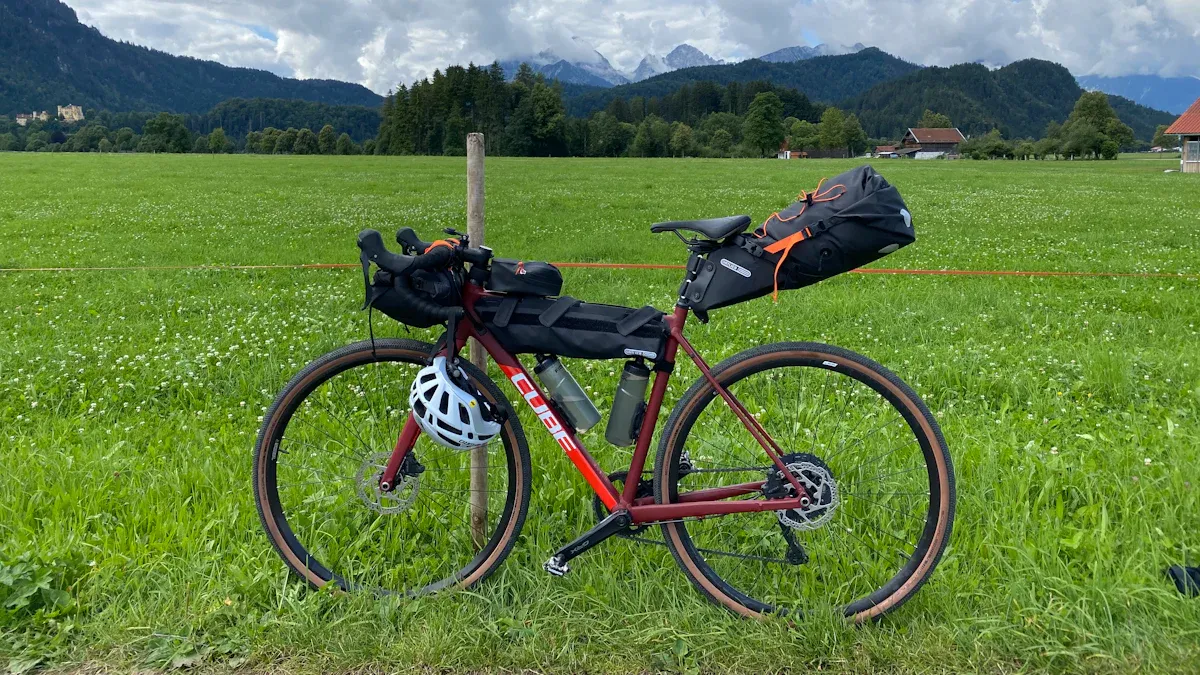
Frame-mounted bags
Would you like to transport your luggage safely and comfortably? Then you should rely on frame-mounted bags. These bags are particularly popular for bikepacking because they are attached directly to the frame of your bike. This offers many advantages:
They don't slip and remain stable even in corners.
Even on uneven paths, everything stays quiet and you don't hear any annoying noises.
With frame-mounted bags, your bikepack bike remains agile and you always have everything at hand. You can concentrate fully on the ride and don't have to worry about your luggage.
Backpack choice
Sometimes the space on your bike is not enough. That's when a small, comfortable backpack comes into play. When choosing, you should pay attention to a few things:
Good back padding and a ventilation system ensure comfort.
Adjustable shoulder, chest, and hip straps help you distribute the weight optimally.
Many compartments make packing clear and organized.
A compartment for a hydration bladder is practical if you want to drink a lot on the go.
Look for robust, waterproof material.
The backpack should still feel comfortable after several hours.
Tip: Try out different models before you decide. That way, you'll find the perfect companion for your next tour.
Amount of luggage
How much luggage do you really need? Many urban bikepackers only take the bare essentials. The following table shows you approximately how much weight you should plan for:
Category |
Weight (kg) |
|---|---|
Equipment (incl. bags and tech) |
9 |
Provisions and water (average) |
1.5 - 2.5 |
With this amount, your bikepack bike remains light and you are flexible on the road. Less is often more – so you can enjoy every ride without unnecessary ballast.
Selection & Equipment
Finding the right model
Do you want a bike that fits your everyday life and prepares you for every adventure? Take a look at the most popular models for urban e-bike enthusiasts. They offer comfort, a slim design, and practical features. The following table shows you three top models that are often recommended:
Model |
Price |
Features |
|---|---|---|
Canyon Commuter:ONfly 7 |
€3,499 |
Urban specialist bike, slim design, high everyday suitability, removable battery, lightweight |
Moustache Dimanche 29.4 EQ |
N/A |
Useful features for urban use, suitable for adventures and sporty riding |
ROSE BACKROAD Plus EQ |
N/A |
Useful features for urban use, suitable for adventures and sporty riding |
With these models, you will find a bikepacking bike that will reliably get you through the city and is also suitable for longer tours.
Must-have accessories
Wondering which accessories you really need? Here you will find an overview to make packing easier:
Ultra-functional roll bag for organization and space for a CO2 cartridge and tire levers
Magnetic universal mount from Fidlock for beverage cans and additional equipment
Personal luggage
Bags for bikepacking
With the right equipment, you can start your next adventure in a relaxed manner. Pack your bags cleverly so that you have everything within reach.
Tip: Choose accessories that are lightweight and robust. This keeps your bike flexible and ensures you are prepared for any situation.
Care & maintenance
Do you want your e-bike to last a long time? Then pay attention to regular care and maintenance. Here are some important tips:
Avoid extreme temperatures to protect the battery's performance.
Charge the battery regularly and use the recommended charger.
Remove the battery during longer breaks and store it in a cool place.
Avoid overcharging so that the battery lasts longer.
Check the motor and software to ensure everything is working optimally.
Use professional diagnostic tools for the battery.
Clean components ensure reliable operation. You save energy and always have a safe riding experience.
Tour planning
Good tour planning is what makes your urban bikepacking experience truly relaxed. You don't want to end up in front of a closed road or realize you don't have enough time for your favorite POIs. With a little preparation, you will find the perfect balance between adventure and comfort.
Route selection
The choice of the right route determines how much fun you have on your tour. You should keep a few important points in mind to ensure you are riding safely and in a relaxed manner:
Route length: Adjust the distance to your fitness level and time frame. Routes that are too long can quickly become stressful.
Type of path: Consider whether you prefer to ride on paved bike paths, country roads, or gravel paths. Each surface feels different.
Surface quality: A good surface makes for a pleasant ride and saves energy.
Availability of food and drink: Plan breaks where you can refuel. You should also keep an eye out for accommodation options.
Sights: Include highlights and interesting places in your route. This keeps the tour varied.
Tip: Use digital maps and apps to plan your route. Many even show you cafes, water points, or sights along the way.
Time management
Do you want to arrive relaxed and still experience a lot? Then it's worth taking a look at the time management of experienced bikepackers. The following table shows you what they pay attention to:
Aspect |
Description |
|---|---|
Route planning |
Digital providers help you find suitable routes. Information is often scattered. |
Accommodation |
Bivouac areas and trekking sites offer flexible sleeping options in the city or in the countryside. |
Getting there and back |
Good bus and train connections save you long car journeys and make planning more flexible. |
Sleeping comfort |
A tent, sleeping bag, and sleeping mat ensure restful nights on the road. |
Nature experience |
Many enjoy sleeping outdoors as part of the adventure. |
Plan enough time for breaks, photos, and small detours. This keeps your tour relaxed and allows you to enjoy every moment.
Avoiding mistakes
When bikepacking in the city, you can quickly make typical mistakes. But many of them are easy to avoid. Here you can find out what you should pay attention to so that your adventure doesn't turn into a breakdown-filled trip.
Wrong priorities
You want to get started and are full of anticipation. But sometimes you set the wrong priorities. Many concentrate only on the chic design or the latest technology. Yet other things matter much more when bikepacking:
Comfort: A comfortable saddle and ergonomic grips make long rides more pleasant.
Battery life: A powerful battery will get you to your destination safely.
Safety: Good brakes and bright lights protect you in road traffic.
Tip: Test your bike before your first big tour. This way you will quickly notice if everything fits and you feel comfortable.
Neglected maintenance
Your e-bike needs regular maintenance. Many people forget this in everyday life. An unmaintained bike quickly loses performance. You risk breakdowns and expensive repairs. With a few simple steps, you can keep your bike in shape:
Clean your bike after every tour.
Check the brakes and tire pressure regularly.
Charge the battery in good time.
Check the chain and oil it if necessary.
A small checklist helps you not to forget anything:
Task |
How often? |
|---|---|
Cleaning |
After every tour |
Check brakes |
Weekly |
Charge battery |
After every ride |
Oil chain |
Monthly |
Security loopholes
Safety always comes first. Many underestimate the dangers of city traffic. A weak lock or a lack of lighting make your bike an easy target. A poorly adjusted helmet also won't protect you properly.
Always use a sturdy lock.
Check the lights before every ride.
Wear a helmet that fits correctly.
Remember: Your safety is the top priority. Better to check once too often than once too little! 🚲
You now know the most important features for your perfect bikepacking bike. Pay attention to comfort, safety, and clever luggage distribution. Experts recommend stowing heavy items close to the frame and packing light things on the outside. With good lighting, a sturdy lock, and small extras like gummy bears or a power bank, you are perfectly equipped:
Bicycle lock, lighting, water bottles
Map, bike computer, headlamp
Detergent, chamois cream, garbage bags
Start your adventure! In the bikepacking community, you will find joy, support, and many new paths. Your e-bike turns every tour into an experience – try it out and find your own style! 🚲
FAQ
How much luggage should I take with me when bikepacking in the city?
Pack only the bare essentials. Less weight makes your ride more pleasant. You usually only need clothing, tools, water, and snacks. You can often get everything else on the go.
Do I need special e-bike bags for bikepacking?
Yes, special bags help you a lot. They sit firmly on the frame and do not slip. This keeps your bike stable and you have quick access to your belongings.
What is the best way to protect my e-bike from theft?
Always use a high-quality lock. Park your bike in busy places. Remove the battery if you are away for a long time. A GPS tracker can provide additional help.
Can I go bikepacking with any e-bike?
You can use almost any e-bike. However, pay attention to range, weight, and comfort. A lightweight, robust model with good battery performance makes bikepacking much easier for you.