
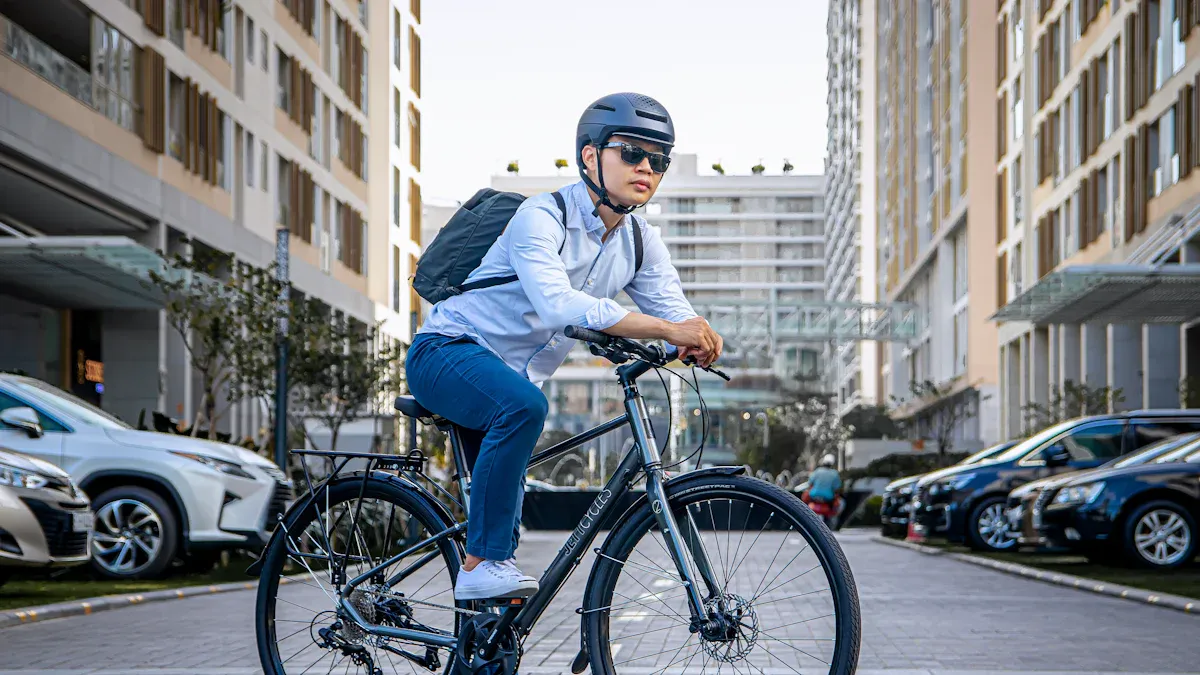
Are you looking for a bike that can do almost anything? A cross bike combines versatility, robustness, and a modern electric drive. Whether you are riding on asphalt or gravel paths, this bike fits into your everyday life. Many modern riders appreciate its flexibility and suitability for daily use. In Germany, around 4,000 to 5,000 people choose such a model every year. Maybe you'll be one of them soon!
Key takeaways
Cross bikes offer versatility for various surfaces. They are ideal for city rides and light off-road use.
When buying, pay attention to the motor and battery capacity. These factors determine the performance and range of your cross bike.
The right seating position is crucial for ride comfort. Have your bike adjusted to avoid pain.
Regular maintenance is important. Clean your cross bike and check the brakes and tires regularly.
A test ride helps you find the right model. Test different routes to experience its versatility.
What is a cross bike?
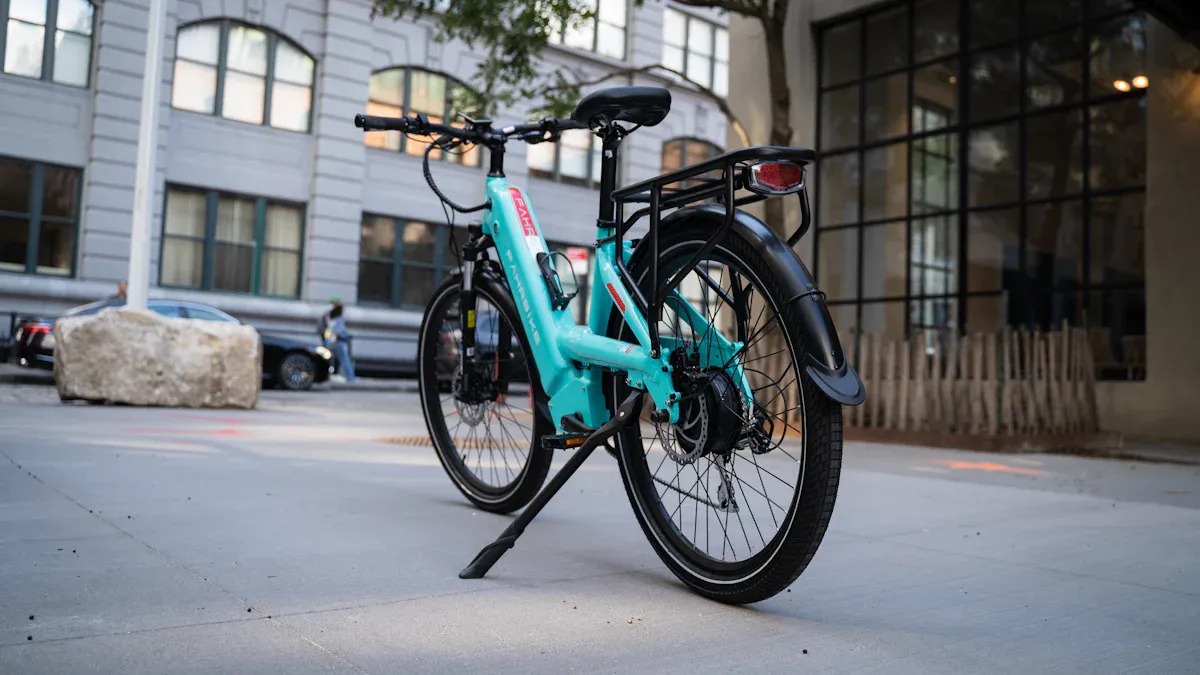
Definition and features
Imagine you want a bike that doesn't limit you. A cross bike gives you exactly that freedom. It combines the best qualities of different bike types. You get a bike that is almost as light as a road bike but with a more robust build. The gearing remains simple, so you don't have to deal with complicated settings.
Here is what makes a cross bike special:
It resembles a trekking bike, but you won't find a luggage rack on the frame.
The weight falls between a mountain bike and a road bike. This allows you to ride fast, but also handle the occasional curb.
The gear system is easy to operate. You don't have to think twice about how to find the right gear.
You ride comfortably on the road while still having enough grip on gravel or forest paths.
The tires are slightly knobbier. They provide safety if the surface becomes slippery.
You can also use a cross bike to explore light to moderate terrain, such as forest trails or dirt roads.
Tip: If you are looking for a bike that accompanies you in everyday life and on small adventures, then a cross bike is a perfect fit for you.
Origin and development
Perhaps you are wondering how the cross bike came to be. The story begins with mountain bikes. Over time, many riders wanted a bike that was suitable not just for steep mountains, but also for longer distances. This led to new categories like down-country bikes. They combine the downhill capability of mountain bikes with the lightness of cross-country models. The boundaries are blurring more and more. From this, a new bike genre has emerged that adapts to your daily life.
Technical innovations have made the cross bike even more versatile:
Modern suspension systems provide more safety and comfort. You can even use electronic settings.
New braking systems, for example with ceramic discs, give you more control, even in wet conditions.
Digital technology like GPS tracking helps you analyze your routes and improve your riding style.
With these developments, you get a bike that accompanies you everywhere—whether you are commuting to work or discovering new trails on the weekend.
Cross bike: Advantages in everyday life

Versatility and robustness
Do you want a bike that can do more than just get you to work? Then a cross bike is just right for you. It combines the strengths of mountain bikes and trekking bikes. This gives you a bike that is flexible and robust. You can use it for sporty riding, but also for cruising through the city in a relaxed manner. The combination of a strong frame and electric drive makes the cross bike your perfect everyday companion.
Here is what a cross bike brings to city traffic:
Flexibility: You can use your bike on various paths, whether asphalt or gravel.
Sporty efficiency: Robust gear systems and hydraulic disc brakes give you control and safety.
Comfort: The upright seating position is easy on your back and provides a good overview. Modern materials make the bike lighter.
If you use your bike often, you want to rely on its quality. Compared to city bikes, a cross bike can withstand more. Look at the difference:
Feature |
Cross bike |
City bike |
|---|---|---|
Weight |
Low weight, light |
Heavier, often with accessories |
Stability |
Stable and robust in comparison |
Stable, but less sporty |
Equipment |
Less equipped, high additional costs |
Better equipped for city traffic |
Usage |
More for relaxed rides |
Suitability for city and terrain
With a cross bike, you are not restricted to one type of surface. You can ride safely through the city, but also on dirt paths or in the woods. The tires offer enough grip if the path becomes uneven. You don't have to decide whether you prefer to ride on asphalt or gravel. Your bike can handle both.
Here is where a cross bike performs particularly well:
Surface |
Suitability |
|---|---|
Road |
|
Light to medium terrain |
Well suited |
Forest |
Possible |
Many user groups benefit from this versatility. Maybe you are one of them:
Commuters who ride to work daily.
Touring riders who love exploring longer distances.
Leisure riders who love variety.
Sporty riders who value fitness and comfort.
High load capacity and user-friendliness
Do you want to carry more? No problem. On average, a cross bike supports up to 130 kg total weight. That's more than many other e-bikes can manage. So you can occasionally take along heavy bags or groceries without worrying.
E-Bike Type |
Permissible total weight |
|---|---|
Cross E-Bike |
130 kg |
Other E-Bikes |
N/A |
Operation remains simple nonetheless. You can adjust the gears quickly and enjoy the assistance of the motor. The high-quality equipment ensures that you can count on your bike—no matter how often you use it.
Tip: Test different models to find the cross bike that best suits your daily routine. This way, you will discover how much fun and freedom a versatile e-bike can bring.
Cross bike vs. other e-bikes
Differences from city and trekking bikes
You might be wondering how a cross bike differs from a city bike or trekking bike. You will feel the differences from your very first ride. Cross bikes are sportier and more versatile. They accompany you on the road as well as on light terrain. City bikes, on the other hand, feel most at home on paved paths and short distances.
Here is a quick overview of the most important differences:
Feature |
Cross bike |
City bike |
|---|---|---|
Area of use |
Road & light terrain |
Paved paths & shorter distances |
Weight |
Lighter frame (Alu/Carbon) |
Medium-heavy (Alu/Steel) |
Seating position |
Sporty, but not extreme |
Comfortable & upright |
Tires |
35–45 mm, slightly treaded |
28–35 mm, smoother or slightly treaded |
Equipment |
Without lights & mudguards |
Fully equipped according to road traffic regulations |
Tip: If you value flexibility and sporty riding, a cross bike suits you better than a classic city bike.
Trekking bikes also differ from cross bikes. You get comfort and versatility with both, but the focus is set differently:
Cross bikes are sportier and suitable for various surfaces.
They have a light frame and narrower, treaded tires.
Trekking bikes are built for longer tours and light terrain.
Both are considered all-rounders, but cross bikes offer more speed and sporty usage.
Trekking bikes are ideal for tours, cross bikes for asphalt, forest paths, and dirt roads.
Comparison with mountain bikes
You might be considering whether a mountain bike wouldn't be the better choice. Here, there are clear differences:
Cross bikes are well-suited for light terrain and roads.
Mountain bikes are made for difficult off-road trails.
With a cross bike, you get more flexibility for everyday life and travel.
Mountain bikes offer maximum control off-road, but less comfort on asphalt.
Cross bikes are ideal if you want to combine road and loose surfaces.
Mountain bikes fit you if you don't want to compromise in the terrain.
Note: With a cross bike, you are flexible on the move—whether you are commuting to work or taking a spontaneous trip into the countryside.
Purchase criteria for cross bikes
Motor and range
Do you want power and stamina? Then pay attention to the motor and battery capacity. The motors vary by manufacturer and offer different advantages:
Motor type |
Special features |
|
|---|---|---|
Honda |
CRF 450 R |
Smooth, high performance, optimized for motocross |
KTM |
450 SX-F |
High pressure, modified for motocross |
Suzuki |
RM-Z 450 |
Characterful, easy to handle |
Kawasaki |
KX 450 F |
Strongest MX1 motor, high performance |
Range depends on the battery. The more watt-hours, the further you go. Take a look at the typical range:
Battery capacity |
Range (Pedelec mode) |
Range (off-road mode) |
|---|---|---|
550 Wh |
approx. 60 km |
approx. 40 km |
1,100 Wh |
approx. 120 km |
approx. 80 km |
Your weight and the terrain further influence the range. Consider how far you want to ride and where you will be traveling.
Weight and frame
Weight plays a major role. For hobby riders, 12-15 kg is optimal. Lighter bikes offer more performance, while heavier models often provide more stability. Regarding the frame, you have a choice:
Characteristics |
|
|---|---|
Aluminum |
Light, stiff, durable |
Carbon |
Very light, high stiffness |
Titanium |
Very robust, durable, expensive |
Choose the material that suits your riding style and budget.
Equipment and accessories
Do you want to make your cross bike suitable for everyday use? Then pay attention to the equipment:
Suspension fork for comfort on rough terrain
Mudguards for rain and mud
Practical accessories increase comfort:
Bell
Reflectors
Rear-view mirror
Kickstand
Tip: The more accessories you have, the more flexible you are in everyday life.
Ergonomics and seating position
The right seating position ensures riding fun and comfort. The frame geometry influences how you sit:
Seating position |
Comfort level |
|---|---|
Ergonomically shaped |
Very pleasant |
Too upright |
Less sporty |
Too hunched |
Less comfortable |
You can adjust many things:
Seat height
Handlebar height and tilt
Brake lever position
Bike fitting helps you find the perfect setup. This way, you avoid pain and ride more efficiently.
Recommended cross bike models
For beginners
Are you new to the world of cross bikes? Then you need a model that makes getting started easy. Many manufacturers offer bikes that are robust and easy to operate. You often get solid equipment without too many bells and whistles. This makes your first cross bike clear and safe.
Here are popular models for beginners:
Cube Nature: This bike is light, stable, and has a comfortable seating position. You can use it to ride to school, work, or out into the countryside on the weekend.
Bergamont Sweep 4: It scores points with a good price and reliable gearing. The tires offer you safety on asphalt and gravel.
Canyon Neuron AL 8.0: This model is particularly beginner-friendly and offers you a fair price-performance ratio.
Tip: Try out different models. This is how you will find out which cross bike suits you best.
For advanced riders
Do you already have experience and want more? Then you are probably looking for a cross bike that is sportier and offers more technology. Many advanced riders look for high-quality components and low weight. You benefit from better suspension and stronger brakes.
Here you can see a selection of popular models for advanced riders:
Model |
Type |
Price-performance ratio |
|---|---|---|
Specialized Stumpjumper Alloy |
Price-performance winner |
Very good |
Cube Stereo 150 C:68 SL |
Top all-rounder |
Good |
Scott Genius 940 |
Top all-rounder |
Good |
Trek Fuel EX 9.7 |
High-end recommendation |
High |
Santa Cruz Tallboy AL D |
High-end recommendation |
High |
With these bikes, you can go on longer tours and also master demanding terrain. You can feel the quality with every pedal stroke.
Price-performance tips
Do you want a good cross bike, but your budget is limited? Then it is worth taking a look at models that offer a lot without being too expensive. Many brands rely on solid technology and durable materials without driving up the price.
Here are two tips for you:
Norco Fluid FS 3: This bike is robust, versatile, and remains fairly priced. It is suitable for both beginners and advanced riders.
Cube Nature Pro: You get good equipment and a light riding feel. The model is ideal for everyday use and small adventures.
Note: A good price-performance ratio means that you will enjoy your cross bike for a long time without paying too much.
Tips for selection and test rides
What to look for when testing
Do you want to buy a cross bike? Then you should definitely take it for a test ride. While testing, you will quickly notice whether the bike suits you. Pay attention to these points when trying out the bike:
Safety: You feel safe on the bike. The brakes grip well. The lighting works. Other road users remain protected.
Frame size: The bike matches your height. You can reach the ground with your feet. You have full control.
Road safety: The bike has all prescribed parts. Light, reflectors, and a bell are present. The brakes work reliably.
Equipment: You check whether you can easily retrofit accessories such as mudguards or luggage racks.
Tip: Ride on different routes. Test the cross bike on asphalt and on gravel. This will give you a feel for how versatile the bike really is.
Advice and purchase
You face a choice: Do you buy from a specialized dealer or online? Both paths have advantages. At a specialized dealer, you get personal advice. You can test the cross bike directly. Experts help you find the right model. They also offer you service and repairs.
Online shops often lure customers with low prices. The selection is huge. You can compare many models. However, personal support is missing. Repairs sometimes take longer.
Here is an overview:
At a specialized dealer, you get advice, a test ride, and service.
Online shops offer more selection and often better prices, but less personal help.
Note: Seek advice from a specialized dealer if you are unsure. A test ride helps you get the right feel for your new cross bike. This way, you make the best decision for your everyday life.
Legal matters and sustainability
StVZO and insurance
If you are riding your cross bike in traffic, you must observe some rules. The German Road Traffic Licensing Regulations (StVZO) dictate which equipment your bike must have. This keeps you safe and avoids trouble with the police.
Here you can see what your cross bike needs according to the StVZO:
High-pitched bell: You need a clearly audible bell on the handlebars.
Brakes: Two independent brakes are mandatory. They must be easy to operate and always effective.
Lighting: You need a white headlight and a white reflector at the front. At the back, there must be a red reflector and a red tail light.
Pedal reflectors: Yellow reflectors must be attached to the front and back of each pedal.
Spoke reflectors: Either two yellow reflectors in the spokes or a white reflective ring on the tire are mandatory.
Dynamo: The lighting system must provide at least 6 volts and 3 watts of power.
Tip: Check your bike regularly. This way, you are always safe on the road and fulfill all regulations.
You should not skimp on insurance either. A cross bike is often expensive and popular with thieves. With suitable insurance, you protect yourself from nasty surprises:
The cross bike insurance from linexo covers theft and damage.
Repair cost protection helps with falls, accidents, vandalism, and wear and tear.
The protection also applies to permanently installed parts and in the event of self-inflicted damage.
You receive 24/7 service and do not have to pay any excess.
Environmental aspects
Do you want to travel sustainably? Cross bikes and other e-bikes offer many advantages for the environment, especially compared to cars. Nevertheless, there are challenges here as well.
The production of e-bikes, especially the batteries, puts more strain on the environment than with normal bicycles.
Cobalt is needed for battery production. Mining often takes place under difficult conditions and affects the environment and people.
According to a study by the Institute for Energy and Environmental Research in Heidelberg, bicycles and pedelecs cause the least climate damage of all means of transport. The manufacture of the batteries, however, remains the biggest environmental factor.
Remember: The longer you use your cross bike and take care of the battery, the more sustainable your contribution to the environment will be. 🚲🌱
With a cross bike, you get genuine versatility, robustness, and riding fun – regardless of whether you are commuting to work or exploring new paths. This bike suits you if you want to remain flexible and not be restricted to one type of surface.
Tip: Take a test ride and seek advice. This is how you will find the model that truly fits your everyday life. 🚲 Rediscover urban mobility and enjoy the freedom on two wheels!
FAQ
How do you best maintain your cross bike?
You should clean your cross bike regularly. Check the chain and oil it if it squeaks. Check the brakes and the tire pressure. A check-up at a specialized dealer is worth it once a year.
Can you also ride a cross bike in winter?
Yes, you can use your cross bike in winter. Pay attention to suitable tires with good tread. Dress warmly. After the ride, you should wipe the bike down so that no salt or dirt remains attached.
How long does the battery last on a cross bike?
Most batteries last between 60 and 120 kilometers. The range depends on your riding style, the terrain, and the temperature. Charge the battery regularly and store it in a dry place.
Do you need a driver's license for a cross bike?
No, you do not need a driver's license for a cross bike with pedelec assistance. You may ride it from the age of 15. Follow the traffic rules and it is best to always wear a helmet.
Can you retrofit accessories like mudguards or luggage racks?
Yes, many cross bikes can be retrofitted with mudguards, luggage racks, or lights. Ask the dealer about suitable parts. This makes your bike even more suitable for everyday use.