
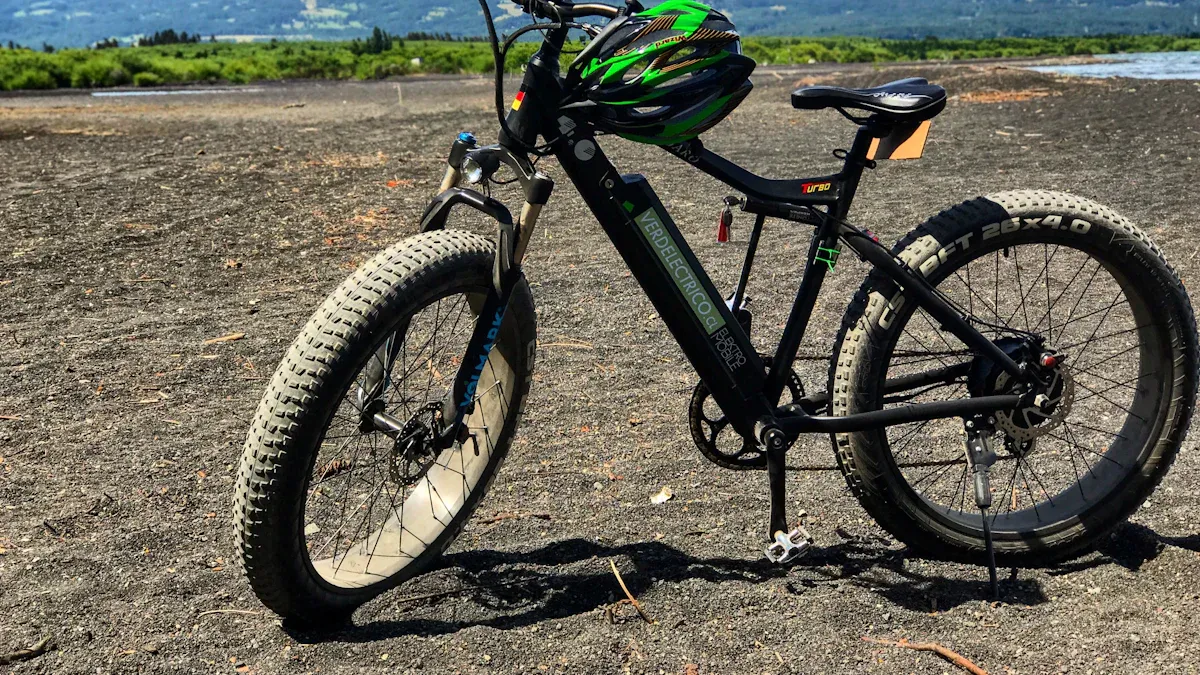
You can find the perfect fatbike by taking a close look at your riding style and the terrain. Frame size, tire width, air pressure, and suspension play a major role in comfort and control.
Tip: Think about how and where you want to ride. This will help you make the best choice step by step for your new adventure on two wheels.
Key takeaways
Choose your fatbike according to your riding style and the terrain you usually ride on to ensure comfort and safety.
Pay attention to the right frame size and the appropriate material so that your fatbike fits you well and provides long-lasting enjoyment.
Wide tires from 4 inches and the correct air pressure provide good grip and riding comfort on sand, snow, and muddy trails.
Decide between an e-fatbike and a classic model based on your need for support, weight, and maintenance requirements.
Test various models on a test ride and maintain your fatbike regularly to ensure you are safe and having fun on your rides.
Riding Style & Terrain
Determine your riding style
You should first determine your own riding style. Consider whether you prefer long tours, are looking for off-road adventures, or would like to use the fatbike in everyday life.
Touring riders value comfort and endurance. They often ride long distances, sometimes with luggage.
Adventure seekers look for challenges off-road. They ride over roots, rocks, and steep slopes.
Everyday riders use the fatbike for commuting to work or running errands. They need a reliable and practical bike.
Each riding style places different demands on the bicycle. For extreme off-road trails, for example, you need good suspension. A fatbike suspension fork helps you absorb shocks and maintain control. In everyday life, comfort and versatility are what count most. The wide tires ensure a pleasant ride, even on asphalt.
Tip: Write down how often and where you want to ride. This will make it easier to find out which riding style suits you.
Analyze the terrain
The terrain on which you want to ride strongly influences your choice of fatbike. Fatbikes are particularly suitable for difficult surfaces such as sand, snow, mud, or loose forest ground. The wide tires offer you plenty of grip and stability. They prevent you from sinking into sand or snow. You are also less likely to slip on muddy trails.
Terrain |
Typical challenges |
Advantages of the fatbike |
|---|---|---|
Sandy beach |
Sinking, little grip |
Wide tires prevent sinking |
Snow |
Risk of slipping, deep ground |
Good traction, stays on top of the snow |
Mud |
Slipping, deep ruts |
Tires grip even in wet and muddy conditions |
Forest/rocks |
Roots, rocks, uneven ground |
Damping, control, comfort |
Asphalt |
Low resistance, smooth surface |
Comfortable, but less efficient |
The material of the fatbike must be robust. The tires wear out faster on rough terrain. You should therefore check the condition of the tires regularly. A sturdy bike withstands shocks and vibrations better and ensures safety.
Use cases
You can use a fatbike in many situations. It is suitable for off-road adventures, but also for everyday use.
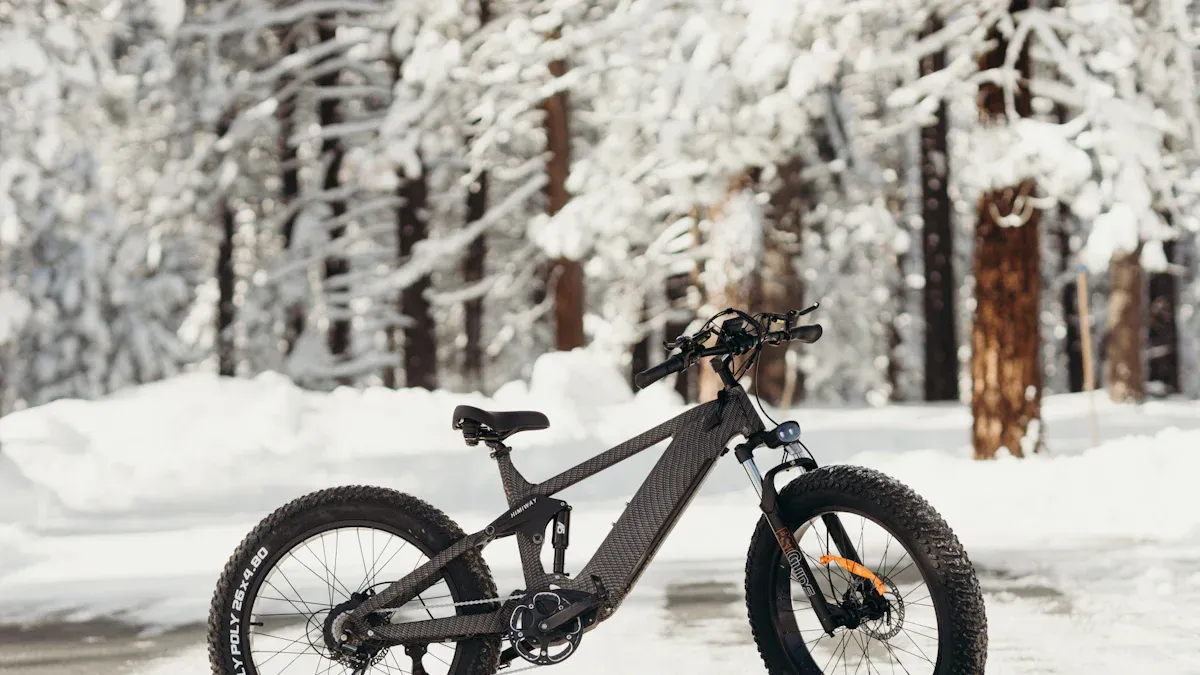
In winter, you can ride safely over snow-covered paths.
At the beach, you enjoy rides without getting stuck in the sand.
In the forest, you master roots and rocks with ease.
In the city, you benefit from comfort and eye-catching design.
Fatbikes offer you many advantages:
You always have good traction and suspension, whether on snow, mud, or sand.
The fatbike remains stable and safe even in difficult conditions.
Note: Consider which terrain you ride on most often. This will help you find the right model and enjoy your fatbike for a long time.
Fatbike types
E-fatbike vs. classic
You face a choice: Should it be an e-fatbike or a classic fatbike? Both types offer you special advantages, but also some differences.
An e-fatbike has an electric motor and a battery. This makes it easier for you to ride on steep paths or in deep sand. The electric assistance helps you master longer distances and overcome difficult terrain. E-fatbikes often weigh over 30 kg because the motor and battery add extra weight. The range depends on the battery; modern models cover many kilometers with around 600 Wh. However, you also have to maintain the electrical parts regularly.
A classic fatbike does not require a motor. It is lighter and easier to maintain. You have less weight, making it easier to transport the bike. The range depends solely on your own strength. For athletic riders who enjoy riding without assistance, the classic model is often the better choice.
Tip: Think about how much support you need and how often you ride off-road.
Pros and cons
Here you will find an overview of the most important pros and cons of both types:
Type |
Advantages |
Disadvantages |
|---|---|---|
E-fatbike |
- Electric assistance |
- Heavy weight |
Classic |
- Low weight |
- No motor assistance |
Many users benefit especially from the e-fatbike. If you often ride on snow, sand, or muddy paths, the motor helps you. Less athletic or older riders also enjoy the assistance. You can ride with friends or family, even if you have different fitness levels.
The classic fatbike is suitable for you if you value low weight, simple maintenance, and athletic riding.
Note: Choose the model that suits your riding style and goals. This will ensure you enjoy your fatbike for a long time.
Frame & Size
Frame size
The right frame size is crucial for comfort and safety. You can determine the optimal size with a simple method. Measure your inseam by standing barefoot against a wall and sliding a book between your legs. Measure the distance from the floor to the top edge of the book. Then select the bike type and calculate the frame size with the appropriate formula:
Full-suspension mountain bike: inseam x 0.225 (inches)
Trekking, cross, and city bike: inseam x 0.66 (cm) or x 0.259 (inches)
If your result lies between two sizes, decide based on your riding style:
Athletic riders often choose the smaller frame size for more agility.
Touring riders prefer the larger frame size for more stability.
Tip: For suspension seat posts, subtract about 3 cm from the calculated frame size.
Experts recommend testing different frame sizes. A frame that is too small leads to an uncomfortable sitting position. A frame that is too large makes control more difficult. Even a difference of a few millimeters can significantly change the riding feel.
Wheel size
The wheel size influences the handling of your fatbike. Most models have 26-inch wheels. This size offers a good balance of agility and stability. Larger wheels, like 27.5 or 29 inches, roll over obstacles more easily and provide more smoothness. Smaller wheels make the bike more agile and are suitable for tight trails.
Note: For fatbikes with 29-inch tires, many manufacturers recommend a smaller frame so that you maintain control.
Material
The material of the frame determines weight, comfort, and price. You will find three main materials: steel, aluminum, and carbon.
Material |
Weight |
Stiffness & Comfort |
Price |
Field of application |
|---|---|---|---|---|
Steel |
Heavy |
Elastic, comfortable |
Affordable |
Everyday, touring |
Aluminum |
Light |
Stiff, less comfortable |
Medium |
Trail, off-road |
Carbon |
Very light |
Very stiff, high performance |
Expensive |
Sports, demanding trails |
Steel frames are robust and durable. They offer a lot of comfort, but are heavier.
Aluminum frames are lighter and corrosion-resistant. They are suitable for trails and extreme conditions.
Carbon frames are the lightest and offer maximum performance. They are ideal for athletic riders but are delicate and expensive.
Tip: Choose the material according to your field of application and budget. For everyday use, a steel or aluminum frame is often sufficient. For athletic adventures, carbon is worth the investment.
Components
Tire width
The tire width plays a major role in your riding experience. Fatbikes usually have tires at least 4 inches wide, sometimes up to 5 inches. These wide tires offer a very large contact area with the ground. This gives you more grip and safety, especially on snow, sand, or muddy paths. Wider tires prevent you from sinking and ensure a smooth ride. They absorb shocks from roots and rocks. You feel the difference less on hard, dry paths, but you benefit significantly off-road. A table shows how traction increases with tire width:
Tire width |
Traction strength (1–10) |
|---|---|
2 inches |
4 |
4 inches |
9 |
5 inches |
10 |
Tip: Tires 4 inches and wider are ideal for snow, sand, and forest paths.
Air pressure
The air pressure in the tire affects how your fatbike rides. Lower air pressure increases the contact surface. This gives you more grip on soft ground. A value of 0.5 to 1.5 bar is typical for fatbikes. Even small changes make a big difference. Too much pressure can damage the rim and makes riding unsafe. For e-bikes, slightly more pressure is recommended because they are heavier. Test different values to find the best riding feel.
Start with 1.4 to 1.8 bar and slowly work your way down.
Lower the pressure for more grip off-road.
Increase the pressure slightly for fast rides.
Check the air pressure regularly, as temperature and altitude affect it.
Suspension
For fatbikes, you can choose between a rigid fork and a suspension fork. Rigid forks are light and affordable. They are suitable for roads and easy paths. Suspension forks are heavier, but they make riding off-road more pleasant. They absorb shocks and give you more control on uneven trails. If you are often off-road, a suspension fork is worth it. For everyday use, a rigid fork is usually sufficient.
Brakes & Drivetrain
For challenging terrain, you need reliable brakes. Hydraulic disc brakes are the best choice here. They offer strong braking power and function reliably even in wet and muddy conditions. Mechanical brakes or rim brakes are less effective. There are various systems for the drivetrain. Derailleur gears are widespread and offer many gears, but require more maintenance. Internal gear hubs and bottom bracket gearboxes are lower-maintenance and more robust. For long tours or plenty of off-road riding, robust drivetrains like Shimano MTB groupsets are ideal. They shift precisely and hold up well under heavy loads.
Be sure to check your brakes and drivetrain regularly so that you are always safe on the road.
Test Ride & Maintenance
Test Ride
A test ride helps you get the right feel for your new fatbike. You should test several models and pay attention to important points.
Here you will find a practical checklist for your test ride:
Safety Equipment: Wear a helmet, gloves, and weatherproof clothing.
Technical Check: Check the brakes, tire pressure, and battery. Test that everything is working.
Handling: Ride on straight paths, through corners, and on uneven surfaces.
Motor and Drivetrain: Try out different assist levels and all the gears.
Comfort: Pay attention to saddle height, handlebar position, and grip feel.
Noises: Listen to see if the motor or tires are making any unusual noises.
Ask Questions: Talk to the dealer about adjustments or alternatives.
Tip: Make an appointment at the dealership so you can test multiple models.
Choosing a Brand
Choosing the right brand determines quality and riding enjoyment. Pay attention to these criteria:
Build Quality: A stable fatbike can withstand high loads.
Brakes: Front and rear disc brakes ensure safety.
Gears: Many gears offer you flexibility for various routes.
Frame Size: Choose the appropriate size for your height.
Load Capacity: Check how much weight the bike can carry.
Suspension: A good suspension fork increases comfort.
Handling: The bike should be easy to steer and control.
Motor Power: For e-fatbikes, motor strength is important, especially for road use.
Tire Width: Wide tires give you more traction and safety.
A table helps you compare:
Criterion |
Why it's important? |
|---|---|
Build quality |
Durability and safety |
Disc brakes |
Reliable braking power |
Many gears |
Adaptation to terrain and everyday use |
Correct size |
Comfort and control |
Suspension |
Ride comfort on uneven terrain |
Wide tires |
More grip and stability |
Maintenance & Accessories
Regular maintenance keeps your fatbike in top shape. You should perform the following maintenance tasks:
Check tire pressure and adjust it.
Clean and oil the chain and belt.
Maintain the suspension with special oil.
After riding in mud or snow, clean the bike with lukewarm water.
Check bolts, bearings, and brakes, and tighten them if necessary.
Charge and store e-bike batteries correctly.
For more enjoyment and safety, useful accessories are recommended:
Multitool, mini-pump, and spare tube for repairs on the go.
Knee and elbow pads, helmet, and safety goggles for extra protection.
Lighting system, lock, and luggage rack for everyday use.
Chain cleaner, bicycle shampoo, and lubricants for maintenance.
Note: A small maintenance kit should always be part of your gear. This way, you are prepared for every tour.
You will find the perfect fatbike if you proceed step by step. Choose a model that suits your riding style and terrain. Pay attention to the correct frame size and the right material. Adjust the tire pressure according to the conditions. Test various models during a test ride. Exchange tips with other riders. With regular maintenance and the joy of riding, you will enjoy every adventure on your fatbike.
FAQ
How often should you check the tire pressure on a fatbike?
You should check the tire pressure before every ride. Pressure changes quickly, especially with fluctuating temperatures. A value that is too low or too high affects the riding experience and safety.
Can you also use a fatbike for everyday use?
Yes, you can ride a fatbike for everyday use. The wide tires offer comfort and safety on roads and paths. For the city, a model with lights and mudguards is recommended.
How heavy is a fatbike on average?
A classic fatbike usually weighs between 15 and 18 kilograms. E-fatbikes are heavier and often weigh between 25 and 35 kilograms. The weight depends on the frame and the components.
What care does a fatbike need after riding in mud?
Tip: Rinse the fatbike with lukewarm water. Dry it off well afterward. Oil the chain and check the brakes. This will keep your bike ready for use for a long time.