
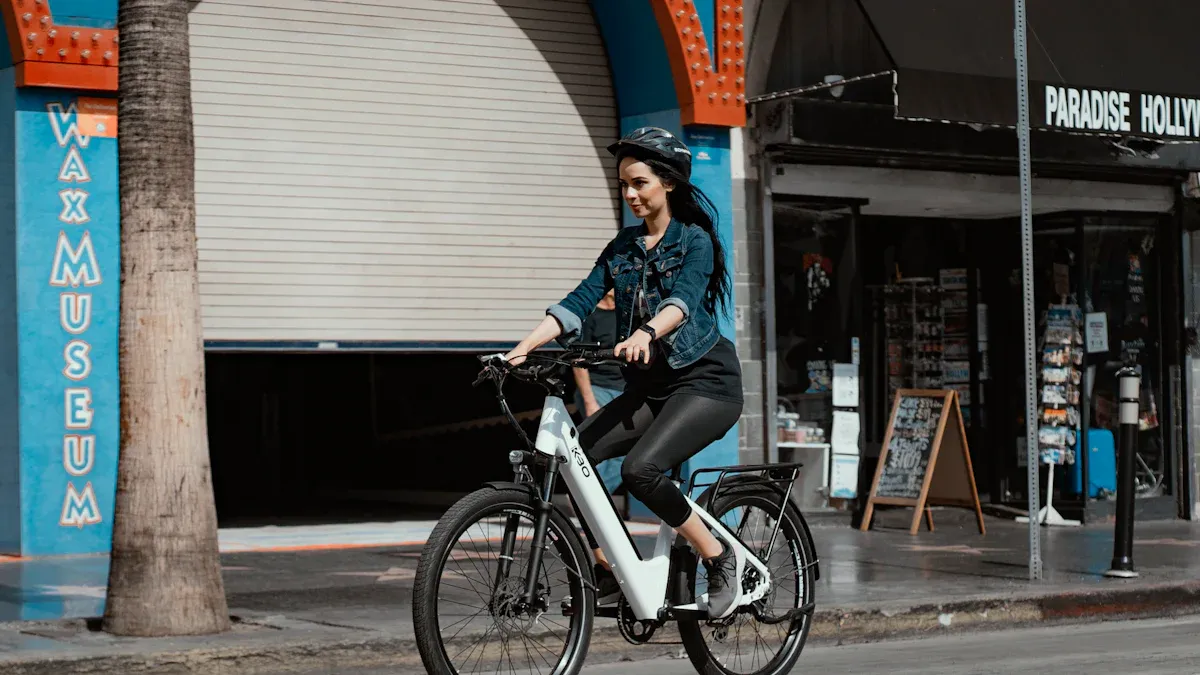
Are you wondering which drive system is better for your daily urban commute – the classic chain drive or the modern belt drive? The answer depends on your priorities. Do you want less maintenance? Then an e-bike belt drive might be the right choice. The belt lasts longer, barely stretches, and requires less frequent retensioning. However, the initial purchase costs are higher, which critics often point out. In return, the belt impresses with better efficiency and smooth operation under higher loads. So, it comes down to what matters more to you: longevity, comfort, or budget?
Key Takeaways
A belt drive requires less maintenance than a chain drive. It stays clean and runs quietly. This saves time and effort.
Belt drives last longer. They often perform for twice as long as chains. This saves money on replacement parts.
Belt drives cost more to purchase. However, they save money later due to fewer repairs.
For short distances, a chain drive is more affordable. For long distances, a belt drive is more comfortable and reliable.
A belt drive is better for the environment. It requires no oil and is replaced less often.
Maintenance and Care
Maintenance Intensity: Belt Drive vs. Chain Drive
If you are looking for a bicycle that requires little maintenance, the belt drive might be just right for you. Unlike a chain drive, which needs regular lubrication and cleaning, the belt drive is virtually maintenance-free. A simple garden hose is often enough to keep it clean. This saves you not only time but also stress.
"After 3 years and 20,000 km with a belt drive, I can say that the maintenance effort is significantly reduced. Compared to a chain, which must be serviced and replaced every 10,000 km, the belt drive only needs to be cleaned with a garden hose every few months."
Trier University of Applied Sciences even studied the efficiency of bicycle drive systems. It showed that the belt drive is a reliable and low-maintenance option under real-world conditions. Especially for urban commuters who don't want oily hands, this is a major advantage.
Wear and Replacement Intervals
Wear is another area where the belt drive shines. While a bicycle chain needs to be replaced after about 10,000 kilometers, a belt drive often lasts twice as long. This means you have to spend less time and money on spare parts.
Another benefit: the belt hardly stretches. This means you don't have to constantly retension it as you would a chain. Especially if you use your bike every day, you will notice this difference quickly. The belt drive remains quiet and efficient without you having to constantly tinker with it.
Of course, the chain drive has its advantages, too. At lower pedaling power, it shows slightly higher efficiency. However, in practice, this difference is barely noticeable to most cyclists. So, if you value longevity and less maintenance, the belt drive is the better choice.
Costs
Purchase Costs of E-Bikes with Belt Drive vs. Chain Drive
If you want to buy an e-bike with a belt drive, you should expect higher purchase costs. This is mainly due to the special materials, such as carbon fibers, used to manufacture the belt. These materials make the belt more durable, but also more expensive.
A belt typically costs from 50 euros, while you can get a chain for under 10 euros.
However, you must consider that chains need to be replaced more frequently. This means additional costs for spare parts and maintenance.
In the long run, the belt drive can be the better choice when you factor in the follow-up costs. Especially for urban commuters who use their bikes daily, the investment in an e-bike belt drive pays off. It saves you not only time but also money in the long term.
Maintenance and Repair Costs Compared
Maintenance costs are another important factor you should consider. A chain drive requires regular care. You have to lubricate, clean, and retension the chain to extend its lifespan. This can become expensive and time-consuming in the long run.
A belt drive, on the other hand, is virtually maintenance-free. You don't need lubricants and don't have to worry about rust. A simple spray of water is often enough to keep the belt clean.
Tip: If you don't like getting oily hands, the belt drive is the better choice.
The belt drive also scores points when it comes to repairs. Since it shows less wear, you need to replace it less often. This saves you not only money but also the hassle of constantly sourcing spare parts.
In summary: the chain drive is cheaper to purchase but more expensive to maintain. The belt drive costs more initially but pays for itself through lower follow-up costs.
Riding Comfort
Noise Level and Smoothness
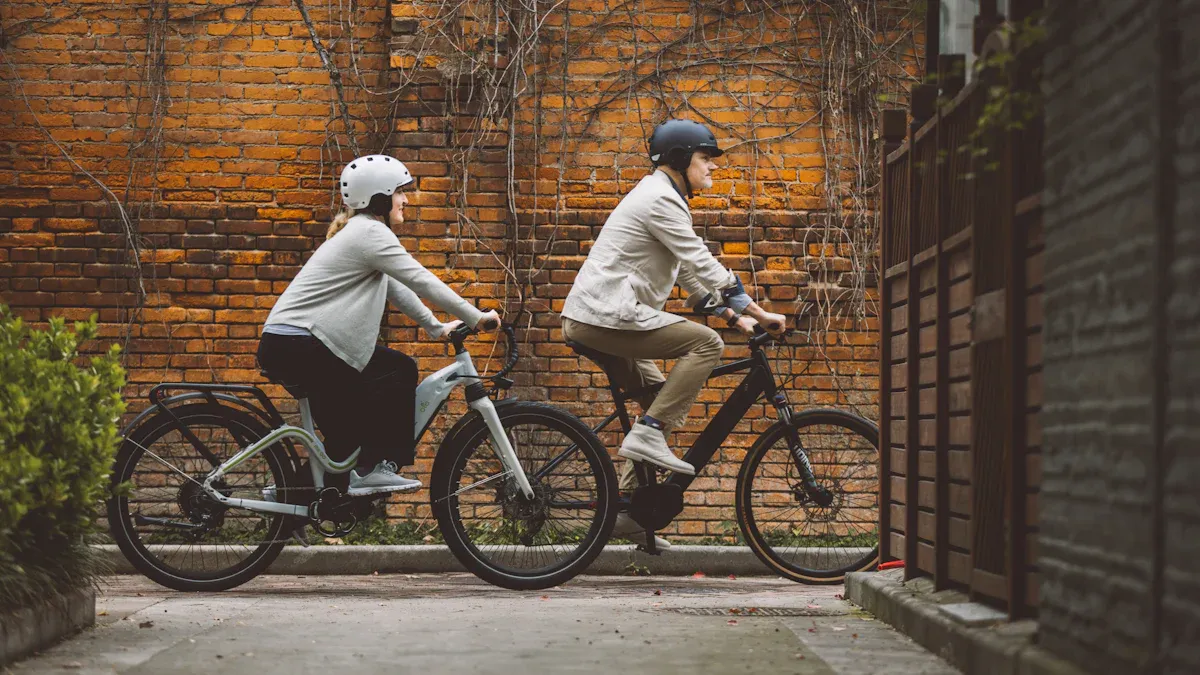
Have you ever been annoyed by the rattling or noise of your bike? With a belt drive, that is a thing of the past. The belt runs almost silently, even at high speeds. This makes it ideal for urban commuters who want to glide through the streets in peace.
A chain drive, conversely, can become louder over time. Dirt, rust, or a poorly lubricated chain often lead to annoying noises. This can be particularly noticeable and unpleasant in quiet residential areas or during night rides.
Tip: If you value a quiet and relaxed ride, an e-bike belt drive is the perfect choice. It ensures a pleasant riding experience without any annoying background noise.
Riding Feel and Efficiency
The riding feel is a crucial factor when you use your bike every day. A belt drive offers you a smooth and consistent ride. Since the belt does not stretch, power transmission remains constant. You will notice how efficiently your energy is converted into propulsion.
A chain drive can also be efficient initially. However, the chain wears out over time, which impairs performance. Furthermore, it requires regular maintenance to function smoothly.
Another advantage of the belt drive is its weather resistance. Rain, snow, or dirt have little influence on performance. This means you can rely on your bike, regardless of the weather.
So, if you are looking for a bike that is not only quiet but also efficient and reliable, you should consider the belt drive. It is an excellent choice, especially for daily city use.
Longevity and Reliability
Lifespan of Belt Drives and Chain Drives
If you are looking for a bike that will stay loyal to you for a long time, you should take a close look at the lifespan of the drive system. Belt drives have a clear advantage here. Under the same level of stress, they last two to three times as long as conventional bicycle chains. This means you have to buy and replace spare parts less often.
Why is that? The belt is made of robust materials like carbon fibers, which are not only durable but also resistant to wear. In contrast, chains wear out faster due to friction and dirt. Especially during daily use in the city, you will notice the difference.
Tip: If you want to save money and time in the long term, an e-bike belt drive is a smart choice. It offers you not only a longer lifespan but also less maintenance effort.
Robustness Under Various Conditions
Another advantage of the belt drive is its robustness. Whether it's rain, snow, or dirt – the belt remains reliable. It does not rust and does not lose performance even under extreme weather conditions. This makes it ideal for commuters who are out and about in all kinds of weather.
Chains, on the other hand, are more susceptible. Moisture can cause rust, and dirt impairs efficiency. You have to clean and lubricate them regularly to keep them in good condition. This can be tedious over time.
-
Advantages of the belt drive:
Rustproof and weather-resistant
Less susceptible to dirt
Constant performance under all conditions
If you are looking for a reliable bike for everyday use, the belt drive is the better choice. It remains quiet, efficient, and robust – no matter what the weather brings.
Environmental Friendliness

Sustainability of Materials in Belt and Chain Drives
Have you ever thought about how sustainable the materials of your bike's drive system are? Belt drives often use carbon fibers. These are extremely durable and rarely need replacing. This means less resource consumption over the lifetime of your bicycle.
Chains, on the other hand, are usually made of steel. While steel is recyclable, its production is energy-intensive. Furthermore, chains wear out faster, leading to more frequent replacements. This impacts the environment through additional material consumption.
Tip: If sustainability is important to you, consider a belt drive. Its long lifespan makes it a more environmentally friendly choice.
Another advantage of the belt: it requires no lubricants. Chains, by contrast, need regular oil or grease, which is often produced from fossil raw materials. This is not only less sustainable but can also pollute the environment if disposed of improperly.
Environmental Impact of Production and Disposal
While the production of a belt drive is more complex, the environmental impact remains low due to its long lifespan. You replace it less often, which means less waste. Additionally, many belts are made of materials that do not release toxic substances.
Chains, conversely, cause more waste. They must be replaced more frequently, and lubricants can harm the environment. Especially when disposing of old chains and oil-soaked rags, additional waste is created.
Drive System |
Production |
Disposal |
|---|---|---|
Belt Drive |
Less energy-intensive |
Less waste |
Chain Drive |
Energy-intensive |
Frequent replacement needed |
If you are looking for a bike that is not only practical but also eco-friendly, you should choose a belt drive. It saves resources and reduces environmental impact – a win for you and nature!
Who Is Each Drive System Suitable For?
Recommendations for Short and Long Commutes
Do you commute to work or school daily? Then the length of your route plays a major role in choosing the right drive. For short commutes where you might only cover a few kilometers, a chain drive is a solid choice. It is affordable and offers good efficiency, especially at lower speeds.
However, if you cover longer distances, you should consider a belt drive. Why? The belt is more durable and requires less maintenance. You don't have to worry about it snapping on the road or being impaired by dirt. Furthermore, it remains quiet and efficient, even if you ride many kilometers every day.
Tip: For short distances, the chain drive is a cost-effective option. For longer commutes, the belt drive offers more reliability and comfort.
Budget and Comfort Considerations
Your budget plays a decisive role in choosing your drive system. If you have a limited budget, the chain drive might be the better choice. Purchase costs are lower, and you can easily find spare parts. However, keep in mind that maintenance costs can rise over time.
The belt drive is more expensive to purchase, but it saves you money in the long term. You need to service and replace it less often. That means fewer follow-up costs and less time spent. If you value comfort, the belt drive is unbeatable. It runs quietly, stays clean, and works reliably in any weather.
If you are willing to invest a little more, an e-bike belt drive offers you a more comfortable and stress-free riding experience.
Personal Preferences and Lifestyle
Ultimately, the choice of drive also depends on your lifestyle. Are you someone who likes to get hands-on and maintain your bike regularly? Then the chain drive might suit you well. It is easy to repair and requires regular care, which is an advantage for many cycling enthusiasts.
However, if you are looking for a bike that just works without you having to constantly worry about it, the belt drive is ideal. It fits perfectly into a hectic lifestyle where you have no time for extensive maintenance.
Consider what is more important to you: the joy of tinkering or the convenience of a maintenance-free drive. Your lifestyle determines which drive system suits you best.
The choice between a belt and chain drive depends on your priorities. Both systems have their strengths, but for urban commuters, the belt drive often offers more advantages.
The belt drive impresses with its long lifespan and low maintenance. Especially at power levels over 200 watts, it shows higher efficiency.
The chain scores with lower purchase costs and easier repairs but is more maintenance-intensive.
If you are looking for a bike that is quiet, durable, and low-maintenance, an e-bike belt drive could be the perfect choice for you. It is particularly suitable for longer commutes and a stress-free everyday life. Nevertheless, you should consider your individual needs. Whether you value budget, comfort, or flexibility – the decision is yours!
FAQ
What is the biggest advantage of a belt drive?
The belt drive is virtually maintenance-free. You don't have to lubricate or clean it like a chain. It also lasts longer and runs quietly. This is a huge advantage, especially for commuters who want to save time.
Can I replace a belt drive myself?
No, it's not as simple as with a chain. Your bike frame must be specifically designed for a belt drive. If you are planning a replacement, you should visit a specialist dealer.
Is a belt drive suitable for all weather?
Yes, absolutely! The belt drive is weather-resistant. Rain, snow, or dirt barely affect its performance. It does not rust and remains reliable even under extreme conditions. Perfect for commuters who ride in all weather.
Why are bicycles with belt drives more expensive?
Manufacturing a belt drive is more complex. High-quality materials like carbon fiber make it durable, but also more expensive. In the long run, however, you save money through lower maintenance and replacement costs.
Can I convert my old bicycle to a belt drive?
That is difficult. Your bicycle frame must be specifically built for a belt drive, as the belt cannot be opened. A conversion is often not possible or very expensive.