
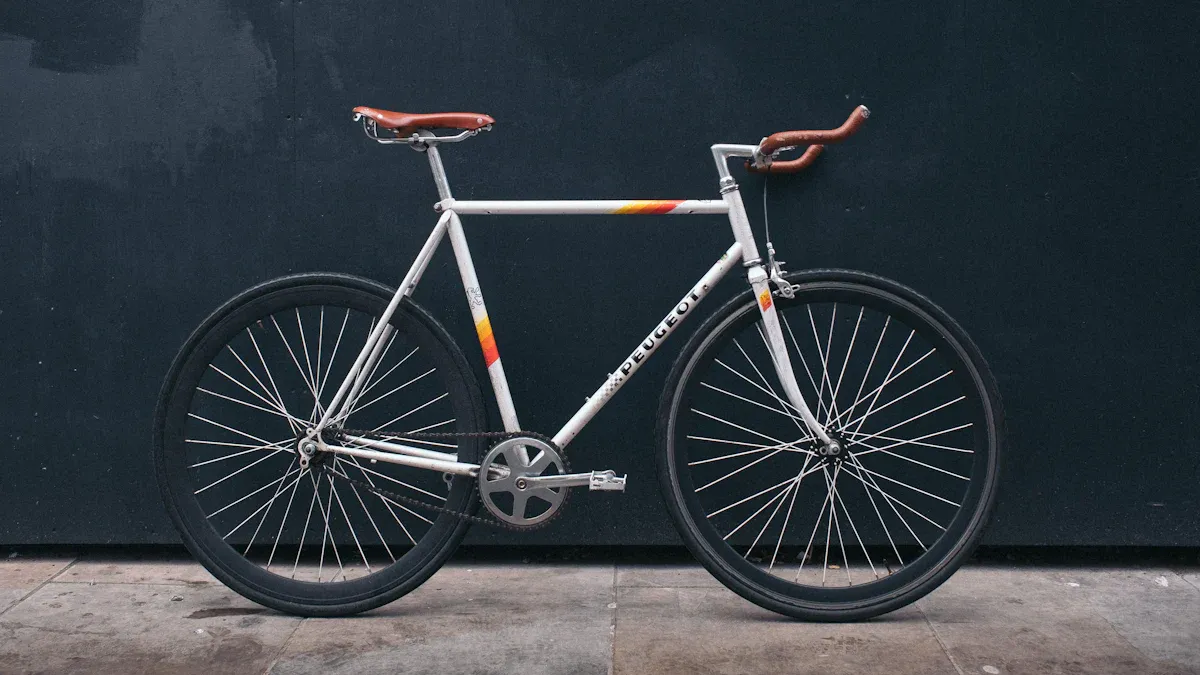
Do you want a fast and simple way to get to work or ride into town? Then you should know which bike better suits your everyday life. A 1-speed bike is particularly suitable if you ride on flat routes and want to spend little time on maintenance. If you value flexibility and comfort on inclines and changing terrain, you will benefit more from a multi-speed bike. Consider how much maintenance, cost, and adaptability are important to you.
Key Takeaways
1-speed bikes are lightweight, low-maintenance, and ideal for flat, short urban routes.
Multi-speed bikes offer flexibility and comfort on hills, in headwinds, and on varied terrain.
Maintenance and price are lower for 1-speed bikes, while multi-speed bikes require more care.
The choice depends on your riding profile: minimal effort and simplicity versus versatility and comfort.
Use the checklist to clarify your needs and find the right bike for your daily routine.
1-Speed Bike vs. Multi-Speed Bike

What is a 1-speed bike?
Are you looking for a bike that just works and requires little maintenance? Then a 1-speed bike is of interest to you. This bike has only one gear. You won't find a derailleur or complicated mechanisms. This makes the bike particularly lightweight and robust. Many single-speed bikes, also known as fixies, have a freewheel mechanism, so you can coast without constantly pedaling. The technology remains straightforward, saving you time and money on maintenance.
A 1-speed bike often features a high flywheel mass, usually at at least 16 kg. This makes the ride feel natural and easy on the joints. With a higher flywheel mass of up to 22 kg, you achieve a particularly smooth rotation and can pedal quickly. The brakes are manually adjustable. You will often find friction or magnetic brakes that regulate pedaling resistance, ensuring a safe ride in city traffic.
What is a multi-speed bike?
Do you want to react flexibly to different routes? Then a multi-speed bike is right for you. This bike has several gears, allowing you to adjust the gear ratio on inclines or when riding into a headwind. The shifting system is more complex than a single-speed's. There are various shifting mechanisms that allow you to switch between gears. Multi-speed bikes are usually slightly heavier because they have more components.
With a multi-speed bike, you can master not just flat routes but hilly terrain as well. You benefit from more comfort and control. This bike shines on longer rides or in changing conditions. Maintenance is more intensive because there are more moving parts. In return, you get a versatile bike that adapts to many situations.
Feature |
Single-Speed Bikes |
Multi-Speed Bikes |
|---|---|---|
Number of gears |
Only one gear, no shifting options |
Multiple gears, shifting mechanisms included |
Shifting mechanism |
No shifting, usually a freewheel mechanism |
Complex shifting systems for gear changes |
Weight |
Lighter due to minimalist construction |
Tend to be heavier due to extra components |
Maintenance |
Low-maintenance, fewer moving parts |
More intensive due to complex shifting systems |
Brakes |
Standard brakes (rim or disc brakes) |
Standard brakes, often with additional features |
Use case |
Especially suitable for city traffic and flat terrain |
Versatile, also suitable for mountainous terrain and varying riding conditions |
Ride feel |
Purist, minimalist, lighter |
More flexible, more comfortable due to gear variety |
Advantages of a 1-Speed Bike
Simplicity
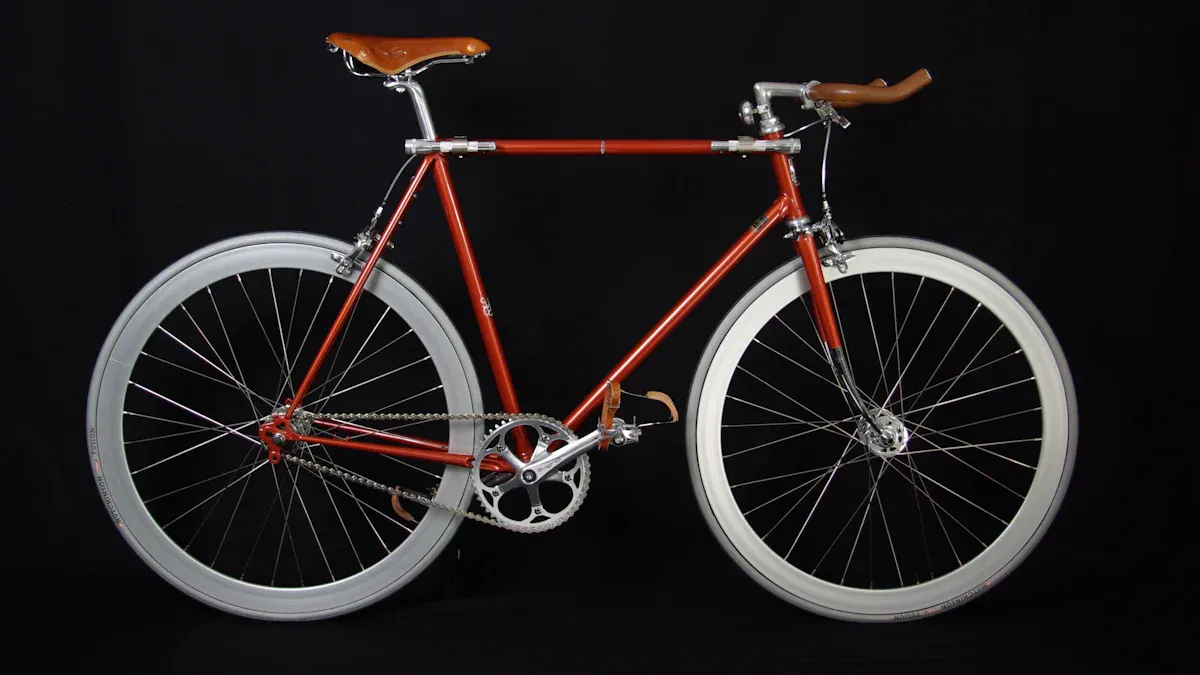
Do you want a bike that doesn't overwhelm you with complicated technology? A 1-speed bike offers exactly that. You get just one gear and no shifting, making it incredibly easy to operate. You hop on, start pedaling, and go. There are no gears to shift or settings to adjust. The purist design ensures a clean riding experience. Many users appreciate this simplicity in busy city traffic.
Low Maintenance
With a 1-speed bike, you save time and effort on upkeep. Its robust design means less maintenance than other bicycles. You don't have to clean or adjust a derailleur. Care is limited to a few simple steps:
Regularly oil the felt brake to keep it quiet and ensure it lasts.
Wipe down the surface after training to prevent corrosion from sweat.
Check and tighten screw connections monthly.
High-quality, sealed bearings reduce wear and extend lifespan.
Special maintenance sprays for the flywheel and hub help keep everything clean and protected.
Tip: Some manufacturers offer tailored care products that make maintenance even easier.
Weight & Price
A 1-speed bike is often lighter than a multi-speed bicycle. The low weight makes the bike agile and easy to transport. You can easily carry it into your apartment or store it at the office. The price is usually lower than that of multi-speed bikes. You save money on both the initial purchase and maintenance. Fewer parts mean lower costs for replacements and repairs.
Ride Feel
With a 1-speed bike, you experience a direct and sporty ride. The bike reacts quickly to your movements. You can feel the road and have full control. The minimalist design ensures a smooth and pleasant ride. Especially on flat, urban routes, you will enjoy the agility and simple handling. Many commuters appreciate this purist experience in their daily lives.
Advantages of a Multi-Speed Bike
Flexibility
With a multi-speed bike, you adapt quickly to different situations. Simply shift to a higher gear when you want to ride faster. On inclines or into a headwind, choose a lighter gear. This allows you to stay in the optimal cadence range, making riding less strenuous. You can also react flexibly to changing weather or different road conditions.
Tip: Use the gears to save your strength. Shift in good time before you reach a hill so you can remain relaxed and catch your breath.
Comfort & Control
A multi-speed bike offers more comfort on long rides. You will always find the right gear ratio for your speed and comfort level. The bike rides more smoothly because you don't constantly have to pedal with excessive force. You will feel the difference, especially on inclines or in stop-and-go traffic. The shifting system helps you maintain better control over your pace.
Many multi-speed bikes feature ergonomic grips and saddles, which provide a comfortable seating position. You can ride longer distances without your back or legs hurting. Better control provides added safety in dense city traffic.
Versatility
With a multi-speed bike, you are prepared for almost any route. You can ride comfortably through the city, over bridges, or up small hills. The bike is suitable for quick trips to the store as well as longer commutes to work. You remain mobile even in bad weather or on uneven roads.
Use the bike for various purposes: shopping, leisure, commuting.
Easily transport luggage or groceries because you can adjust your gears accordingly.
You remain independent of your city's topography.
Note: A multi-speed bike is particularly worth it if you frequently change your routes or don't always stick to the same path, keeping your commute flexible and comfortable.
Who is it for?
1-Speed Bike in Daily Life
Do you frequently ride short or medium distances in the city? Then a 1-speed bike fits your daily life well. This bike is especially suitable if you ride on flat paths and don't have to tackle steep inclines. You benefit from simple technology and don't have to worry about shifting gears. Maintenance remains manageable because there are fewer moving parts. Many people choose a 1-speed bike because they value a lightweight and agile ride that is easy to carry indoors or store at the office.
Tip: If you rarely ride in the rain and don't transport heavy loads, a minimalist model is often sufficient. Ensure the frame size is right so you sit comfortably and ride safely.
A few additional criteria will help you decide:
You mainly use the bike for city traffic.
You want to spend little time on care and maintenance.
You prefer a purist ride feel without many extras.
You mostly ride on asphalt and don't need wide tires.
Multi-Speed Bike in Daily Life
Do you have a longer commute or live in a city with many hills? Then a multi-speed bike offers more comfort and flexibility. With multiple gears, you can adjust the ratio for inclines, headwinds, or changing road conditions. You can pedal more easily going uphill and ride faster when the path is clear. Many commuters appreciate the versatility and higher riding comfort.
A multi-speed bike is for you if you:
Ride different route profiles, for example, over bridges or through parks.
Value a comfortable seating position and ergonomic grips.
Also ride in bad weather and want to use accessories like fenders or luggage racks.
Need more traction from wider tires, for example, on cobblestones or wet roads.
Note: Experts recommend paying attention to the quality of the shifting system and brakes. Disc brakes often offer more safety in wet conditions. The frame material affects the weight and durability of your bike.
The choice between a 1-speed bike and a multi-speed bike depends heavily on your individual needs. Think about how often you use the bike, what routes you ride, and how much comfort you desire. This will help you find the perfect model for your everyday life.
Decision Aid
Checklist
Do you want to find the right bike for your daily routine? This checklist will help. It highlights the most important points you should consider before buying. Take a moment to go through these questions to quickly find out if a 1-speed bike or a multi-speed bike is better for you.
1. Route
Do you mostly ride short or medium distances?
Do you stay on flat roads, or are there many hills?
2. Budget
How much money do you want to spend on your bike?
Are you also planning for maintenance and spare parts costs?
3. Maintenance Willingness
Do you enjoy taking regular care of your bike?
Would you prefer a bike that requires little maintenance?
4. Comfort Preference
Is a sporty, direct ride feel important to you?
Do you value comfort, for example, on longer rides?
5. Terrain Profile
Do you only ride on asphalt or also on uneven paths?
Are there many inclines or changing conditions in your city?
Tip: Write your answers on a piece of paper to quickly see what matters most to you.
Reflect on your needs:
Consider how often you use the bike.
Think about your daily route.
Ask yourself how much comfort you really need.
If you answer most of the questions regarding route, maintenance, and price with "simple" or "little," a 1-speed bike is a good fit for you. If you want more flexibility and comfort, choose a multi-speed bike.
Ultimately, what matters is that you feel comfortable and safe on your bike.
You now know the most important differences. A 1-speed bike is right for you if you prefer short, flat routes and want minimal maintenance. If you choose a multi-speed bike, you benefit from more comfort and flexibility in varied terrain. Use the checklist to examine your needs, and you will find the bike that best suits your daily routine.
FAQ
How often should you maintain your bike?
You should check your bike once a month. Inspect the brakes, tighten screws, and oil the chain. This keeps your bike safe and ensures it rides smoothly.
Is a 1-speed bike suitable for beginners?
Yes, you can easily start with a 1-speed bike. Operation is simple; there are no gears to shift. The bike is low-maintenance and straightforward.
Can you also transport heavy loads with a multi-speed bike?
You can move heavy loads more easily with a multi-speed bike. The gears help you pedal with less effort. You remain flexible, even if you are carrying a lot of luggage.
What does a good urban bike cost?
You can find a solid 1-speed bike starting at around 300 euros. A multi-speed bike usually starts at 500 euros. Pay attention to the quality of the frame and brakes.
Which bike is better in the rain?
You are often safer on a multi-speed bike. Wider tires and good brakes give you more grip. Fenders help keep you dry.